Plant Overview
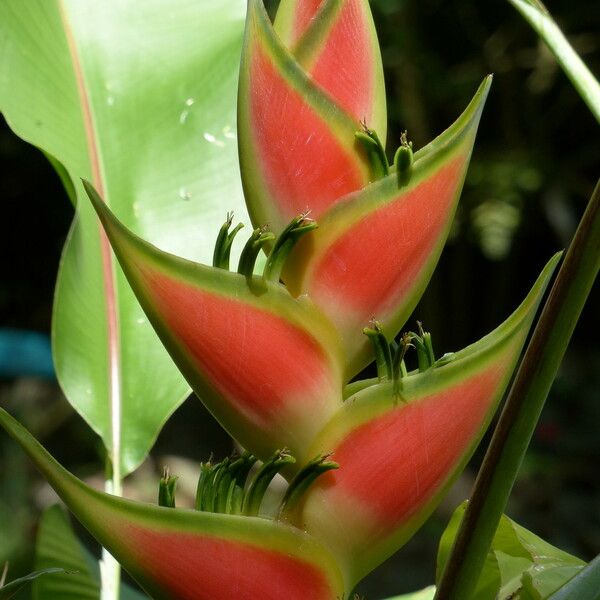
Known as the "Pink Rainbow" or "Easter Heliconia," this tropical showstopper is a masterpiece of natural architecture. Native to the lush rainforests of Central and South America, it is famous for its massive, upright flower spikes that look like they’ve been hand-painted with vibrant watercolors. It is a favorite for those wanting to bring a "Jurassic Park" aesthetic to their garden or home.
🔍 How to Identify
- 🎨 The Bracts: Unlike some Heliconias that hang down, these grow strictly upright. They feature boat-shaped "claws" that are creamy yellow or pale green with striking pink or rose-red "cheeks" and a thin green border.
- 🍃 The Foliage: It sports massive, paddle-shaped leaves that look almost identical to banana leaves. These deep green leaves can grow several feet long and provide a dense, tropical screen.
- 📏 Size and Stature: This is a large-scale plant! In the right conditions, it forms a dense clump that can reach 8 to 15 feet tall, making it a dominant feature in any landscape.
🏡 In Your Garden
- 💧 The Humidity Factor: As a true jungle native, it breathes through moisture. It craves high humidity and will struggle in dry, indoor air unless misted frequently or kept in a greenhouse environment.
- 🌬️ Wind Shelter: Because the leaves are so large and thin, they act like sails. High winds will shred the leaves into ribbons, so it’s best to plant it in a sheltered spot or near a wall to maintain its "perfect" look.
- 🍴 Rich Diet: This plant is a heavy feeder. It requires rich, organic soil and regular fertilization to produce those heavy, colorful bracts. It hates "wet feet" (stagnant water) but loves consistently moist soil.
⚠️ Safety & Toxicity
- 🐾 Pet Safety: Heliconia wagneriana is generally considered non-toxic to cats, dogs, and horses. It is a much safer tropical alternative than many Lilies or Aroids.
- 👄 Mild Irritant: While not poisonous, the sap can occasionally cause mild skin irritation for those with sensitive skin, and ingesting the fibrous leaves may cause minor stomach upset in curious pets or toddlers.
✨ Fun Fact
The deep, cup-like bracts of the Heliconia actually collect rainwater and nectar, creating tiny "micro-ponds" known as phytotelmata. These little pools become home to specialized species of aquatic insects and even tiny tree frogs that spend their entire lives inside the plant!

Detailed Care Instructions
To grow Heliconia wagneriana plant, follow these steps:
- Choose a suitable location: Heliconia wagneriana requires bright indirect light. Select a location with filtered sunlight or partial shade, as direct sunlight may scorch the leaves.
- Prepare the soil: Heliconias prefer well-draining soil. Add compost or organic matter to improve the soil's fertility and drainage. Avoid heavy clay soils.
- Propagation: Heliconia wagneriana can be propagated using rhizomes. Divide an established plant with a sharp, sterile knife, ensuring that each division has several healthy rhizomes and shoots.
- Planting: Dig a hole slightly larger than the rhizome and place it in the hole, ensuring the rhizome is below the soil surface. Cover it with soil and gently press it down. Space multiple plants about 3-5 feet apart.
- Watering: Keep the soil consistently moist, but not waterlogged. Avoid overwatering or letting the soil dry out completely. Water thoroughly and deeply, especially during dry periods.
- Fertilizing: Feed the plants with a balanced slow-release fertilizer every 2-3 months during the growing season. Follow the manufacturer's instructions for application rates.
- Mulching: Apply a layer of organic mulch around the base of the plant to retain moisture, suppress weeds, and provide nutrients as it breaks down.
- Pruning: Remove any dead or damaged leaves to maintain a neat appearance. Trim back any spent flower spikes to encourage new growth.
- Pests and diseases: Monitor the plant for common pests like aphids, mealybugs, or spider mites. Treat infestations promptly with insecticidal soap or neem oil. Ensure good air circulation around the plant to prevent fungal diseases.
- Cold protection: Heliconia wagneriana is not frost-tolerant. If you live in a colder climate, consider growing it in a container that can be moved indoors during winter or providing protection with frost blankets or a greenhouse.
Remember that Heliconia wagneriana is a tropical plant that thrives in warm and humid environments. Providing suitable conditions, regular care, and protection from extreme temperatures will help ensure its healthy growth.

Place in a window with dappled sun or a spot in the middle of a room. Or directly in a window facing west or east.

To water this tropical plant, you should first ensure that the soil is consistently moist but not waterlogged. One way to achieve this is by watering deeply once a week, allowing the water to soak into the soil. Be sure to water at the base of the plant and avoid getting the leaves wet, which can lead to fungal growth.
If the plant is in a container, make sure the container has drainage holes and that excess water can drain away. You can also check the moisture level of the soil by sticking your finger into the soil up to your first knuckle. If the soil feels dry at that depth, it is time to water.
It is important to note that this plant is sensitive to chlorine and fluoride in tap water, so it is best to use filtered or distilled water. Additionally, make sure the plant is not exposed to cold drafts or temperatures below 50°F (10°C), as this can damage the leaves and flowers.
To fertilize the Heliconia Wagneriana plant, mix a well-balanced fertilizer with equal parts nitrogen, phosphorus, and potassium. Apply the fertilizer to the soil around the base of the plant once every two or three months during the growing season, which corresponds with warmer temperatures and increased sunlight. Be sure to follow the package directions for the specific fertilizer you are using, as application rates can vary. Additionally, avoid over-fertilizing the plant, as this can lead to fertilizer burn and other issues.
The ideal soil for Heliconia Wagneriana is well-draining and rich in nutrients. A mix of sandy loam soil with organic matter, such as compost, peat moss, or aged manure, would provide the plant with the necessary nutrients and moisture. It is recommended to ensure proper drainage for the roots, either by using a pot with drainage holes or planting the Heliconia Wagneriana on a sloped area. The soil pH should be slightly acidic to neutral, ranging from 6.0 to 7.5. It is important to avoid using heavy clay soil, which can lead to soil compaction and root rot. Additionally, applying a slow-release fertilizer every few months will help maintain the plant's growth and health.
Heliconia Wagneriana plant can be propagated using its rhizomes. First, select a healthy and mature plant, preferably one that has been growing for at least one year. Use a sharp and clean knife to carefully cut off the rhizome from the base of the plant. Make sure to choose a rhizome that is at least two inches long and has several healthy buds or shoots.
Next, prepare a potting mix by combining equal parts of perlite, peat moss, and vermiculite. Fill a small container with the potting mix and plant the rhizome horizontally, with the buds facing up and the cut end buried about one inch deep. Water the plant thoroughly and place it in a location that receives bright but indirect sunlight.
Keep the soil moist at all times and avoid overwatering to prevent rot. Within a few weeks, new shoots should emerge from the rhizome. Once the shoots are about six inches tall, carefully remove the plant from its container and gently divide the rhizome into smaller sections, each with at least one healthy shoot and root system.
Replant the new sections in separate pots using the same potting mix and keep them in a warm and humid location. Water regularly and continue to provide bright but indirect sunlight. In a few months, the new plants should be mature enough to be transferred to a larger pot or planted in a garden bed.








