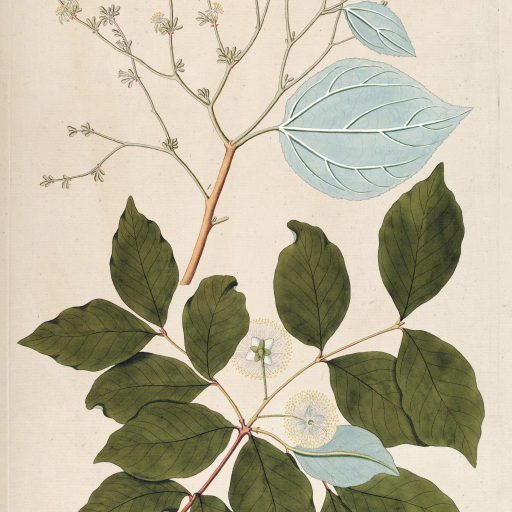
Plant Overview
Often called the Sun Fruit Tree or Tree Mallow, Heliocarpus americanus is a vibrant pioneer species from the tropical forests of the Americas. Its name comes from the Greek words helios (sun) and karpos (fruit), referring to its spectacular, fringed seed pods that look like tiny, glowing sunbursts. In its native habitat, it acts as a "forest healer," quickly growing in cleared areas to provide shade and protection for slower-growing species.
🔍 How to Identify
- ☀️ The Sunburst Fruit: The most recognizable feature is its clusters of small, dry fruits covered in long, feathery bristles. These often turn a beautiful pinkish-purple or golden-tan as they ripen.
- 🍃 Lush Foliage: The leaves are large, heart-shaped, and often have three slight lobes. They feel soft or slightly sandpaper-like to the touch due to tiny hairs.
- 🌸 Delicate Blooms: It produces small, inconspicuous greenish-yellow or pale pink flowers in large branching clusters before the dramatic seed pods take over.
🏡 In Your Garden
- 🌱 The Pioneer Spirit: Because it is a fast-growing "pioneer" tree, it is excellent for quickly establishing a canopy or privacy screen. However, be aware that it has a shorter lifespan than hardwoods like oaks.
- 💧 Soil & Resilience: It isn't particularly picky about soil quality but demands excellent drainage. It thrives in volcanic soils or sandy loams where water doesn't pool around its sensitive roots.
- 🪵 Fiber Resource: Historically, the bark of this tree has been prized for its strong, flexible fibers. In various cultures, it is stripped and twisted into durable ropes or used in traditional weaving.
⚠️ Safety & Toxicity
- ✅ Generally Safe: Heliocarpus americanus is not known to be toxic to humans or common household pets like dogs and cats.
- 🌵 Mechanical Irritation: While not poisonous, the fine bristles on the seed pods can sometimes act like "fiberglass" and cause mild skin or eye irritation if handled roughly. It is best to wear gloves if you are harvesting the decorative seed clusters.
✨ Fun Fact
The lightweight, buoyant wood of the Heliocarpus genus has been used for centuries to create traditional fishing floats and lightweight rafts, making it a "buoy of the forest" for riverside communities.

Detailed Care Instructions
To grow Heliocarpus americanus, also known as balloon vine or monkey's lantern, you can follow the steps below:
- Climate and Growing Conditions:
- Heliocarpus americanus is native to tropical regions, so it prefers warm climates with temperatures above 55°F (13°C).
- It can tolerate a wide range of soils but thrives in well-drained soil with organic matter.
- Select an area with full to partial sun exposure for optimal growth.
- Heliocarpus americanus is native to tropical regions, so it prefers warm climates with temperatures above 55°F (13°C).
- Seed Collection and Preparation:
- Collect mature seeds from a plant or purchase them from a reputable seed supplier.
- Soak the seeds in warm water for about 24 hours to improve germination. Change the water a few times during this period.
- Collect mature seeds from a plant or purchase them from a reputable seed supplier.
- Germination:
- Fill small pots or seed trays with a well-draining potting mix.
- Plant the soaked seeds about 0.25-0.5 inch (0.6-1.3 cm) deep in the soil.
- Keep the soil consistently moist but not waterlogged, as excessive moisture can lead to rotting.
- Place the pots or trays in a warm location with indirect sunlight.
- Germination usually occurs in 1-4 weeks, but it can take longer, so be patient.
- Fill small pots or seed trays with a well-draining potting mix.
- Transplanting:
- Once the seedlings have developed a few sets of true leaves and are strong enough, they can be transplanted into larger pots or directly into the garden.
- Prepare the planting site by loosening the soil and incorporating compost or organic matter.
- Dig holes slightly larger than the root ball of the seedling.
- Gently remove the seedling from its container, being careful not to damage the roots.
- Place the seedling in the hole, backfill with soil, and lightly firm the soil around it.
- Water thoroughly after transplanting to help the roots establish.
- Once the seedlings have developed a few sets of true leaves and are strong enough, they can be transplanted into larger pots or directly into the garden.
- Care and Maintenance:
- Heliocarpus americanus requires regular watering, especially during dry periods, to keep the soil moist but not saturated.
- Mulch around the base of the plant to help retain soil moisture and suppress weed growth.
- Fertilize with a balanced organic fertilizer once or twice a year, following the manufacturer's instructions.
- Prune any dead, damaged, or crossing branches to maintain a healthy and appealing shape.
- Protect young plants from strong winds and frost until they are well-established.
- Heliocarpus americanus requires regular watering, especially during dry periods, to keep the soil moist but not saturated.
- Pest and Disease Control:
- Heliocarpus americanus is generally resistant to pests and diseases. However, keep an eye out for common garden pests such as aphids, spider mites, or mealybugs. If an infestation occurs, use organic pest control methods or consult with a local gardening professional.
By following these steps and providing proper care, you should be able to successfully grow Heliocarpus americanus in your garden.
- Heliocarpus americanus is generally resistant to pests and diseases. However, keep an eye out for common garden pests such as aphids, spider mites, or mealybugs. If an infestation occurs, use organic pest control methods or consult with a local gardening professional.

Place in a bright room that is sun drenched almost all day. Or directly in a south-facing window.
Heliocarpus Americanus plants should be watered thoroughly once a week during the growing season, and less frequently during the dormant season. When watering, aim to soak the soil to a depth of at least 6 inches, but be careful not to overwater as this can lead to root rot. Allow the soil to dry out slightly between waterings, and make sure the pot has good drainage to prevent standing water. If the plant is outdoors, it may require more frequent watering during hot, dry weather. Avoid getting water on the leaves, as this can lead to fungal diseases.
To fertilize this plant, begin by applying a slow-release, balanced fertilizer in early spring or after the last frost. Make sure to read and follow the instructions on the fertilizer package, as application rates and methods may vary depending on the product. For best results, apply the fertilizer evenly to the soil around the base of the plant, taking care not to disturb the roots or foliage. Water the plant thoroughly after fertilization. Repeat this process once every 4-6 weeks throughout the growing season, or as recommended by the fertilizer manufacturer. Avoid fertilizing during periods of drought or extreme heat, as this may damage the plant.
For optimal growth and health of this plant, it is recommended to use a loose and well-draining soil mix that is rich in organic matter. The soil should be slightly acidic with a pH between 5.5 and 6.5. A combination of sandy loam and peat moss is ideal. It is important to avoid using heavy or compacted soils as it may hinder root development and lead to waterlogging. Additionally, the plant prefers a moist but not waterlogged environment, so it is recommended to water thoroughly but allowing the soil to dry slightly between waterings. Adding a layer of mulch around the base of the plant can also help retain moisture and improve soil structure.
To propagate this plant, you will need a mature plant with healthy, firm stems. Cut a stem from the plant using sterile pruning shears, making sure the stem is at least 6 inches long. Remove any leaves from the bottom half of the stem.
Fill a container with moist potting soil and create a hole in the center. Dip the bottom of the stem in rooting hormone, if desired, and place it in the hole. Press down gently to ensure good contact between the stem and the soil. Water the soil thoroughly.
Cover the container with a plastic bag to create a humid environment. Place the container in a bright, indirect location, but out of direct sunlight. Check the soil moisture regularly and water as needed to keep it moist but not waterlogged.
After a few weeks, check for roots by gently pulling on the stem. If it resists, roots have likely formed. Once roots have formed, the plastic bag can be removed and the plant can be gradually acclimated to more light. Once the new plant has grown larger, it can be transplanted to a larger pot or directly into the ground if desired.








