Plant Overview
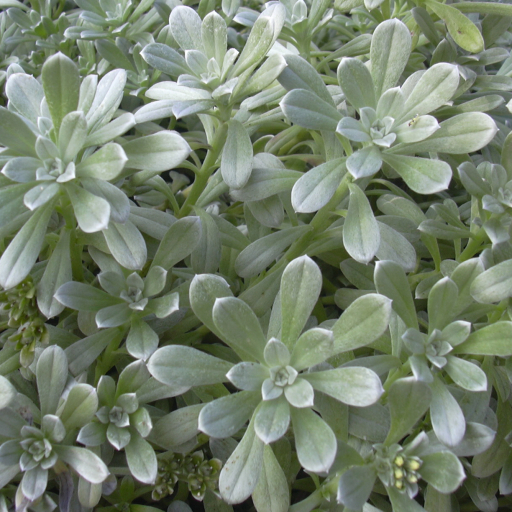
Often called the Hinahina or Beach Heliotrope, Heliotropium anomalum is a resilient coastal gem that looks as if it has been dipped in moonlight. Native to the sandy shores of the Pacific islands, this low-growing beauty is a true "extremophile," thriving in harsh salt sprays and sun-baked sands where other plants would wither. It holds a special place in Hawaiian culture, representing the strength and grace of the island landscape.
🔍 How to Identify
- 🍃 Silvery Foliage: The leaves are thick, succulent-like, and covered in tiny, silky hairs. This "fuzz" isn't just for show—it reflects intense sunlight and traps moisture to help the plant survive the heat.
- 🌸 Scorpion-like Blooms: It produces small, fragrant white or pale lavender flowers that grow in tight, curled clusters. These clusters uncurl slowly as the flowers open, a shape botanists call a "scorpioid cyme."
- 📏 Prostrate Habit: It is a mat-forming plant, staying very low to the ground. This "hugging" growth style protects it from high coastal winds and helps stabilize shifting sands.
🏡 In Your Garden
- 🌊 The Salt Specialist: If you live near the ocean, this is your gold-standard plant. It doesn't just tolerate salt spray; it thrives in it. It is an excellent choice for xeriscaping or rock gardens with sandy, well-draining soil.
- ☀️ Sun and Space: This plant is a sun-worshiper. If it doesn't get at least 6 to 8 hours of direct light, it will lose its compact shape and turn a dull green instead of its signature shimmering silver.
- 🚫 Avoid "Wet Feet": The Hinahina has evolved for the desert-like conditions of the beach. The fastest way to kill it is through overwatering or heavy clay soil, which leads to immediate root rot.
⚠️ Safety & Toxicity
- 🐾 Potential Risk: Most members of the Heliotropium genus contain pyrrolizidine alkaloids. While this specific species is sometimes used in traditional island teas, it can be toxic to the liver if ingested in significant quantities.
- 🐶 Pet Safety: Keep an eye on curious dogs or cats. Ingesting the foliage can lead to digestive upset or, in rare cases of large consumption, more serious internal issues.
✨ Fun Fact
In Hawaii, the Hinahina is the official flower of the island of Kahoʻolawe. Because the island is very arid and flowers can be scarce, traditional lei-makers use the entire silvery, leafy branch to create stunning, shimmering leis that look like they are made of silver filigree!

Detailed Care Instructions
To grow Heliotropium Anomalum, also known as balsam heliotrope or quinquina, you can follow these steps:
- Climate and location: Heliotropium Anomalum is a tropical plant native to South America. It requires warm temperatures and lots of sunlight, so choose a location that receives full sun for most of the day.
- Soil: The plant prefers well-draining soil with medium fertility. It can grow in slightly acidic to slightly alkaline soil. If your soil is heavy or clay-based, amend it with organic matter such as compost or peat moss to improve drainage.
- Propagation: You can propagate Heliotropium Anomalum from seeds. Start by soaking the seeds in warm water for 24 hours to encourage germination. Then, sow the moistened seeds directly into the soil or pre-moistened seed-starting mix, about 1/8 inch deep. Keep the soil consistently moist until germination occurs, which can take about 1-2 weeks.
- Watering: Once the seedlings are established, water them regularly to keep the soil moist but not waterlogged. Avoid overwatering, as it can lead to root rot. Water deeply, allowing the top inch of soil to dry out before the next watering.
- Fertilizer: Heliotropium Anomalum doesn't require heavy fertilization. You can apply a balanced, slow-release fertilizer at the beginning of the growing season. Alternatively, you can feed it with a diluted, water-soluble fertilizer every 2-4 weeks during the active growing months.
- Pruning: To encourage bushier growth and more flowers, pinch back the growing tips when the plant is young. This will help it branch out. Additionally, remove any dead or damaged foliage to maintain the plant's health and appearance.
- Pests and diseases: Heliotropium Anomalum is generally resistant to pests and diseases. However, it can occasionally attract aphids, whiteflies, or spider mites. Monitor the plant regularly and take appropriate measures if you notice any infestation, such as using organic insecticidal soap or neem oil.
- Support: Depending on the variety, Heliotropium Anomalum may need some support as it grows taller. You can use stakes or trellises to help the plant maintain an upright position.
By following these steps, you should be able to successfully grow Heliotropium Anomalum and enjoy its fragrant flowers and dark-green foliage.

Place in a bright room that is sun drenched almost all day. Or directly in a south-facing window.

Heliotropium Anomalum plant is best watered by first checking the soil moisture level before watering. To check the moisture level, insert a finger into the soil up to the second knuckle. If the soil feels dry, it is time to water. When watering, pour water slowly and evenly onto the soil around the base of the plant until the water starts to come out of the drainage holes at the bottom of the container. Avoid getting water on the foliage of the plant as this can lead to fungal diseases. The frequency of watering depends on various factors such as the size of the pot, the temperature, humidity and the amount of sunlight the plant receives. In general, Heliotropium Anomalum plant requires consistent moisture, so it is recommended to water the plant when the top inch of soil feels dry. Overwatering can lead to root rot, so it is important to ensure that the soil is well-draining and not sitting in water.
To fertilize the Heliotropium Anomalum plant, use a balanced fertilizer with equal amounts of nitrogen, phosphorus, and potassium. Apply the fertilizer every four to six weeks during the growing season, which is typically spring and summer. Dilute the fertilizer in water according to the instructions on the package and apply it to the soil around the base of the plant. Avoid getting the fertilizer on the leaves or stems as this can cause damage. Water the plant thoroughly after fertilizing to ensure the nutrients are absorbed into the soil.
Horticulturists recommend using a well-draining soil that is rich in organic matter for the Heliotropium Anomalum plant. The pH level of the soil should be slightly acidic, ranging from 6.0 to 6.5. It is essential to ensure that the soil has good drainage as the plant does not tolerate waterlogging. Adding perlite or sand to the soil can ensure that it retains moisture without becoming waterlogged. Additionally, the plant benefits from regular fertilization, so supplementing the soil with a slow-release granular fertilizer can be beneficial. It is also recommended to periodically amend the soil with compost or other organic matter to maintain soil fertility and structure.
To propagate this plant, you will need to carefully collect the seeds in the late summer or early autumn when they are fully ripe. These seeds need to be sown in a well-draining potting mix and kept moist. Germination can take anywhere from a few days to a couple of weeks. Once the seedlings have emerged, they should be transplanted into individual containers with good drainage. As the plants grow, they may need to be repotted into larger containers to accommodate their root system. This plant can also be propagated by taking stem cuttings in the spring or early summer. Cuttings should be taken from healthy, non-flowering stems and should be about 4-6 inches long. Remove the bottom leaves and dip the cut end in rooting hormone before planting it in a well-draining potting mix. Keep the soil moist and the cutting in a bright, warm area until roots have formed.








