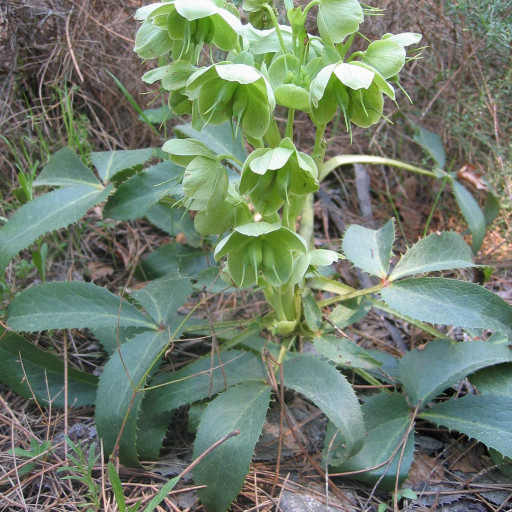
Plant Overview
Often called the "Winter Queen" or the "Lenten Rose," Helleborus is the gardener's reward for surviving the coldest months. While most of the garden sleeps under a blanket of frost, these resilient perennials push through the chilled earth to reveal elegant, cup-shaped blooms. Despite their name, they aren't true roses at all, but their regal appearance and ability to thrive in deep shade have made them a legendary staple of the winter landscape.
🔍 How to Identify
- 🌸 Sepal "Petals": What look like delicate petals are actually tough, waxy sepals. Because they are more leaf-like than flower-like, these "blooms" can stay on the plant for several months without wilting.
- 🍃 Leathery Foliage: The leaves are typically dark green, serrated, and have a thick, leathery texture. In many regions, this foliage remains evergreen, providing color even when the flowers are gone.
- 📉 The Nodding Habit: Many traditional varieties feature downward-facing or "nodding" flowers. This is an evolutionary trick designed to protect the precious pollen from winter rain and heavy snow.
🏡 In Your Garden
- 🏰 The Hermit Plant: Hellebores possess a sensitive, deep root system and absolutely loathe being moved once they are established. It is vital to pick their "forever home" carefully—ideally a spot with dappled shade and rich, organic soil.
- ✂️ Spring Grooming: To keep the plant healthy, gardeners should snip off the old, tattered leaves from the previous year just as the new flower buds begin to emerge. This prevents fungal spots from spreading to the fresh new growth.
⚠️ Safety & Toxicity
- 🚫 High Toxicity: Every part of the Hellebore—from the roots to the seeds—is poisonous if ingested. It contains ranunculin and protoanemonin, which cause severe burning of the mouth and throat.
- 🧤 Skin Irritant: The sap can cause significant skin irritation or "burning" sensations. It is highly recommended to wear gloves when pruning or dividing these plants to avoid contact with the skin.
✨ Fun Fact
📜 In Greek mythology, Hellebore was famously used by the physician Melampus to "cure" the daughters of the King of Argos of a madness that made them run through the streets acting like cows. While it has a long history in ancient folk medicine, its high toxicity makes it strictly an ornamental plant today!

Detailed Care Instructions
| Color | White, Pink, Purple |
| Soil Ph | Neutral Or Alkaline |
| Humidity | Normal |
| Lighting | Part Sun |
| Soil Type | Rich, Moist Soil |
| Bloom Time | Winter, Spring |
| Difficulty | Hard |
| Plant Type | Herbaceous Perennial |
| Mature Size | One To One-And-A-Half Feet Tall With One To One-And-A-Half Feet Spread |
| Native Area | Caucasus, Turkey |
| Temperature | 13°C - 23°C |
| Sun Exposure | Part Shade To Full Shade |
| Hardiness Zones | 4–9 |
To grow a Helleborus plant, also known as Lenten rose, you can follow these steps:
- Choose a suitable planting location: Helleborus plants prefer partial shade to full shade. Select an area with well-draining soil that is rich in organic matter.
- Prepare the soil: Amend the soil with compost or well-rotted manure to improve its fertility and drainage. Remove any weeds or rocks from the planting area.
- Planting: Dig a hole that is roughly twice the size of the plant's root ball. Place the plant in the hole, ensuring that the top of the root ball is level with or slightly above the soil surface. Backfill the hole with soil, gently firming it around the plant.
- Watering: Give the newly planted Helleborus a thorough watering to settle the soil around the roots. Afterward, provide regular watering, especially during dry spells or prolonged periods of drought. However, they also prefer well-drained soil, so make sure not to overwater.
- Mulching: Apply a layer of organic mulch, such as shredded bark or compost, around the base of the plant. This will help retain moisture, suppress weeds, and provide winter protection.
- Fertilizing: Helleborus plants do not require much fertilizer. However, a balanced, slow-release fertilizer can be applied in early spring before new growth emerges. Follow the package instructions for application rates.
- Pruning: Remove any damaged or withered foliage in early spring before new growth appears. This will keep the plant looking tidy and help prevent the spread of diseases.
- Dividing: Over time, Helleborus plants can become crowded and may benefit from dividing. This is best done in early spring before new growth starts. Dig up the plant, carefully separate the root clumps, and replant each division.
- Pests and diseases: Helleborus plants are generally resistant to most pests and diseases. However, keep an eye out for slugs and snails, which can damage the leaves. If necessary, use organic slug control methods, such as beer traps or copper tape.
By following these steps, you can successfully grow a Helleborus plant and enjoy its beautiful blooms.

Place in a window with dappled sun or a spot in the middle of a room. Or directly in a window facing west or east.

Helleborus is a type of plant that requires regular watering to thrive. The best way to water this plant is to water deeply at the base, rather than just lightly misting the leaves. This helps to promote deep root growth and ensures the plant is able to access all the nutrients it needs.
To water Helleborus, use a watering can or hose to slowly pour water at the base of the plant until the soil feels moist. Be careful not to overwater the plant, as this can lead to root rot and other issues. It's best to check the soil moisture level regularly to ensure it's not too dry or waterlogged.
In addition to regular watering, Helleborus also benefits from regular fertilization to give it the nutrients it needs to grow strong and healthy. Consider adding a slow-release fertilizer to the soil in the spring and again in the fall, following package instructions for best results.
Overall, caring for Helleborus requires attention to its watering and nutrient needs to ensure it thrives and produces beautiful blooms.
To fertilize this plant, use a balanced fertilizer with equal amounts of nitrogen, phosphorus, and potassium. Apply the fertilizer at half strength in early spring before new growth begins, and again in early fall. Always water the plant thoroughly after fertilizing to prevent burning the roots. Avoid getting fertilizer on the leaves as it can cause damage.
The best soil to use for this plant is a well-draining, moisture-retentive soil that is rich in organic matter. This type of soil is slightly acidic with a pH between 6.0 and 7.0. It should not be too heavy or compact as this can lead to poor drainage and root rot. A mixture of soil, peat moss, and compost is usually recommended. It is important to avoid using heavy clay soils or sandy soils that do not retain water. Additionally, the soil should be kept consistently moist, but not waterlogged, to support the Helleborus plant's growth and health.
Helleborus plants can be propagated through a process called division where the roots and stems of an established plant are separated to create new plants. First, choose a healthy and mature plant with multiple stems and a well-established root system. Wait until the plant is dormant in the fall or early spring before beginning the propagation process.
Carefully lift the plant out of the soil, being sure to disturb the root system as little as possible. Gently shake off any excess soil and use a clean and sharp knife or garden scissors to carefully separate the stems from the root system. Be sure to leave several buds on each stem and some healthy roots on each section.
Plant the separated sections in well-draining soil and water thoroughly. Keep the soil moist but not waterlogged and place the new plants in a shaded area for a few weeks while they establish new roots. Once the new plants have established themselves, they can be gradually moved to a sunnier location and cared for the same as the mother plant.







