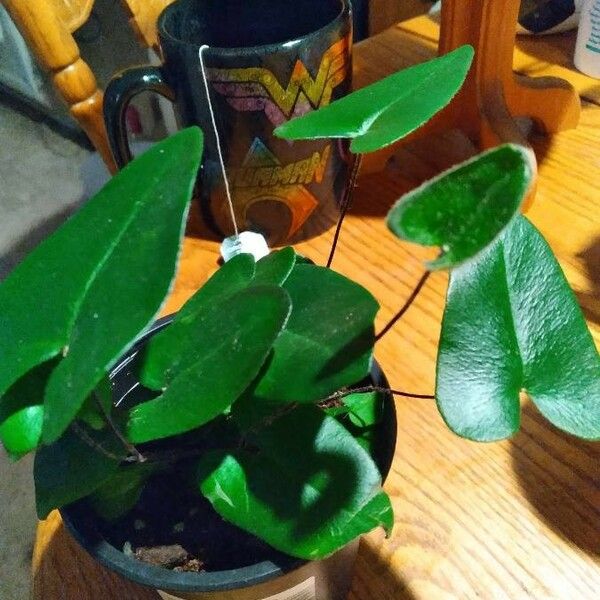
Plant Overview
Known affectionately as the "Heart Fern" or "Tongue Fern," this Southeast Asian native is a living valentine for your home. Unlike the feathery, ruffled fronds of many common ferns, this plant features thick, leathery leaves that look almost like pieces of deep-green wax. It is a petite tropical gem that thrives in the misty understory of rainforests, making it a favorite for those who love a bit of botanical drama.
🔍 How to Identify
- 💚 Heart-Shaped Fronds: The most iconic feature is the dark green, cordate (heart-shaped) leaves that are smooth and waxy on top.
- 🧵 Wiry Stems: Each leaf is supported by a thin, stiff, dark-brown to black stem that is slightly fuzzy, providing a sharp contrast to the green foliage.
- 🌿 Two-Tiered Growth: Look closely and you’ll see two types of leaves. The shorter, rounder ones sit low to the ground (sterile fronds), while the taller, narrower ones (fertile fronds) stand upright to release spores.
🏡 In Your Garden
- 🌫️ The Humidity Diva: This plant is often called a "terrarium plant" for a reason. It is extremely sensitive to dry air; if your home’s humidity drops, the edges of the hearts will quickly turn brown and crispy. It loves a steamy bathroom or a glass cloche.
- 🏺 Shallow Roots: In nature, it often grows on rocks or trees. Because its root system is relatively shallow, it prefers being slightly snug in its pot. It hates being repotted frequently, so only move it when absolutely necessary to avoid "transplant shock."
⚠️ Safety & Toxicity
- 🐾 Non-Toxic: The Heart Fern is generally considered safe and non-toxic for cats, dogs, and humans.
- 🛡️ Delicate Texture: While it won't hurt your pets, your pets might hurt it! The stiff stems are brittle and snap easily, so it’s best kept on a high shelf away from wagging tails or curious paws.
✨ Fun Fact
The Hemionitis arifolia is a master of "dimorphism." It grows different leaf shapes for different jobs: the low-growing "hearts" are designed to soak up as much light as possible on the dark forest floor, while the tall, skinny leaves are "scouts" that reach up into the breeze to spread their spores!

Detailed Care Instructions
| Color | Deep Green Leaves With Dark, Almost Black Stems |
| Soil Ph | 5.5-6.5 |
| Humidity | High |
| Lighting | Shade |
| Toxicity | Non-Toxic |
| Soil Type | Moist, Well-Draining, Rich |
| Bloom Time | This Is A Non-Flowering Plant |
| Difficulty | Hard |
| Plant Type | Fern |
| Hibernation | Cold Period |
| Mature Size | 6 Inches To 10 Inches Tall, Up To 5 Inches Wide |
| Native Area | Tropical Parts Of Northeast Asia |
| Temperature | 15°C - 23°C |
| Sun Exposure | Indirect Light To Shade |
| Hardiness Zones | 10-12 |
To grow Hemionitis Arifolia, also known as the heart fern or tongue fern, you can follow these steps:
- Choose the right location: Hemionitis Arifolia prefers indirect light or partial shade. Avoid exposing it to direct sunlight, as it can scorch the delicate fronds. Find a spot with good air circulation and a temperature range of 60-75°F (15-24°C).
- Provide the right soil: Heart ferns thrive in well-draining, organic-rich soil. A mix of peat moss, perlite, and regular potting soil works well. Ensure the soil stays moist but not waterlogged.
- Watering: Keep the soil consistently damp, but avoid overwatering. Hemionitis Arifolia prefers evenly moist conditions. Check the soil moisture regularly, and water when the top inch of soil feels dry to the touch.
- Container selection: Choose a container with drainage holes to prevent waterlogging. Make sure the pot is the appropriate size for the plant, allowing enough room for growth.
- Humidity: Heart ferns enjoy high humidity, so misting the fronds daily with water can help simulate their natural environment. You can also place a humidifier nearby or set the pot on a tray filled with water and pebbles to increase humidity levels.
- Fertilizing: Apply a balanced houseplant fertilizer once a month during the growing season (spring to fall) to provide necessary nutrients. Follow the instructions on the fertilizer packaging for proper dosage.
- Pruning: Regularly remove any yellowing or dead fronds to promote new growth and maintain the plant's appearance. Trim these fronds at the base of the plant using clean, sterilized pruning shears or scissors.
- Propagation: Hemionitis Arifolia can be propagated through division or spore cultivation. To divide, carefully separate the rhizomes (underground stems) and plant them in separate containers. Spore cultivation requires creating a humid environment for the spores to germinate and grow into small ferns.
- Pest control: The heart fern is generally resistant to pests but watch for common houseplant pests like aphids, spider mites, or mealybugs. If you notice any infestations, treat them with appropriate insecticidal soap or neem oil.
Remember, Hemionitis Arifolia is a relatively delicate plant, so gentle care is essential to ensure its health and vitality.

Place in a window with dappled sun or a spot in the middle of a room. Or directly in a window facing west or east.

Hemionitis Arifolia plants prefer to be watered infrequently but deeply. When the top inch of soil feels dry to the touch, water thoroughly until water drains out the bottom of the pot. Be careful not to let the plant sit in standing water as it can lead to root rot. Watering once a week during the growing season and less during the winter is usually sufficient. In addition, Hemionitis Arifolia plants do not like to be misted and prefer a slightly humid environment, so placing a tray of water nearby can help maintain a healthy level of humidity for the plant.
To fertilize this plant, use a balanced liquid fertilizer diluted to half strength and apply it once per month during the growing season. Be sure to water the plant thoroughly before and after fertilizing. Avoid over-fertilizing as it can cause damage to the roots and leaves of the plant.
For Hemionitis Arifolia plant, it is recommended to use a well-draining potting mix that is rich in organic matter. The ideal soil should have good aeration to promote healthy root growth. A mix that contains perlite, vermiculite, and peat moss would be suitable for this plant. The soil pH should be slightly acidic, between 6.0-6.5. It is important to avoid using heavy soils that retain too much moisture as it can lead to root rot. To improve drainage, you can also add coarse sand or gravel to the potting mix.
To propagate this plant, you will need to divide the plant into smaller sections. First, you will need to carefully remove the plant from its current pot or location and gently separate the roots from each other. Next, identify where you can make a clean cut to separate the plant into smaller sections. It is best to ensure that each new section has both roots and leaves. Once the sections have been separated, plant them in new pots with fresh soil and water thoroughly. Place the new pots in a warm, bright location, but avoid direct sunlight until the plant has had time to establish new roots. Water regularly and allow the soil to slightly dry out between watering. With proper care, the new Hemionitis Arifolia plants should begin to grow and thrive in their new environments.








