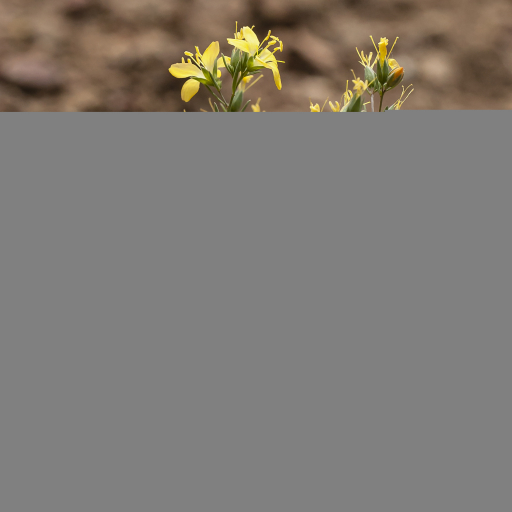
Plant Overview
Brewer’s Dwarf Flax is a delicate, rare beauty found exclusively in the rugged landscapes of Northern California. Often referred to as a "serpentine specialist," this plant thrives in harsh, metallic soils where most other vegetation would perish. It is a botanical jewel, highly prized by rare-plant hunters for its airy, ethereal appearance during the spring bloom.
🔍 How to Identify
- 🌼 Sunny Blooms: It features five small, bright yellow petals that often display subtle, fine veins. The stamens usually poke out prominently, giving the flower a "starry" texture.
- 🧵 Thread-like Stems: The stems are remarkably thin, wiry, and branching, making the plant look like a golden mist from a distance.
- 🍃 Minimalist Foliage: The leaves are very narrow and needle-like, a survival tactic to prevent water loss in its dry, rocky habitat.
🏡 In Your Garden & Wild Habitat
- ⛰️ The Serpentine Specialist: This plant is rarely found in home gardens because it requires very specific "serpentine" soil—earth that is high in heavy metals like magnesium and iron. It has evolved to love what other plants find toxic.
- ☀️ Sun Seeker: In the wild, you will find it on exposed, sun-drenched slopes. Its delicate appearance is deceiving; it is built to withstand intense heat and rocky, nutrient-poor ground.
- 🌱 Rare Status: Because it is a California endemic with a limited range, it is considered a sensitive species. Seeing one in the wild is a special event!
⚠️ Safety & Toxicity
- 🟢 Non-Toxic: There are no known records of Hesperolinon breweri being toxic to humans, dogs, or cats.
- 🛑 Conservation Alert: The primary "safety" concern is for the plant itself. Due to its rare status (listed by the California Native Plant Society), it should never be picked or transplanted from the wild, as its survival depends on its specific natural niche.
✨ Fun Fact
This plant was named after William Henry Brewer, a legendary botanist from the 1860s California Geological Survey. He reportedly hiked over 14,000 miles through the California wilderness to document rare species like this flax!

Detailed Care Instructions

Place in a bright room that is sun drenched almost all day. Or directly in a south-facing window.

Some plants require more regular watering than others, which should be done every few days. It's critical to maintain the soil moist all of the time. The water requirements of the same plant placed in pots with varying sizes will differ. Because the water in the smaller pot evaporates faster than the water in the larger pot, it will require more watering. Regardless of pot size, the surface should constantly be maintained moist.








