Plant Overview
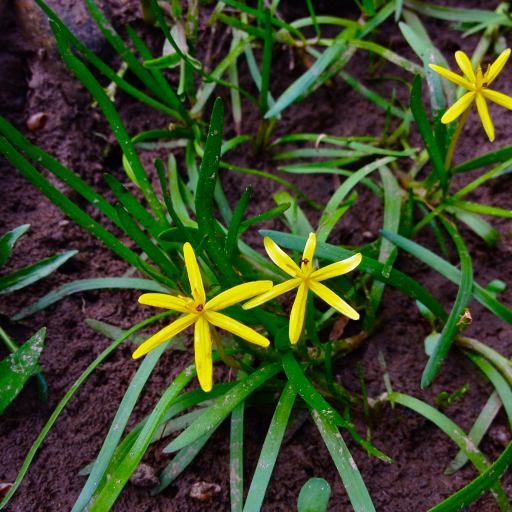
Often referred to as the Water Stargrass, Heteranthera dubia is a graceful, submerged aquatic plant that looks like a field of swaying green ribbons until it decides to bloom. Native to North America, it earns its name from the tiny, lemon-yellow flowers that peek just above the water's surface, looking like fallen stars. While it is frequently mistaken for common pondweeds, it is actually a member of the Pickerel-weed family and brings a touch of wild elegance to any freshwater setting.
🔍 How to Identify
- 🌿 The Foliage: The leaves are long, narrow, and grass-like, lacking a prominent central midvein. This distinguishes it from many "look-alike" pondweeds (Potamogeton) which usually have a clear center line.
- 🌼 The Bloom: Small, six-petaled yellow flowers emerge on short stalks. They are remarkably symmetrical and look like bright stars resting on the water.
- 🎋 The Stem: The stems are slender, rounded, and highly branched, often forming dense, billowing underwater mats that move gracefully with the current.
🏡 In Your Garden & Pond
- 🐟 Aquatic Sanctuary: In a pond or large aquarium, this plant acts as a "nursery." Its dense, bushy growth provides excellent hiding spots for fry (baby fish) and protection for small invertebrates like shrimp.
- ☀️ Light & Clarity: While it can tolerate some murky water, it thrives in clear, shallow areas where sunlight can reach its lower leaves. In deeper or shaded water, it may become "leggy" as it stretches toward the surface to find light.
- 💧 Oxygenation Expert: Like many fast-growing submerged plants, it is an excellent oxygenator, helping to keep the water healthy for fish and competing with algae for excess nutrients.
⚠️ Safety & Toxicity
- ✅ Safe for All: Heteranthera dubia is considered non-toxic to humans, dogs, cats, and livestock.
- 🐢 Turtle Treat: Many aquatic turtles and herbivorous fish enjoy nibbling on its tender leaves, making it a functional food source in a balanced ecosystem.
- 🚫 Ecosystem Watch: While native to North America, it is a vigorous grower. In small ornamental ponds, it may require occasional thinning to prevent it from "taking over" and crowding out slower-growing species.
✨ Fun Fact
The flowers of the Water Stargrass are incredibly fleeting—each individual bloom typically opens for only a few hours during a single day, usually during the bright morning light, before submerging and withering!

Detailed Care Instructions
To successfully grow Heteranthera Dubia (also known as Water Stargrass or Dubia Star Grass), you should follow these steps:
- Choose the right conditions: Heteranthera Dubia requires tropical or subtropical conditions, so make sure your growing environment provides temperatures between 70-85°F (21-29°C). It needs moderate to high light conditions, so place it near a window or use artificial grow lights. Additionally, maintain a pH level of 6-7 in your water.
- Prepare your tank: Fill a small aquarium or plant container with dechlorinated water. You can use an inert substrate like sand or gravel as a base for the plant. It's important to provide good water circulation and filtration.
- Plant your Heteranthera Dubia: Carefully separate the individual stalks of the plant and plant them about 1-2 inches apart in the substrate. Ensure that the roots are buried, while the stems and leaves remain above the substrate.
- Provide proper nutrition: Like all aquatic plants, Heteranthera Dubia requires nutrients to grow. You can use liquid aquarium fertilizers or root tabs specifically designed for aquarium plants. Follow the manufacturer's instructions for the dosage.
- Maintain water parameters: Regularly check and maintain water parameters to ensure optimal growth. Regularly monitor and adjust the temperature, pH, and lighting levels to meet the plant's requirements. Consider using a heater and thermometer to maintain stable water temperatures.
- Prune regularly: To encourage healthy growth and prevent overcrowding, prune any dead or dying leaves, as well as excess growth. Trimming your Heteranthera Dubia regularly also helps maintain an aesthetically pleasing appearance.
- Monitor and control algae: Algae growth can compete with your Heteranthera Dubia for nutrients, light, and space. Implement good tank maintenance practices, such as regular water changes and maintaining proper lighting levels, to control algae growth.
- Observe and adjust: Keep an eye on your Heteranthera Dubia for any signs of nutrient deficiencies or imbalances. Adjust fertilization and lighting levels accordingly to promote healthy growth.
Remember that each plant may have specific requirements, so it's essential to research and understand the specific needs of Heteranthera Dubia to ensure its successful growth.

Place in a bright room that is sun drenched almost all day. Or directly in a south-facing window.

To water this aquatic plant, fill the aquarium with fresh water and use a gentle flow or spray to avoid damaging the delicate leaves and stem. The water should be filtered and devoid of any contaminants and pollutants. It is recommended to maintain a high level of oxygen concentration in the water through aeration or circulation. Additionally, avoid overcrowding the tank, as this can lead to a lack of nutrients and oxygen, which may cause the plant to wilt or die. Test the water regularly for pH, hardness, and other parameters, and adjust accordingly to maintain a stable and healthy environment for the plant.
To fertilize the Heteranthera Dubia plant, use a balanced liquid fertilizer with a 1:1:1 or 2:1:2 ratio of nitrogen, phosphorus, and potassium. Apply the fertilizer once a week in half-strength doses or every other week in full-strength doses. Avoid over-fertilizing as it can cause algae growth and harm the plant.
Heteranthera Dubia plant requires a nutrient-rich soil that is well-draining and has a balanced pH level. The appropriate type of soil for this plant is a mix of loamy and sandy soil with some organic matter added to it. This plant prefer slightly acidic to mildly alkaline soil with a pH range between 6.0 to 7.5. It is essential to avoid using clay soils or any soil that retains too much moisture, as this can lead to root decay. Additionally, it's recommended to add some fertilizer to the soil before planting, for enhancing the growth and health of the plant. The soil should neither be too compact nor too loose, to provide the plant with sturdy support and adequate aeration at the same time.
To propagate this plant, you will need to obtain a healthy parent plant with multiple stems. Cut off one of the stems about 5-6 inches long, making sure to include a few nodes. Remove any lower leaves from the stem, leaving only a few leaves at the top.
Fill a small pot with a mixture of half potting soil and half sand or vermiculite. Wet the soil mixture thoroughly. Using a pencil or other pointed object, make a hole in the soil mixture and insert the stem cutting. Gently pack the soil mixture around the cutting so that it stands upright.
Cover the pot with a plastic bag or plastic wrap to create a mini greenhouse effect. Place the pot in a bright location but out of direct sunlight. Keep the soil mixture moist but not soaking wet. After about 4-6 weeks, new roots should have formed and new growth should be evident.
Remove the plastic covering and continue to care for the new plant as you would the parent plant.








