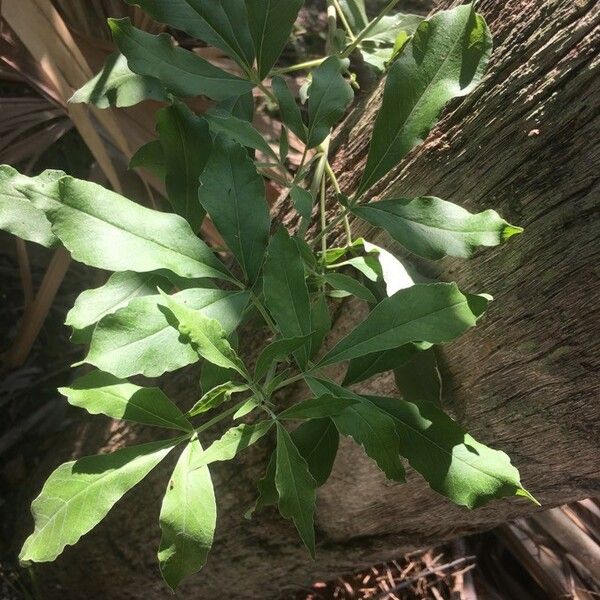
Plant Overview
Often called the Parsley Tree, Heteromorpha arborescens is a botanical shapeshifter famous for its wildly varying leaf shapes and shimmering, metallic bark. Indigenous to the African continent, it’s a favorite for gardeners who want a hardy, fast-growing tree that attracts a miniature "safari" of birds and butterflies to their backyard.
🔍 How to Identify
- 📜 Peeling Bark: The most striking feature is its glossy, reddish-brown bark that peels away in thin, horizontal, papery strips—much like a birch tree.
- 🌿 Variable Foliage: The name "Heteromorpha" literally means "different shapes." On a single branch, you might find leaves that are simple, lobed, or divided, though they almost always resemble flat-leaf parsley.
- 🌼 Umbrella Blooms: It produces small, creamy-yellow flowers arranged in "umbels" (umbrella-like clusters), a signature look of the carrot family.
🏡 In Your Garden
- 🦋 Butterfly Nursery: This tree is a primary host plant for several species of Swallowtail butterflies. Expect to see vibrant caterpillars and fluttering visitors throughout the warmer months.
- 🌬️ Pioneer Spirit: It is a "pioneer species," meaning it grows exceptionally fast and is very hardy. It’s perfect for new gardens that need quick height or a screen against the wind.
- 💧 Drought Resistance: Once established, it is remarkably water-wise, making it an excellent choice for xeriscaping or low-maintenance landscapes.
⚠️ Safety & Toxicity
- 🟢 General Safety: The Parsley Tree is not considered highly toxic to humans or common household pets.
- 🧴 Skin Sensitivity: While it doesn't carry a "deadly" warning, some people may experience mild skin irritation from the sap if they have sensitive skin. It’s always best to wear gloves when pruning.
- 🚫 Not for Eating: Despite its "Parsley" nickname and its relation to carrots, this is an ornamental tree. The leaves and roots should not be consumed by humans or pets as they can cause digestive upset.
✨ Fun Fact
Believe it or not, this tree is a member of the Apiaceae family—the exact same family as carrots, celery, and parsnips! It is essentially a "giant woody carrot" that decided to reach for the sky instead of staying in the soil.

Detailed Care Instructions
To grow Heteromorpha arborescens (also known as African oak) successfully, follow these steps:
- Choose a suitable location: Select a spot that receives full to partial sun exposure. The plant can tolerate a range of light conditions but flourishes with bright, indirect light.
- Soil preparation: African oak prefers well-draining soil that is rich in organic matter. Soil pH should be slightly acidic to neutral (around 6.0-7.0).
- Planting: Heteromorpha arborescens can be propagated from seeds or stem cuttings. If using seeds, sow them in small pots filled with moist soil, ensuring they are just lightly covered. Keep the soil consistently moist until germination occurs. Transplant the seedlings into individual pots once they are large enough to handle. For stem cuttings, take 6-8 inch cuttings from mature plants, dip the cut ends in a rooting hormone, and then plant them in a well-draining potting mix. Ensure that the cuttings receive adequate moisture and provide a humid environment using a plastic bag or a terrarium until roots form.
- Watering: African oak prefers regular watering but avoid overwatering, as it can lead to root rot. Water the plant when the top inch of soil feels dry, allowing excess water to drain away.
- Fertilization: Feed the plant with a balanced, water-soluble fertilizer once every 2-4 weeks during the growing season (spring to fall). Follow the instructions on the fertilizer packaging for the appropriate dosage.
- Pruning: Prune the plant occasionally to maintain a desired shape and to remove dead or damaged growth. This will also encourage bushier growth.
- Temperature and humidity: Heteromorpha arborescens thrives in warm temperatures ranging from 65-85°F (18-29°C). It can handle lower temperatures but prefers to be kept away from frost or extreme cold. This plant also appreciates moderate humidity levels, so misting it regularly or placing it near a humidifier can help.
- Pests and diseases: African oak is generally resistant to pests and diseases. However, common issues might include mealybugs, scale insects, or fungal diseases. Keep a lookout for any signs of infestation or disease, and address them promptly with appropriate treatments such as insecticides or fungicides.
Remember to research and follow any additional care guidelines specific to your region and specific plant requirements to ensure optimal growth.
To water this plant, it is important to observe the soil moisture level first. Stick your finger into the soil and if it feels dry up to the first knuckle, it's time to water. Give it a deep watering, aiming to saturate the soil completely. Avoid watering the leaves or stem as this can lead to fungal growth. Allow the top inch of soil to dry out slightly before watering again, and adjust the frequency of watering based on the plant's needs and environment. It is best to use room temperature water and avoid watering during the hottest part of the day.
To fertilize this plant, use a balanced water-soluble fertilizer once a month during the growing season (spring and summer). Dilute the fertilizer according to package instructions. Avoid over-fertilizing as it can cause damage to the plant. During the dormant season (fall and winter), fertilizer can be skipped or reduced. Apply the fertilizer to the soil around the base of the plant and water thoroughly after application.
Heteromorpha Arborescens plants prefer a well-draining soil that is rich in organic matter. It is best to use a mixture of organic potting soil and sand or perlite to improve drainage. The pH of the soil should be slightly acidic to neutral. Adding compost or peat moss to the soil can help improve its quality. Ensure the soil is moist but not waterlogged, as Heteromorpha Arborescens plants prefer evenly moist soil. Avoid using heavy clay soils, as they can cause the plant's roots to become waterlogged and may lead to root rot.
There are a few different methods for propagating this plant species, but one common way is through stem cuttings. To do this, you will need to take a cutting from a healthy stem of the plant. The cutting should be about 4-6 inches long and have several leaves. Make sure to use a clean, sharp pair of scissors or pruning shears to avoid damaging the cutting.
Next, remove the lower leaves from the cutting, leaving only a few at the top. This will help the cutting focus its energy on growing new roots instead of supporting leaves. You can also dip the cut end of the stem into rooting hormone to encourage root growth.
Once you have prepared the cutting, you can plant it in a well-draining potting mix. Make a hole about 2 inches deep in the soil, and gently place the cutting into the hole. Pack the soil around the cutting to ensure it is secure.
Water the potting mix and keep it moist, but not soaking wet. You may want to cover the plant with a clear plastic bag or other cover to create a humid environment for the cutting. Place the pot in a bright, indirect light setting, but avoid direct sunlight which may scorch the new plant.
Over the next few weeks, the cutting will begin to grow roots and new leaves. Once it has established a strong root system, you can transplant the new plant into a larger container or into your garden bed.








