Plant Overview
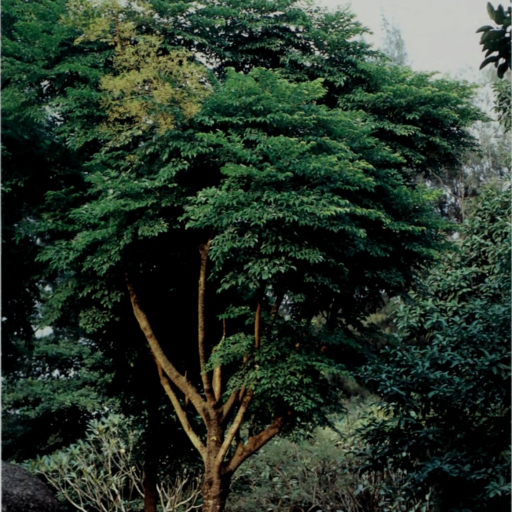
Known as the "Root Plant" or the "Asian Bell Tree," Heteropanax fragrans is a sophisticated evergreen that brings a touch of the Southeast Asian rainforest into your living room. Often mistaken for the China Doll plant, it stands out with its sturdy, textured trunk and a canopy of delicate, lace-like foliage. It is a favorite for interior designers who want a "miniature tree" aesthetic without the high-maintenance demands of a traditional Bonsai.
🔍 How to Identify
- 🌿 Lacy Foliage: The leaves are "tripinnate," meaning they branch out multiple times to create a complex, airy appearance. Each leaflet is oval-shaped with a waxy, light-reflecting sheen.
- 🪵 Woody Trunk: Even young specimens feature a thick, grayish-brown stem with a cork-like texture, giving the plant an ancient, established look.
- 🌼 Fragrant Blooms: In the wild, mature plants produce clusters of small, yellowish-white flowers that emit a soft, sweet perfume—though these are rare when grown as an indoor houseplant.
🏡 In Your Garden
- ☀️ Light & Leaf Drop: This plant thrives in bright, indirect light. If placed in a dark corner, it may protest by dropping its lower leaves to conserve energy.
- 💧 The "Soggy Foot" Problem: Heteropanax is particularly sensitive to standing water. It prefers a "drench and dry" cycle; if the roots sit in water for too long, the woody trunk can soften and rot quite quickly.
- ✂️ Shape Management: Because it naturally grows as a vertical tree, you can prune the top to encourage a bushier, more rounded canopy, making it a versatile piece for corner decor.
⚠️ Safety & Toxicity
- 🐾 Pet Watch: While not categorized as highly deadly, it belongs to the Araliaceae family, which can cause mild stomach upset or drooling if ingested by curious cats or dogs.
- 👶 Child Safety: It is generally considered non-toxic to humans, but the sap may cause very mild skin irritation for those with sensitive skin during heavy pruning.
✨ Fun Fact
In its native habitats across India and China, Heteropanax fragrans is celebrated as a natural air purifier. It is historically used in traditional herbal medicine to treat skin conditions and is believed by some to bring a sense of stability and "rootedness" to a home.

Detailed Care Instructions
To grow Heteropanax fragrans, commonly known as fragrant aralia or paper plant, you can follow these steps:
- Choose the right location: Select a suitable spot that receives bright, indirect sunlight. Avoid placing the plant in direct sunlight as it can scorch the leaves. Additionally, ensure the room temperature remains moderate, between 65-75°F (18-24°C).
- Soil and container: Use a well-draining potting mix that retains moisture without becoming waterlogged. Select a container with drainage holes to prevent waterlogging of the roots.
- Planting: Gently remove the plant from its nursery container and loosen the root ball. Place it in the new container, ensuring the top of the root ball is level with the rim. Fill in the gaps around the roots with fresh potting soil and gently pat it down.
- Watering: Keep the soil consistently moist but not soggy. Water thoroughly when the top inch of soil feels dry. Avoid overwatering, as it can lead to root rot. Reduce watering during winter, allowing the soil to partially dry out between waterings.
- Humidity: Fragrant aralia prefers higher humidity levels. To increase humidity, you can place a tray of water near the plant or use a humidifier. Additionally, mist the leaves regularly to mimic the humid conditions of its native habitat.
- Fertilization: Feed the plant with a balanced liquid fertilizer every 4-6 weeks during the growing season (spring and summer). Follow the manufacturer's instructions for dosage and application.
- Pruning: Prune the plant in spring to maintain its shape and remove any dead or damaged leaves. You can also pinch back the tips of the plant to encourage bushier growth.
- Propagation: Heteropanax fragrans can be propagated through stem cuttings. Take a 4-6 inch cutting from a healthy plant, remove the lower leaves, and place it in a container with moist potting soil. Keep the cutting warm and mist it regularly until new growth appears.
- Pests and diseases: Keep an eye out for common houseplant pests such as aphids, spider mites, and mealybugs. If you notice any infestations, treat them with appropriate insecticides or try natural remedies like neem oil.
With proper care, your Heteropanax fragrans plant should grow well and add beauty to your indoor space.

Place in a bright room that is sun drenched almost all day. Or directly in a south-facing window.

To properly water the Heteropanax Fragrans plant, you should follow these instructions:
1. Observe the plant's soil moisture: Before watering, check the soil's moisture level by sticking your finger about one inch deep into the soil. If it feels dry at this depth, it's time to water.
2. Choose the right watering method: To provide adequate moisture without overwatering, use the bottom-up watering method. Place the plant's pot in a saucer or tray, filled with water. Allow the plant to absorb the water through the drainage holes in the bottom of the pot. Let the plant sit in the water until the top layer of soil becomes moist, then remove it from the saucer and drain any excess water.
3. Water thoroughly: When watering the Heteropanax Fragrans plant from the top, ensure that water penetrates the entire root zone. Slowly pour water onto the soil surface, allowing it to soak in and reach the roots. Avoid watering the leaves as this can lead to foliage diseases. Water until you see water draining out of the pot's drainage holes.
4. Maintain proper drainage: After watering, ensure that the pot has proper drainage by emptying the excess water from the saucer or tray. Sitting in standing water for extended periods can cause root rot.
5. Watering frequency and consistency: The watering frequency depends on various factors like environmental conditions, pot size, and plant's stage of growth. It's crucial to maintain consistency in watering, allowing the top inch of soil to dry out between waterings. Overwatering or letting the plant completely dry out can stress the Heteropanax Fragrans plant.
6. Consider humidity: Heteropanax Fragrans plants prefer higher humidity levels. You can increase humidity by misting the foliage with water or placing a humidifier nearby. This can help prevent the plant from drying out.
7. Monitor and adjust: Keep a close eye on the plant's overall health and adjust the watering routine as needed. Factors like temperature changes, seasonal variations, and growth patterns can impact the plant's water requirements.
Note: It's important to research and become familiar with the specific watering needs of the Heteropanax Fragrans plant, as different plants have distinct preferences for moisture levels.
To fertilize the Heteropanax Fragrans plant, follow the instructions below:
- Choose a well-balanced fertilizer specifically formulated for indoor or potted plants.
- Dilute the fertilizer with water according to the package instructions. Generally, a 50% dilution is recommended.
- Ensure the plant is thoroughly watered before applying fertilizer to avoid damaging the roots.
- Apply the diluted fertilizer solution evenly around the base of the plant, avoiding direct contact with the stems or leaves.
- Use caution not to over-fertilize, as it can result in fertilizer burn or other harm to the plant. Follow the recommended dosage provided by the fertilizer manufacturer.
- Repeat the fertilization process every four to six weeks during the growing season, typically spring and summer.
- During the dormant season, reduce or halt fertilization, as the plant's nutrient requirements decrease.
- Monitor the plant for any signs of nutrient deficiency or excess fertilizer, such as yellowing or wilting leaves. Adjust the fertilization schedule or concentration accordingly.
- Regularly water the plant with plain water between fertilizations to flush out any accumulated salts or residues.
- Remember to read and follow the instructions and warnings provided on the fertilizer packaging.
When selecting soil for the Heteropanax Fragrans plant, it is important to consider its specific needs to promote its growth and overall health. The soil should provide a suitable balance of nutrient content, moisture retention capability, and drainage capacity.
Preferably, a well-draining soil mix with good moisture retention properties is recommended. This type of soil allows excess water to drain away while also holding enough moisture for the plant's roots to access. A mixture containing a combination of organic matter such as compost, peat moss, or well-rotted manure is often ideal, as it helps retain moisture while enhancing the soil's fertility.
The soil pH level is another factor to consider. Heteropanax Fragrans plants generally prefer slightly acidic to neutral soil, with a pH range between 6.0 and 7.0. Conducting a soil test beforehand can help determine if the soil requires any amendments to adjust the pH accordingly.
The soil should also provide adequate aeration and a loose, friable texture that allows the plant's roots to spread and penetrate easily. This promotes healthy root development and nutrient uptake. Adding perlite or coarse sand to the soil mix can help improve drainage and aeration.
To ensure the plant receives sufficient nutrients, incorporating a slow-release fertilizer rich in nitrogen, phosphorus, and potassium is beneficial. Applying organic fertilizers or compost regularly throughout the growing season can help provide a steady supply of nutrients to support the plant's growth.
Overall, using a well-draining soil mix with good moisture retention capabilities, a slightly acidic to neutral pH, and adequate nutrient content will create an ideal growing environment for the Heteropanax Fragrans plant. Regular monitoring of the soil moisture levels and amending the soil as needed will help maintain the plant's health and vibrancy.
Heteropanax fragrans is a tropical plant that can be propagated through various methods. Here's a detailed explanation of how to propagate this plant:
- Seeds: Collect mature fruits from a Heteropanax fragrans plant. Remove the pulp and wash the seeds. Soak them in water for 24-48 hours to soften the seed coat.
- Germination: Fill a seed tray or small pots with a moist, well-draining potting mix. Sow the seeds by lightly pressing them into the soil, ensuring they are covered with a thin layer of soil. Maintain a warm and humid environment for germination, ideally around 77-86°F (25-30°C). Keep the soil consistently moist but not waterlogged.
- Transplanting: Once the seedlings have grown several inches tall and developed a few true leaves, they can be transplanted into individual pots with a similar potting mix. Use pots with drainage holes to prevent waterlogging. Provide filtered or indirect sunlight to avoid scorching the young plants.
- Stem cuttings: Take stem cuttings from a healthy Heteropanax fragrans plant during its active growth period, typically in spring or early summer. Select a semi-hardwood stem that is not too soft or too woody. Cut a 4-6 inches long section below a node, ensuring there are at least two leaves attached.
- Preparing the cuttings: Remove the lower leaves, leaving just a couple of leaves at the top. Dip the cut end into rooting hormone powder or gel to encourage faster root development.
- Planting cuttings: Fill small pots with a well-draining potting mix and create a hole with a pencil or similar tool. Insert the cutting into the hole, making sure the stripped nodes are in contact with the soil. Gently press the soil around the cutting to secure it.
- Rooting: Place the pots with cuttings in a warm and humid environment, ideally with temperatures around 77-86°F (25-30°C). Provide indirect light to prevent scorching. Mist the cuttings regularly to maintain high humidity levels. Alternatively, you can create a mini greenhouse by covering the pots with a plastic bag or using a propagator to retain moisture.
- Transplanting rooted cuttings: After several weeks, check for root development by gently tugging on the cutting. If resistance is felt, roots have likely formed. Wait until the roots have filled the pot before transplanting the cutting into a larger pot with a well-draining soil mix suitable for Heteropanax fragrans.
- Care for the propagated plants: Provide bright, indirect light to the newly propagated plants. Maintain a warm temperature between 68-77°F (20-25°C). Keep the soil consistently moist but not waterlogged, allowing the top inch of soil to dry out before watering again. Fertilize the plants with a balanced liquid fertilizer diluted to half strength during their active growth period.
By following these propagation methods, you can successfully propagate Heteropanax fragrans and enjoy the beauty of this tropical plant in your garden or home.








