Plant Overview
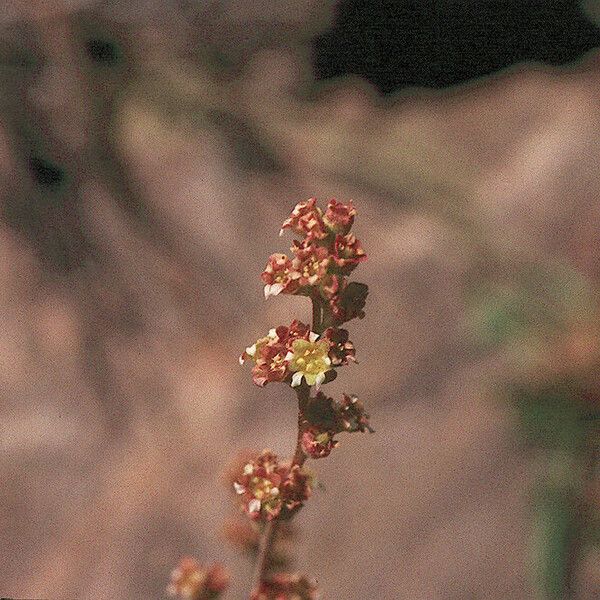
Often called the Littleleaf Alumroot, Heuchera parvifolia is a rugged mountain dweller native to the high altitudes of Western North America. Unlike its flashier, neon-colored cousins found in tropical garden displays, this species is a subtle masterpiece of survival, clinging to rocky cliffs and alpine meadows. It’s a favorite for "wild" gardens where understated elegance and extreme hardiness are the goals.
🔍 How to Identify
- 🍃 The Rosette: It grows in a tight, low-to-the-ground mound of heart-shaped or rounded leaves. Each leaf has shallow, scalloped lobes, giving it a dainty, ruffled appearance.
- 🌸 Airy Blooms: During the summer, it sends up slender, leafless stalks (scapes) that can reach 12–18 inches high. These hold clusters of tiny, bell-shaped flowers that range from a creamy white to a pale, yellowish-green.
- 🧶 Fuzzy Texture: If you look closely at the stems and the undersides of the leaves, you’ll notice fine, soft hairs. This "fuzz" helps the plant trap moisture and survive the drying winds of the Rocky Mountains.
🏡 In Your Garden
- 🪨 The Rock Specialist: This plant thrives in "lean" conditions. It prefers gritty, well-draining soil and is one of the few plants that can grow happily in the narrow cracks of a stone wall or a neglected rock garden.
- 💧 Avoid "Wet Feet": While it is remarkably drought-tolerant once established, it is highly susceptible to crown rot. To keep it happy, ensure the crown (where the leaves meet the roots) isn't buried in mulch or sitting in soggy soil.
⚠️ Safety & Toxicity
- ✅ Non-Toxic: Heuchera parvifolia is generally considered safe and non-toxic for humans, cats, and dogs.
- 🐾 Pet-Friendly: It is a worry-free choice for a backyard where curious pets might roam. However, because the leaves are somewhat leathery and tannin-rich, most animals will find them unappealing to eat.
✨ Fun Fact
The name "Alumroot" comes from the plant's medicinal past. The thick, woody roots are rich in tannins and were used by Indigenous North American tribes as a powerful astringent to stop bleeding and treat skin inflammations. It was essentially nature’s first-aid kit!

Detailed Care Instructions
| Humidity | Dry |
| Difficulty | Medium |
| Hibernation | Cold Period |
| Hardiness Zones | 4 - 9 |
To grow Heuchera Parvifolia plants, follow these steps:
- Choose a suitable location: Heuchera Parvifolia prefers partial shade to full shade conditions. Ensure the space receives dappled sunlight or filtered light, especially during the hottest part of the day. The soil should be well-draining and rich in organic matter.
- Prepare the soil: Incorporate compost or well-rotted manure into the planting area to improve soil fertility and drainage. Loosen the soil to a depth of about 12 inches.
- Planting: Dig a hole slightly larger than the plant's root ball. Gently remove the plant from its container and place it in the hole with the crown at ground level. Backfill the hole with soil, firming it gently around the roots.
- Watering: Water thoroughly after planting to settle the soil around the roots. Provide regular watering to keep the soil moist but not soggy. Avoid waterlogging, as Heuchera Parvifolia is susceptible to root rot.
- Mulching: Apply a layer of organic mulch around the plant to retain moisture, suppress weed growth, and insulate the soil. Avoid piling mulch against the crown, as it may lead to rot.
- Fertilizing: Apply a balanced slow-release fertilizer in early spring, following the package instructions. You can also feed the plant with a diluted liquid fertilizer every month during the growing season to promote healthy growth.
- Pruning: Trim off any dead or damaged leaves periodically. Regularly removing spent flower stalks can encourage more blooms.
- Division: Every few years, divide Heuchera Parvifolia plants to maintain their vigor and rejuvenate them. Dig up the clump in spring or fall, separate the plant into smaller sections, and replant them in suitable locations.
- Pest and disease control: Heuchera Parvifolia is generally resistant to pests and diseases. However, occasional issues may arise, such as aphids or fungal leaf spots. Inspect the plants regularly, and if necessary, treat them with organic or chemical controls specifically designed for the particular problem.
By following these steps, you can successfully grow Heuchera Parvifolia plants and enjoy their attractive foliage and flowers in your garden.

Place in a window with dappled sun or a spot in the middle of a room. Or directly in a window facing west or east.

To successfully water this type of plant, you will want to make sure that you are not watering too frequently or too much. This plant prefers well-draining soil and can be prone to root rot if kept too wet. Water deeply but infrequently, allowing the soil to mostly dry out between watering. When you do water, be sure to water the soil directly and avoid getting the leaves wet. Additionally, it's important to consider the climate and humidity of your location, as this can also impact how often you need to water. It's always better to err on the side of underwatering, as the plant can tolerate some drought better than too much moisture.
To fertilize Heuchera Parvifolia plants, follow these instructions:
- Choose a balanced, slow-release fertilizer with equal proportions of nitrogen (N), phosphorus (P), and potassium (K), such as a 10-10-10 or 20-20-20 formula.
- Apply the fertilizer in the spring, just as new growth begins to emerge. Avoid fertilizing during winter or in extremely hot weather.
- Before applying the fertilizer, water the plant thoroughly to ensure the soil is moist. This will help prevent root burn or nutrient imbalances.
- Sprinkle the recommended amount of fertilizer around the base of the plant, following the instructions on the package. Ensure that the fertilizer is spread evenly, but avoid contact with the leaves or stems.
- Gently work the fertilizer into the top inch of soil using a hand tool or a rake. Be careful not to damage the plant's shallow roots.
- After applying the fertilizer, water the plant again to help incorporate the nutrients into the soil and prevent any potential burning.
- Repeat the fertilization process once or twice throughout the growing season, following the package instructions and adjusting based on the plant's response and soil fertility. Avoid excessive fertilization, as it may lead to weak growth or increased susceptibility to pests and diseases.
Remember to always read and follow the specific instructions on the fertilizer package and consider the individual needs of your Heuchera Parvifolia plant based on your soil conditions and climate.
The Heuchera Parvifolia plant thrives in soil that is rich in organic matter. It prefers well-draining soil that is slightly acidic with a pH level of 5.5-6.5. The soil should be moist but not waterlogged, and it should retain moisture well. A mixture of peat moss, perlite, and vermiculite can provide the ideal growing medium for this plant. It also benefits from the addition of compost or aged manure to increase soil fertility. Soil that is compacted or heavy in clay should be amended with sand or grit to improve drainage. It is important to avoid using soil that has been treated with pesticides or herbicides, as this can harm the plant.
To propagate this plant, you will need to remove healthy leaves from the mother plant and use them to create new baby plants. This can be done by gently detaching a leaf from the main stem of the plant and ensuring that a small portion of the stem remains attached to the leaf. Place the leaf in a pot filled with moist, well-draining soil and cover it with a plastic bag or clear plastic wrap to create a humid environment. Keep the pot in a bright, indirect light and water it regularly, being careful not to overwater. In a few weeks, you should start to see new growth appearing from the base of the leaf, indicating that it has taken root and started to grow into a new plant. Once the new plant has grown enough to be handled, you can carefully transplant it into a larger pot or into the ground.








