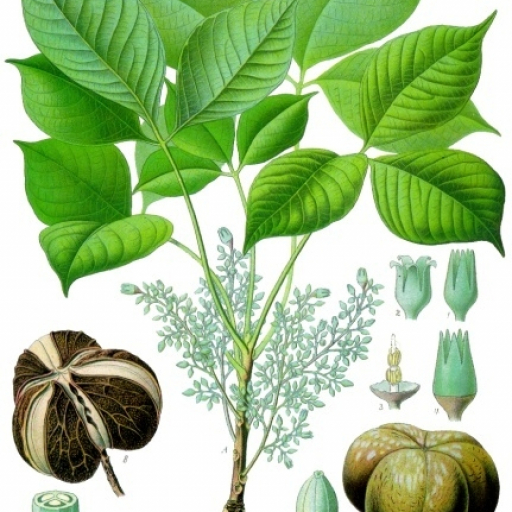
Plant Overview
Known globally as the "Para Rubber Tree," this Amazonian native is the silent engine of the modern world. While often confused with the common ornamental Ficus elastica, this true rubber tree is the primary source of the milky latex used to manufacture everything from tires to surgical gloves. It is a majestic tropical giant that carries a history of exploration, industrial revolution, and botanical intrigue in its veins.
🔍 How to Identify
- 🍃 Trifoliate Leaves: Unlike its thick-leaved cousins, this tree features elegant, compound leaves with three distinct leaflets that branch out from a single long stem.
- 🌫️ Smooth Grey Bark: The trunk is remarkably straight and cylindrical, covered in a smooth, silver-grey bark that "bleeds" white liquid if the surface is lightly scratched.
- 🌿 Spiral Growth Pattern: The foliage is arranged spirally around the branches, creating a delicate, airy canopy that allows dappled sunlight to reach the forest floor.
🏡 In Your Garden
- ☀️ Tropical Requirements: This is a true equatorial plant; it craves high humidity and consistent warmth. It will enter a state of shock and drop its leaves if temperatures dip below 50°F (10°C) for even a short period.
- 🌱 Taproot Sensitivity: Due to its deep-reaching taproot, the Rubber Tree hates being transplanted. If growing one in a container, choose a deep pot early on to avoid disturbing its sensitive root system as it matures.
⚠️ Safety & Toxicity
- 🚫 Latex Sensitivity: The milky sap is rich in natural rubber. It can cause contact dermatitis or severe allergic reactions (anaphylaxis) in individuals with known latex allergies.
- 🐾 Pet Safety: The plant is considered toxic to cats, dogs, and horses. Ingestion of the leaves or seeds can lead to gastrointestinal distress, while the sap can cause oral and skin irritation.
✨ Fun Fact
- 🏎️ The Great Seed Heist: In 1876, explorer Henry Wickham smuggled 70,000 rubber seeds out of Brazil to the Royal Botanic Gardens at Kew. These seeds eventually founded the massive rubber plantations of Southeast Asia, ending the Amazon’s global monopoly on rubber production.

Detailed Care Instructions
| Humidity | Normal |
| Lighting | Full Sun |
| Toxicity | Poisonous |
| Difficulty | Medium |
| Hibernation | Cold Period |
| Temperature | 18°C - 32°C |
| Hardiness Zones | 11 - 12 |
To grow Hevea Brasiliensis, which is commonly known as the rubber tree, here are some steps to follow:
- Climate: Rubber trees thrive in warm, tropical climates. They require a temperature range of 60 to 100°F (15 to 38°C) and high humidity.
- Soil: The ideal soil for rubber trees is well-draining, loamy soil rich in nutrients. Ensure the pH level is between 5.5 and 6.5, as rubber trees prefer slightly acidic soil.
- Planting: Start by obtaining rubber tree seeds or saplings from a reputable nursery. Dig a hole twice as wide and as deep as the rootball. Place the tree in the hole, backfill with soil, and pat it gently to remove any air pockets.
- Watering: Rubber trees require regular and consistent watering. Keep the soil evenly moist, but avoid overwatering, as it can lead to root rot. Rainwater or distilled water is best, as these plants are sensitive to chlorine and other chemicals commonly found in tap water.
- Light and Placement: Rubber trees prefer bright, indirect sunlight. Place them near a window where they can receive filtered or dappled light throughout the day. Avoid placing them in direct sunlight, as excessive exposure can scorch the leaves.
- Fertilizing: Feed your rubber tree with a balanced, liquid fertilizer during the growing season (spring and summer) every four to six weeks. Follow the instructions on the fertilizer packaging for the correct dosage.
- Pruning: Pruning is not necessary for rubber trees, but it can help promote a bushier growth pattern. Trim back any leggy or damaged branches to maintain an attractive shape.
- Pests and Diseases: Rubber trees are generally resistant to common pests, but keep an eye out for aphids, mealybugs, and spider mites. Treat any infestations promptly with organic or chemical insecticides. Leaf-spot diseases can occur in humid conditions, so ensure good airflow around the plant.
- Repotting: As rubber trees grow, they may require repotting into a larger container to accommodate their roots. Repot every two to three years, preferably during the spring.
- Patience and Maintenance: Rubber trees are slow-growing, so be patient with their growth rate. Regularly monitor and maintain proper watering, light levels, and temperature to ensure their health and vitality.
By following these steps and providing the right care, your Hevea Brasiliensis plant should thrive and grow into a beautiful rubber tree.

Place in a window with dappled sun or a spot in the middle of a room. Or directly in a window facing west or east.

To water this plant, it is important to consider the type of soil in which it is planted. The soil should be well-draining, but it should also retain some moisture. The plant should be watered deeply and slowly, so that the water reaches the roots. It is important not to over-water the plant, as this can lead to root rot and other problems. The frequency of watering will depend on the climate and the time of year. In hot weather, the plant may need to be watered more frequently, while in cooler weather, it may need less water. It is also important to not get water on the leaves of the plant, as this can lead to disease and other problems. Overall, watering this plant requires careful attention to its specific growing conditions.
To fertilize this plant, use a balanced fertilizer with an N-P-K ratio of 10-10-10. Apply the fertilizer every three months during the growing season, which is usually from spring to fall. Make sure to water the plant before and after fertilizing to avoid burning the roots. Avoid over-fertilizing as it can cause leaf burn and damage to the plant.
The best type of soil to use for Hevea Brasiliensis is one that is rich in organic matter and has a pH level between 5.5 and 6.5. The soil should have good drainage to prevent waterlogging and should be able to retain moisture without becoming waterlogged. It is also recommended to add fertilizers that are high in nitrogen, potassium and phosphorous to promote growth. Additionally, the soil should be well-aerated and free from weeds to encourage healthy root development.
Hevea Brasiliensis plant can be propagated through seeds or by vegetative means such as budding or grafting. For vegetative propagation, select a healthy and disease-free mother plant. Make a clean cut on the stem using a sharp knife. Remove the leaves on the lower part of the stem, leaving only a few at the top. Apply hormone rooting powder on the cut surface. Insert the stem into a potting mix that is kept moist. Keep the pot in a bright, warm place, but not under direct sunlight. Mist the cutting regularly to keep the humidity high. After a few weeks, the cutting should develop roots and can be transplanted into a larger container.








