Plant Overview
Often referred to as the Forest Mahogany or Kaphal, Heynea trijuga is a graceful evergreen tree native to the foothills of the Himalayas and the lush forests of Southeast Asia. It is a tree of quiet elegance, often found providing a dense, cooling canopy in mountain valleys. In many cultures, it is respected not just for its beauty, but for its role in traditional medicine, where its bitter bark and leaves have been used for generations to treat various ailments.
🔍 How to Identify
- 🍃 Lush Foliage: The leaves are "pinnate," meaning they grow in pairs along a central stem with a single leaf at the very tip. They have a polished, leathery texture and a vibrant deep green color.
- 🌸 Airy Blossoms: It produces clusters of tiny, star-shaped white or pale-cream flowers. These blooms are delicate and grow in loose, branched sprays that peek out from the dense leaves.
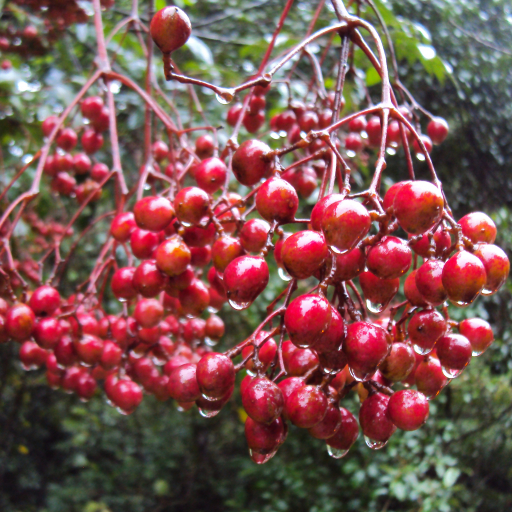
- 🍒 Split Fruit: The most recognizable feature is the fruit—small, round, reddish-brown capsules. When ripe, they split into two halves to reveal a striking white seed partially covered by a bright orange fleshy coat (aril).
🏡 In Your Garden
- 🌱 Root Stability: This tree develops a sensitive and deep taproot system. It strongly dislikes being moved once planted, so it is best to choose a permanent "forever home" in your garden where it has plenty of room to mature.
- 💧 Moisture Balance: While it enjoys the humidity of its native forest habitat, it requires excellent drainage. It thrives in loamy, slightly acidic soil that stays moist but never "swampy," mimicking the natural leaf-littered floor of a mountain forest.
⚠️ Safety & Toxicity
- 💊 Medicinal Caution: While various parts of the tree are used in folk medicine (particularly the bark for its cooling properties), it should never be ingested without professional guidance.
- 🐾 Pet & Child Safety: The bright red fruits and seeds can be attractive to curious pets or children. Ingestion can lead to digestive distress or more severe reactions due to the presence of potent alkaloids, so it is best kept as an ornamental plant out of reach of small explorers.
✨ Fun Fact
The wood of Heynea trijuga is exceptionally hard and durable. Because it belongs to the same botanical family as true Mahogany (Meliaceae), its timber was historically prized in rural Himalayan villages for crafting sturdy agricultural tools and handles that could withstand years of heavy use.

Detailed Care Instructions

Place in a window with dappled sun or a spot in the middle of a room. Or directly in a window facing west or east.

When the top few inches of soil dry out, water your plants. If the top few inches of soil are still moist, do not water your plant. Wait a few days, then poke your finger into the soil to see if anything has changed. Overwatering poses a disease risk, such as the development of fungal diseases in the roots. These plants have adaptations in there leaves that allow them to survive in low water supply.








