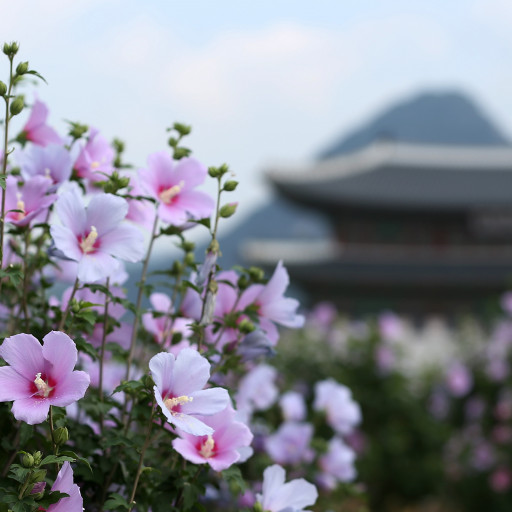
Plant Overview
Often called the Rose of Sharon or the Korean Rose, Hibiscus syriacus is the hardy cousin of the tropical hibiscus. Despite its name, it isn't a rose at all, but a resilient deciduous shrub that brings a splash of the tropics to temperate gardens. It is deeply cherished in East Asia, where it symbolizes "immortality" due to its ability to bloom tirelessly from midsummer until the first frost.
🔍 How to Identify
- 🌺 The Blooms: Large, trumpet-shaped flowers typically 3–4 inches wide. They feature a distinct, prominent central column of stamens and come in shades of white, pink, lavender, or blue, often with a contrasting "red eye" at the center.
- 🍃 The Foliage: Leaves are palmately veined, medium-green, and usually have three distinct lobes with "toothed" or serrated edges. They appear quite late in the spring, so don't worry if the branches look bare while others are leafing out!
- 🌳 Growth Habit: A multi-stemmed shrub with an upright, vase-like shape. It can reach heights of 8 to 12 feet, though it is often pruned into a smaller tree form.
🏡 In Your Garden
- ✂️ Pruning for Power: Because this plant blooms on "new wood" (growth from the current year), you can prune it heavily in late winter or early spring without losing flowers. In fact, pruning encourages larger blooms and keeps the shrub from becoming too "leggy."
- 🌡️ Hardiness & Resilience: Unlike its tropical relatives, the Rose of Sharon can survive freezing winters. It is famously "tough as nails," tolerating urban pollution, poor soil, and even short periods of drought once established.
- 💧 Drainage is Key: While it is adaptable, it hates "wet feet." Plant it in a spot where water doesn't pool, as soggy roots are one of the few things that can truly harm this sturdy survivor.
⚠️ Safety & Toxicity
- 🐾 Status: Generally considered non-toxic to humans, but listed as mildly toxic to dogs and cats by some veterinary organizations.
- 🤢 Details: If ingested in large quantities by pets, it can cause digestive upset, including vomiting or diarrhea. It is best kept as an ornamental plant out of reach of curious nibblers.
✨ Fun Fact
In South Korea, Hibiscus syriacus is the national flower, known as Mugunghwa. The name translates roughly to "eternal blossom that never fades," representing the resilience and enduring spirit of the Korean people.

Detailed Care Instructions
This shrub can tolerate a variety of growing conditions and doesn't need much maintenance. Pruning to keep the shrub's desired shape and to limit its spread is often the task that takes the most time.
How fast does rose of Sharon grow?
Rose of Sharon has a moderate growth rate, gaining about one to two feet per year.
Can rose of Sharon grow indoors?
The small rose of Sharon varieties can be grown in containers indoors; however, they need good air circulation and direct sunlight to thrive. So it's best to bring your plant outdoors during the warmer months.
| Color | White, Red, Lavender, Or Light Blue |
| Soil Ph | Acidic To Slightly Alkaline |
| Lighting | Full Sun |
| Soil Type | Rich And Moist |
| Bloom Time | Late Summer, Early Fall |
| Plant Type | Deciduous Shrub |
| Mature Size | 8 To 10 Feet Tall With Widths Half That |
| Native Area | China, India |
| Sun Exposure | Full Sun To Partial Shade |
| Hardiness Zones | 5 To 9 |
To grow a Hibiscus Syriacus plant, also known as the Rose of Sharon, follow these steps:
- Choose a sunny location: Hibiscus Syriacus requires at least six hours of direct sunlight per day. Select a spot in your garden that receives full sun.
- Prepare the soil: Ensure that the soil is well-draining and rich in organic matter. If the soil in your garden is heavy clay or lacks nutrients, consider amending it with compost or well-rotted manure.
- Dig a hole: Dig a hole that is 2-3 times wider and slightly deeper than the root ball of the Hibiscus Syriacus plant. This will give the roots room to spread.
- Plant the Hibiscus Syriacus: Gently loosen the roots of the plant before placing it in the prepared hole. Position the plant so that the top of the root ball is level with the surrounding soil. Backfill the hole with soil, gently firming it around the plant.
- Water thoroughly: After planting, water the Hibiscus Syriacus deeply to ensure the soil settles around the roots. Continue watering regularly, keeping the soil evenly moist but not waterlogged. Water deeply rather than frequently, allowing the top few inches of soil to dry out slightly between waterings.
- Mulch: Apply a layer of organic mulch around the base of the plant, leaving a gap around the stem to prevent moisture buildup. Mulching helps retain soil moisture, suppresses weeds, and provides insulation.
- Prune when necessary: Prune the Hibiscus Syriacus plant in late winter or early spring, before new growth appears. Remove any dead or diseased branches and trim the plant into a desired shape. Regular pruning will help maintain a compact and bushy habit.
- Fertilize: Feed the Hibiscus Syriacus plant with a balanced slow-release fertilizer in early spring and again in mid-summer. Follow the instructions on the fertilizer package for proper application.
- Watch for pests and diseases: Monitor the plant for common pests like aphids, spider mites, and whiteflies. Treat any infestations promptly with insecticidal soap or other appropriate treatments. Additionally, keep an eye out for diseases like leaf spot or powdery mildew and take necessary measures to prevent or treat them.
By following these steps and providing appropriate care, your Hibiscus Syriacus plant should thrive and reward you with beautiful blooms.

Place in a window with dappled sun or a spot in the middle of a room. Or directly in a window facing west or east.

Hibiscus Syriacus is a plant that requires regular watering in order to thrive. The plant prefers moist but well-draining soil, so it's important to water it deeply but not too frequently. One way to make sure the soil is moist enough is to stick your finger about an inch into the soil. If it feels dry, then it's time to water. When watering, make sure to pour the water directly onto the soil and avoid getting water on the leaves. This will help prevent fungal diseases. Be careful not to overwater the plant, as this can lead to root rot. In general, it's better to underwater than overwater. During the summer months, the plant may require more frequent watering due to the higher temperatures and increased evaporation. Finally, it's important to mulch the area around the plant to retain moisture and regulate soil temperature.
To fertilize this plant, use a balanced fertilizer, such as a 10-10-10 or 20-20-20 formula. Apply the fertilizer once a month during the growing season, which is typically from spring to fall. Be sure to water the plant before and after fertilizing to avoid stressing the roots. Avoid fertilizing during periods of drought or extreme heat as this may cause damage to the plant. Monitor the plant for signs of over-fertilization, such as burnt or yellowed leaves, and adjust the amount of fertilizer accordingly.
The ideal soil for Hibiscus Syriacus plant should be well-draining and fertile. It should be composed of a mixture of organic matter such as compost, peat moss, and leaf mold. The soil pH should be around 6.0 to 7.0, slightly acidic to neutral. A sandy loam or loamy soil would be most suitable for the plant, as it allows for proper root development and good water drainage. It is important to avoid soils that are too heavy or clayey, as they can retain water and lead to root rot. Additionally, regular fertilization with a balanced fertilizer can help to ensure optimal growth and blooming of the plant.
In order to propagate this particular type of plant, you will first need to take a cutting from the existing plant. This cutting should be a branch that is at least six inches long with several leaves attached.
Once you have your cutting, remove any leaves that are towards the bottom of the stem and dip the cut end into rooting hormone. This will encourage the cutting to grow roots.
Next, plant the cutting in a pot filled with potting soil. Be sure to keep the soil moist but not waterlogged. The plant should be kept in a warm and well-lit area, but not in direct sunlight.
Over time, the cutting should grow roots and begin to sprout new leaves. Once the plant is well-established, it can be transplanted into a larger pot or into the ground.
Common pests of the rose of sharon include Mealybugs, spider mites, fungus gnats, aphids, thrips. Make a habit of checking your rose of sharon frequently for pests so that any infestations can be caught and managed early.








