Plant Overview
Known as Sweetgrass, Holy Grass, or Vanilla Grass, this aromatic perennial is steeped in history and spirituality. For centuries, it has been braided and burned as incense in Indigenous North American ceremonies and strewn across European church doorsteps to release its vanilla-like scent when stepped upon. It is a hardy, moisture-loving grass that brings a sense of ancient peace to any garden.
🔍 How to Identify
- 🍃 Glossy Foliage: The leaves are flat, hairless, and have a vibrant, glossy green upper surface that catches the light beautifully.
- 💜 Purple Base: One of the most distinctive ID features is the base of the stems, which usually shows a vivid purple or reddish hue near the soil line.
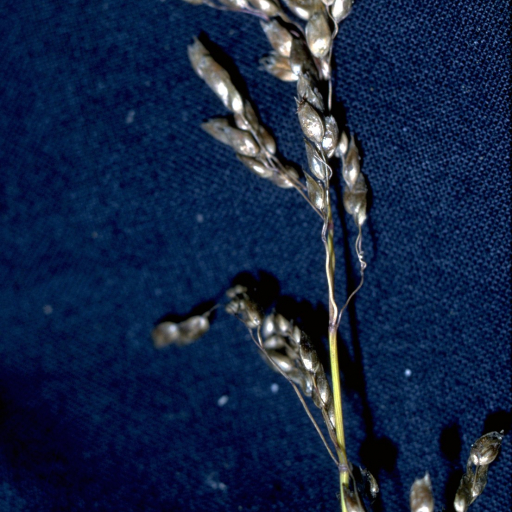
- 🌾 Bronze Panicles: In late spring, it produces delicate, airy clusters of bronze-colored flowers that shimmer in the wind, though it is primarily grown for its fragrant blades.
🏡 In Your Garden
- 💧 The "Wet Feet" Rule: Unlike many ornamental grasses that prefer dry plains, Sweetgrass thrives in "wet feet." It naturally grows in meadows and marshes, so keep the soil consistently moist or plant it near a pond edge.
- 🌱 Rhizome Runner: This plant spreads through underground runners (rhizomes) rather than clumps. If you don't want it taking over your flower bed, consider planting it in a large sunken container or a dedicated "wild" patch.
- ✂️ Harvesting for Scent: To capture its famous vanilla aroma, the grass should be harvested in summer and dried. The scent is actually caused by coumarin, which becomes much stronger once the plant begins to wilt or dry.
⚠️ Safety & Toxicity
- ✅ Safe for Contact: Sweetgrass is non-toxic to touch and is widely used for weaving and aromatic purposes.
- 🐾 Pet & Livestock Note: While generally safe, the chemical coumarin acts as a natural blood thinner. While small nibbles by a cat or dog are usually harmless, it should not be a primary food source for grazing livestock, as it can cause health issues in very high quantities.
✨ Fun Fact
The name Hierochloe literally translates from Greek as "Holy Grass" (hieros = holy, chloe = grass). In the Middle Ages, it was a "strewing herb" used to perfume the air inside stone cathedrals during festivals!

Detailed Care Instructions
To grow Hierochloe odorata, also known as sweet grass or holy grass, follow these steps:
- Choose the right location: Hierochloe odorata prefers full sun to partial shade. It grows best in moist, well-draining soil. Select an area in your garden that meets these conditions.
- Prepare the soil: Loosen the soil in the planting area using a garden fork or tiller. Remove any weeds or rocks. Add organic matter such as compost or well-rotted manure to improve the soil's fertility and drainage.
- Planting: Plant the Hierochloe odorata plugs or divisions in the prepared soil. Place them at a spacing of about 12-18 inches apart, gently pressing the soil around the roots. Water the newly planted grass thoroughly.
- Watering: Keep the soil evenly moist, especially during the establishment period. Although Hierochloe odorata prefers moist conditions, avoid overwatering, as it may lead to root rot.
- Mulching: Apply a layer of organic mulch, such as straw or wood chips, around the plant to help retain moisture, suppress weeds, and insulate the roots.
- Fertilizing: Hierochloe odorata generally doesn't require excessive fertilization. However, you can apply a balanced, slow-release fertilizer in the spring if desired. Follow the package instructions for application rates.
- Care and maintenance: Once established, Hierochloe odorata requires minimal care. Regularly remove any weeds or unwanted vegetation that may compete for nutrients and space. In regions with harsh winters, you may need to protect the roots by insulating them with a layer of mulch or straw.
- Harvesting: Hierochloe odorata is often harvested for its sweet scent, used in traditional ceremonies or for making crafts. To harvest, cut the grass in early summer when it reaches a height of about 6-8 inches. Tie the cut grass into small bundles and hang them to dry in a dark, well-ventilated area.
Remember to check if Hierochloe odorata is native to your region or consider growing it indoors in containers if your climate doesn't support its growth.
To properly water this plant, it is important to first determine its water requirements based on factors such as its environment, soil composition, and stage of growth. One general rule of thumb is to provide regular, moderate watering that allows for proper drainage and prevents the soil from becoming too dry or waterlogged. It may be helpful to monitor the moisture level of the soil using a soil moisture meter or by manually checking the top few inches of soil for dryness. It is also important to avoid getting water on the leaves or flowers, as this can lead to disease or damage. Some gardeners may choose to water using a drip irrigation system or a watering can with a narrow spout to ensure precise and gentle application. Overall, understanding the specific needs and preferences of this plant can help ensure that it receives appropriate and consistent watering.
The plant should be fertilized twice a year, in early spring and late summer. Use a high-quality, slow-release fertilizer with a balanced NPK ratio. Apply the fertilizer evenly around the base of the plant and water thoroughly to ensure the nutrients penetrate the soil. Avoid over-fertilizing, as this can lead to weak growth and susceptibility to disease and pests.
The Hierochloe Odorata plant prefers to grow in well-draining, nutrient-rich soil that is slightly acidic to neutral. It thrives in soils with a pH range between 5.5 and 7.5. The ideal soil type for Hierochloe Odorata is loam, which is a combination of sand, silt, and clay in roughly equal proportions. Loam soil has excellent water retention capacity while allowing good aeration and drainage. To improve the soil structure, you can mix in organic matter such as compost, leaf mold, or well-rotted manure. Avoid using soil that is too compacted, as this can inhibit the plant's growth and lead to root rot. Additionally, it is recommended to avoid using soil that is contaminated with pollutants or heavy metals, as this can have negative effects on the plant's health.
To propagate this plant, you will need to take cuttings from healthy stems. Make sure the stems are not too young or too old. You can sanitize your cutting tools before making the cut to prevent any disease.
Cut the stems at an angle with a clean cut. Remove any leaves from the lower half of the stem. Dip the cut end in rooting hormone powder and place it in a pot with moist potting soil.
Make sure the stem is entirely buried in the soil, leaving only a few leaves above the soil. Place the pot in a warm, well-lit area, but avoid direct sunlight. Keep the soil moist but not wet.
The plant should root within four to six weeks. You can then transplant it to a larger pot or into the ground. Be patient and careful with the new plant, and it will grow into a healthy plant.








