Plant Overview
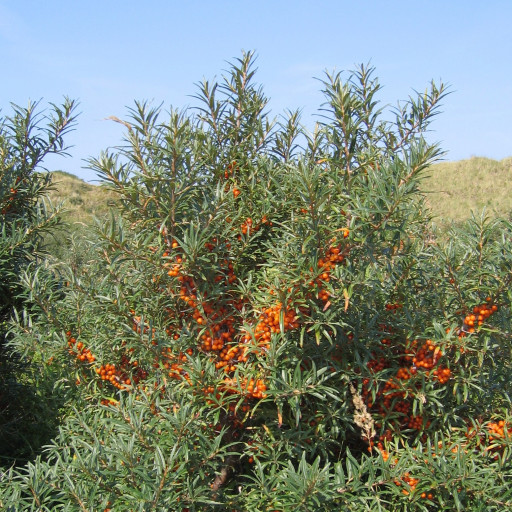
Often called the "Lemon of the North" or the "Holy Fruit of the Himalayas," Sea Buckthorn is a rugged, ancient survivor that thrives where other plants give up. Known for its brilliant, glowing orange berries and silvery foliage, it has been used for centuries in traditional medicine and is a modern "superfood" darling. This plant is as tough as it is beautiful, frequently found clinging to wind-swept coastal dunes or rocky mountain slopes.
🔍 How to Identify
- 🌿 The Foliage: Look for long, narrow, lance-shaped leaves that are a distinct silvery-greyish green. They resemble willow leaves but have a dusty, metallic sheen on the underside.
- 🟠 The Berries: In late summer and autumn, the branches become crowded with tight clusters of round, bright orange fruits. These berries hug the stem closely, often staying on the plant well into winter.
- 🌵 The Thorns: Be careful when reaching in—the branches are armed with incredibly sharp, stiff thorns that serve as a natural defense against foraging animals.
🏡 In Your Garden
- ☀️ Sun Worshipper: This plant is "shade-intolerant." It needs a spot with full, direct sun to produce its famous berries; even partial shade can cause it to become spindly and weak.
- 🌬️ A Social Plant: Sea Buckthorn is dioecious, meaning individual plants are either male or female. If you want a harvest, you must plant at least one male "pollinator" for every six to eight female "berry-producers."
- 🌱 Soil Improver: It possesses a hidden superpower—it "fixes" nitrogen in the soil through its roots. This allows it to grow in poor, sandy, or salty soils where nothing else will survive, making it excellent for preventing erosion.
⚠️ Safety & Toxicity
- ✅ Status: Generally safe and highly nutritious.
- 🧤 Physical Hazard: While the berries are edible and packed with Vitamin C, the plant itself is a "look but don't touch" specimen without gloves. The thorns are long and can cause painful puncture wounds or skin irritation if you aren't careful during pruning or harvesting.
- 🐾 Pets: It is considered non-toxic to dogs and cats, though the sharp thorns pose a physical risk to curious pets.
✨ Fun Fact
The genus name Hippophae literally translates to "shiny horse." In ancient Greece, the leaves and branches were fed to horses to help them gain weight and give their coats a legendary, glossy sheen.

Detailed Care Instructions
To grow Hippophae rhamnoides, or sea buckthorn plant, follow these steps:
- Choose a suitable location: Select a site with full sun exposure, as sea buckthorn plants thrive in bright sunlight. Ensure the soil is well-drained and has good fertility.
- Obtain sea buckthorn plants: Either purchase young sea buckthorn plants from a reputable nursery or propagate them from seeds or cuttings.
- Prepare the soil: Before planting, ensure the soil is loose and has good drainage. Remove any weeds or large rocks from the area. If the soil is heavy or clayey, amend it with organic matter like compost or well-rotted manure to improve drainage and fertility.
- Planting: Dig a hole slightly larger than the root ball of the sea buckthorn plant. Place the plant in the hole, cover the roots with soil, and gently firm down the soil around the base of the plant. Space the plants about 6-10 feet apart, as they can grow quite large.
- Watering: Water the newly planted sea buckthorn thoroughly and regularly until it becomes established. Afterwards, water deeply once a week during dry spells or as needed.
- Mulching: Apply a layer of organic mulch around the base of the plants to conserve moisture, suppress weed growth, and provide insulation.
- Pruning: Sea buckthorn plants respond well to pruning. Prune out any dead, damaged, or crossing branches during late winter or early spring. This will help maintain the plant's shape, control its size, and promote overall health.
- Fertilizing: Sea buckthorn plants are generally low-maintenance and do not require heavy fertilization. However, if the soil is poor, you can apply a balanced organic fertilizer in early spring to provide nutrients.
- Protection from pests and diseases: Sea buckthorn plants are relatively resistant to pests and diseases. However, keep an eye out for aphids, spider mites, or fungal infections. Control these issues using appropriate organic methods like insecticidal soap or neem oil.
- Harvesting: Sea buckthorn fruits are usually ready for harvest in late summer or early autumn. Wait until they are fully ripe and then gently shake the branches or use pruning shears to collect the berries. Use gloves during harvesting, as the plants have thorny branches.
- Enjoy the benefits: Sea buckthorn berries are nutritious and can be used to make juice, jams, jellies, or incorporated into various recipes. Additionally, the plant's leaves and oils have potential health and skincare benefits.
Remember to check your local regulations before growing sea buckthorn, as it may be considered an invasive species in some areas.

Place in a bright room that is sun drenched almost all day. Or directly in a south-facing window.

To effectively water this plant, you will need to consider the soil type and temperature of its environment. It is best to water the plant deeply and infrequently, rather than frequently and shallowly. The soil should be moist, but not waterlogged. If the soil is clay-like, ensure that the water penetrates evenly and slowly. If the soil is sandy, it may require more frequent watering. It is also important to avoid watering the foliage and instead aim for the base of the plant. During warmer months, it may require more frequent watering, while in cooler months, you may need to cut back on watering. Overall, the goal is to keep the plant well-hydrated without causing water stress or waterlogging.
For optimal growth of this plant, it is recommended to fertilize it during the spring. Use a balanced fertilizer with equal parts of nitrogen, phosphorus, and potassium. Apply the fertilizer evenly around the root zone of the plant and water thoroughly after fertilizing. Avoid over-fertilizing, as it can lead to excessive growth and lower fruit quality.
For optimal growth and health of this particular plant species, it is recommended to use a well-draining soil that is rich in organic matter and nutrients. The soil should have a pH level of around 6.0 to 7.5, and should have good water retention capabilities to prevent the plant from drying out. Light, sandy soils with good drainage are ideal, as they allow for adequate aeration and root development. Additionally, it is important to ensure that the soil is free from any pathogens or pests that may harm the plant. Regular fertilization and mulching may also be necessary to maintain the plant's overall health and vigor.
To propagate this plant, take a cutting from a mature, healthy stem in the spring or early summer.
- First, select a stem that is at least 6 inches long and make a clean cut with a sharp knife or pruning shears. Make the cut just below a leaf node.
- Remove the lower leaves from the stem, leaving only the top few leaves.
- Dip the cut end of the stem in a rooting hormone powder or gel to encourage root growth.
- Plant the cutting in well-draining soil, making sure to keep the soil moist but not waterlogged. You can also cover the cutting with a plastic bag or dome to help maintain humidity and promote root growth.
- Keep the cutting in a warm, bright location but out of direct sunlight until roots start to develop. This can take several weeks.
- Once roots have formed, you can transplant the new plant to its permanent location in a sunny and well-draining spot.
- Continue to keep the soil moist but not waterlogged and fertilize regularly.
With proper care, your new Hippophae Rhamnoides plant should thrive and grow into a healthy mature plant.
Common pests of the sea-buckthorn include Scale insect, mealybugs. Make a habit of checking your sea-buckthorn frequently for pests so that any infestations can be caught and managed early.








