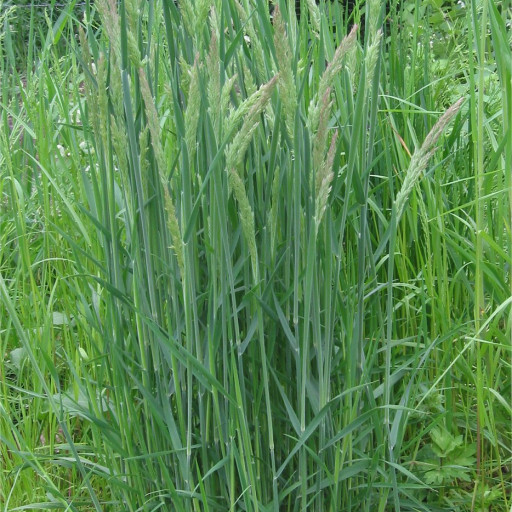
Plant Overview
Often called "Yorkshire Fog" or "Velvet Grass," this plant is a soft, romantic addition to wild meadows and rural roadsides. It gets its name from the fine, downy hairs that cover its leaves, making them feel like expensive velvet between your fingers. While some gardeners view it as a persistent weed in manicured lawns, its ethereal, misty appearance when in full bloom has a unique, rustic charm.
🔍 How to Identify
- 🌿 Velvety Texture: Both the leaves and the stems are covered in dense, soft hairs, giving the plant a distinct grey-green or "frosted" appearance.
- 🌸 Misty Plumes: The flower heads are large, feathery clusters that shift from pale green to a soft pinkish-purple as they mature, creating a "foggy" look over a field.
- 🦓 The "Striped Pajamas": If you pull back the leaves at the very base of the plant, you will see white sheaths marked with distinct pink or purple vertical stripes.
🏡 In Your Garden
- 💧 Moisture Indicator: This grass loves damp, heavy clay or poorly drained soil. If you see it thriving, it’s a good sign that your garden holds onto a lot of water.
- 🌾 Meadow Maker: It is a fantastic choice for "wilding" a corner of your yard. It provides excellent cover for small insects and adds a soft, moving texture to the landscape when caught in the wind.
- ✂️ Growth Habit: Because it spreads easily through both seeds and creeping roots, it can be aggressive. If you want to keep it contained, it is best to mow it before the "foggy" seed heads turn brown and begin to drop.
⚠️ Safety & Toxicity
- ✅ Safe for Pets: Yorkshire Fog is generally considered non-toxic to dogs, cats, and horses. Many grazing animals actually find the soft texture quite palatable.
- 🤧 Allergy Alert: Like many wild grasses, it is a heavy pollen producer during the summer months. Those with hay fever may find their symptoms flare up when this grass is in bloom.
✨ Fun Fact
- ☁️ The common name "Yorkshire Fog" doesn't refer to the weather in northern England, but rather the way a field of this grass looks from a distance—like a low-lying, silvery mist hovering just above the ground.

Detailed Care Instructions
To grow Holcus Lanatus, also known as Yorkshire fog or velvet grass, you can follow these steps:
- Choose a suitable location: Holcus Lanatus prefers moist to wet soil conditions and thrives in full sun or partial shade. Select a site that receives at least 4-6 hours of direct sunlight per day.
- Prepare the soil: Clear the area of any weeds or debris. Loosen the soil using a garden fork or tiller to a depth of 6-8 inches. Incorporate organic matter like compost or well-rotted manure to improve soil fertility and drainage.
- Sow the seeds: Holcus Lanatus can be planted from seeds. Scatter the seeds evenly over the prepared soil surface. Lightly rake the seeds into the soil, ensuring good seed-to-soil contact.
- Water the seeds: Gently water the seeded area using a fine mist or a sprinkler to avoid displacing the seeds. Keep the soil consistently moist by watering regularly, especially during dry periods. Avoid over-watering, as it can lead to fungal diseases.
- Maintain the plant: Once the seedlings emerge, thin them out so that they are spaced about 6-8 inches apart. This will allow them to have enough room to grow and reduce competition. Keep an eye out for pests and diseases and take appropriate measures if necessary.
- Fertilize: Apply a slow-release fertilizer in spring to provide the necessary nutrients for healthy growth. Follow the instructions on the fertilizer packaging for the recommended dosage.
- Weed control: Regularly inspect the planting area for weeds and remove them promptly. Weeds can compete with Holcus Lanatus for resources and impede its growth.
- Prune and divide (optional): If the plant becomes too dense or starts to lose vigor, you can prune it back in spring or early summer. Dividing the plant every few years can also help rejuvenate it and promote its growth.
Remember, Holcus Lanatus is considered a weed in some regions and can become invasive. Consult with local agricultural or gardening authorities to ensure it is suitable for your location and doesn't pose a risk to native plants.

Place in a bright room that is sun drenched almost all day. Or directly in a south-facing window.

The watering requirements for this particular plant vary depending on the weather and the soil it is planted in. However, as a general rule, it should be watered regularly during the growing season, especially during dry spells.
To ensure that the soil is moist enough, it is recommended to water deeply once or twice a week rather than applying frequent light watering. When watering, it is best to pour the water at the base of the plant, allowing it to soak into the soil to reach the roots.
It is important not to overwater the plant, as this can lead to root rot or other types of issues. Also, avoid getting the foliage wet as this can promote fungal growth and other diseases.
During the dormant season, watering should be reduced or even stopped altogether. However, if the soil becomes extremely dry, it may be necessary to provide some supplemental water to prevent damage to the roots.
To fertilize the Holcus Lanatus plant, follow these instructions:
- Start fertilizing in early spring, when new growth emerges.
- Choose a balanced, slow-release fertilizer with a ratio of 10-10-10 or similar.
- Dilute the fertilizer according to the package instructions.
- Apply the fertilizer around the base of the plant while avoiding direct contact with the leaves.
- Use a garden fork or your hands to gently work the fertilizer into the top inch of soil.
- Water the plant thoroughly after fertilizing to ensure the nutrients reach the roots.
- Repeat the fertilization process every 4-6 weeks during the plant's active growing season.
- Reduce or stop fertilizing during late summer and fall to allow the plant to prepare for dormancy.
- Monitor the plant for signs of nutrient deficiency or excess, such as yellowing or browning leaves.
- Adjust the fertilizer application as needed based on the plant's response and the soil's nutrient levels.
Holcus Lanatus plant requires well-draining soil that is rich in nutrients. A soil mixture with equal parts of sand, loam, and peat moss can provide good drainage while also retaining enough moisture for the plant to thrive. The pH level of the soil should be slightly acidic, ranging from 5.5 to 6.5. It is recommended to add organic matter such as compost or aged manure to the soil to enrich it further. Additionally, the plant prefers soils that are aerated and loose, which can be achieved by adding perlite or vermiculite to the soil mixture. Overall, the ideal soil for Holcus Lanatus plant should be well-draining, nutrient-rich, aerated, and slightly acidic.
Holcus lanatus, commonly known by various common names, is a perennial grass species that belongs to the Poaceae family. It is native to Europe, North Africa, and parts of Asia. This plant can be propagated through several methods, including seed germination and division.
- Seed Germination:
- Collect mature seeds from the Holcus lanatus plant. These seeds are usually small and light.
- Prepare a seed tray or small pots with a well-draining growing medium. It is recommended to use a mix of compost and coarse sand.
- Sow the seeds thinly on the surface of the growing medium and lightly cover them with a thin layer of the same medium.
- Water the seeds gently to keep the growing medium moist but not overly saturated.
- Place the seed tray or pots in a warm, well-lit area with indirect sunlight. Avoid exposing them to direct sunlight, as it may be too intense for the young seedlings.
- Keep the growing medium consistently moist, and the seeds will typically germinate within 2-3 weeks.
- Once the seedlings have developed a few true leaves, they can be transplanted into larger pots or directly into the desired outdoor location.
- Collect mature seeds from the Holcus lanatus plant. These seeds are usually small and light.
- Division:
- Choose an established Holcus lanatus plant with multiple clumps or rhizomes.
- Prepare the new planting area by loosening the soil and removing any weeds or rocks.
- Carefully dig up the plant, making sure to preserve the root system as much as possible.
- Gently separate the clumps or rhizomes into smaller sections using a sharp and clean garden knife or spade.
- Each divided section should have a well-developed root system and some foliage.
- Plant the divided sections in the prepared area, making sure to space them appropriately to allow for their future growth.
- Water the newly planted sections thoroughly to settle the soil and promote root establishment.
- Mulch the area around the plant to reduce competition from weeds and help retain moisture.
- Regularly water the newly divided sections to ensure they remain hydrated until they establish themselves.
Remember, Holcus lanatus, like any other plant, may have specific requirements and preferences for optimal growth. It is essential to research and understand its cultivation needs, including sunlight, water, and soil requirements.
- Choose an established Holcus lanatus plant with multiple clumps or rhizomes.








