Plant Overview
Often called the "Queen of the Shade," Hostas are the reliable backbone of any woodland garden. Known as the "Friendship Plant" because they are so easy to divide and share with neighbors, these lush perennials transform dark corners into vibrant tapestries of green, gold, and blue. Originally from East Asia, they have become a staple for gardeners who want high-impact foliage with minimal fuss.
🔍 How to Identify
- 🍃 Diverse Foliage: Their leaves are the main attraction, ranging from tiny "mouse-ear" shapes to massive, dinner-plate-sized hearts. The texture can be smooth, waxy, or deeply "puckered" like hammered metal.
- 🎨 Painted Patterns: Look for striking variegation. Many varieties feature creamy white or chartreuse margins that contrast sharply against dark forest green or powdery blue-gray centers.
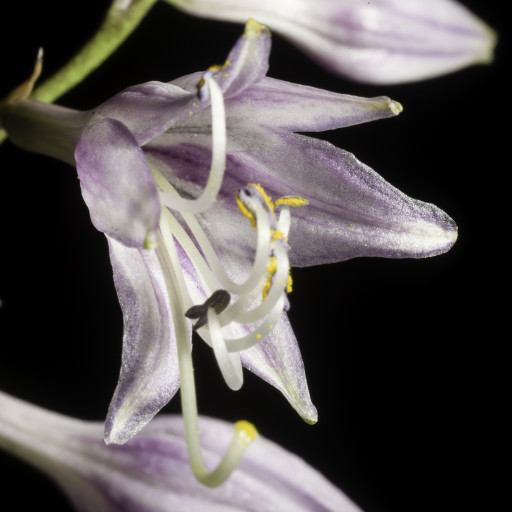
- 🔔 Bell-Shaped Blooms: In mid-to-late summer, they send up tall, leafless stalks (scapes) topped with clusters of lavender or white flowers that are highly attractive to hummingbirds.
🏡 In Your Garden
- ☁️ The Shade Strategy: Hostas thrive in dappled light because their broad leaves act like large solar panels. Direct afternoon sun will "scorch" the leaves, turning the beautiful edges brown and crispy.
- 🐌 The Slug Struggle: Their succulent, moisture-rich leaves are like a buffet for slugs and snails. If you notice jagged holes in the centers of leaves, you may need to use grit or copper tape to protect them.
- 🪴 Low-Maintenance Longevity: These are "set it and forget it" plants. They are incredibly long-lived and rarely need replacing; in fact, they often look better and more structural as they age over a decade or more.
⚠️ Safety & Toxicity
- 🐾 Toxic to Pets: Hostas contain saponins, which are toxic to dogs, cats, and horses.
- 🤢 Symptoms: If a pet munches on the leaves or roots, they may experience vomiting, diarrhea, or physical distress. It is best to plant them in areas where pets don't typically dig or graze.
✨ Fun Fact
In Japan, certain species of Hosta (known as Urui) are actually grown as a delicacy! The young, emerging spring shoots are harvested, boiled, or fried in tempura for a taste similar to asparagus or snap peas.

Detailed Care Instructions
If you love the pale coloration of the plantain lily but have a sunny lawn, you might enjoy lamb's ear (Stachys byzantina). Its soft, fuzzy foliage is a light silvery-white, and unlike the white feather lily, lamb's ear will thrive in full sun.
Can I grow white feather plantain lilies indoors?
Though traditionally grown outside, any kind of hosta (including the white feather lily) can thrive as a houseplant if it is given an annual dormant period in chilled temperatures.
Does the white feather plantain lily have flowers?
While this plant can produce flowers in late summer, most people cut the stems before blooming to encourage more vigorous growth of the beautiful foliage for which the lily is famous.
| Humidity | Normal |
| Lighting | Part Sun |
| Difficulty | Easy |
| Hibernation | Cold Period |
| Hardiness Zones | 3A - 9B |
To grow a hosta plant, follow these steps:
- Choose a suitable location: Hostas prefer partial to full shade, although some varieties can tolerate more sun. Ensure the location has well-draining soil that is rich in organic matter.
- Prepare the soil: Amend the soil with compost or aged manure to improve fertility and drainage. Remove any weeds or grass from the planting area.
- Select the right hosta variety: There are various hosta cultivars to choose from, each with unique characteristics such as leaf color, size, and shape. Consider the size of your garden and the overall design when selecting a variety.
- Plant the hosta: Dig a hole slightly larger than the root ball of the hosta. Place the plant in the hole, ensuring that the crown is level with the soil surface. Backfill the hole with soil, gently firming it around the roots.
- Water thoroughly: After planting, give the hosta a deep watering to help settle the soil and encourage root establishment. Water the plant regularly, keeping the soil consistently moist but not waterlogged.
- Mulch: Apply a layer of organic mulch, such as wood chips or shredded bark, around the base of the plant to retain moisture, suppress weeds, and provide insulation.
- Fertilize: Hostas benefit from yearly fertilization in the spring with a slow-release organic fertilizer or an all-purpose balanced fertilizer. Follow the package instructions for application rates.
- Maintenance: Hostas require minimal maintenance but may need occasional division every few years to prevent overcrowding. Remove any dead or damaged leaves and regularly check for pests or signs of disease.
By following these steps, you can successfully grow a hosta plant and enjoy its lush foliage in your garden.

Place in a window with dappled sun or a spot in the middle of a room. Or directly in a window facing west or east.

To properly water Hosta plants, it is important to ensure that the soil remains moist but not waterlogged. Over-watering can lead to root rot and other issues.
One method of watering Hosta plants is to use a watering can or hose nozzle to slowly apply water at the base of the plant, taking care to avoid getting water on the leaves or crown. This will help to prevent the development of fungal diseases.
Another technique is to use a soaker hose or drip irrigation system to deliver water directly to the soil. This method helps to ensure that water is being absorbed by the roots, instead of running off or evaporating before it can be taken up by the plant.
It is also important to water Hosta plants deeply and infrequently, rather than giving them frequent shallow waterings. This encourages the roots to grow deeply into the soil and become more resilient to drought conditions.
Ultimately, the frequency and amount of water needed for Hosta plants will depend on various factors such as soil type, weather conditions, and the size and age of the plant. It is important to monitor the soil moisture level and adjust watering accordingly.
Apply a slow-release fertilizer, such as a 10-10-10 or 14-14-14 blend in early spring before new growth appears. Use a balanced liquid fertilizer once every three weeks during the growing season. Avoid fertilizing in late summer and fall as it may encourage new growth that will not have enough time to harden off before winter.
The best type of soil for Hosta plants is loose and well-draining, with a pH level between 6.0 and 7.5. It should be rich in organic matter and have good water-holding capacity. Adding compost, well-rotted manure, or peat moss can improve soil structure and fertility. It's important to avoid using heavy clay soils or soil with poor drainage, as this can lead to root rot and disease. If planting Hostas in containers, a well-draining potting mix with added perlite or vermiculite is recommended.
To propagate this plant, you will need to identify a mature plant with healthy foliage, which can be used as the parent plant. You can then choose between the vegetative and sexual methods of propagation.
For vegetative propagation, select a stem with multiple leaves and cut it at the base. Ensure that the stem is around 4 inches long and has at least two healthy leaves attached. Trim the leaves on the bottom of the stem and dip the cut end in rooting hormone powder. Plant the stem in a pot filled with soil that is moist but not waterlogged. Keep the soil moist and watch for signs of growth in the next few weeks.
For sexual propagation, collect ripe seeds from the parent plant's flowers. Spread them out and let them dry before storing them in a cool, dry place for several months. Once the seeds have been stratified, plant them in a pot filled with soil and keep it moist. Watch for germination and continue to water the seedlings until they are large enough to transplant.
Propagation can be done in the spring or early summer when the plant is actively growing. It is important to frequently monitor your new plants to ensure they are healthy and growing correctly.







