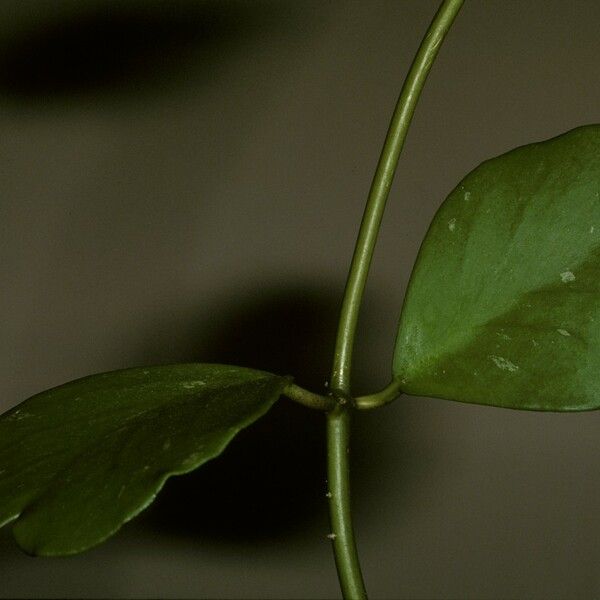
Plant Overview
Widely known as the "Sweetheart Hoya" or "Valentine Plant," the Hoya cordata (often associated with Hoya kerrii) is the ultimate symbol of botanical love. Native to the humid tropical forests of Southeast Asia, this slow-growing climber has captured hearts worldwide—literally. Whether kept as a single rooted leaf on a sunlit desk or allowed to mature into a lush, climbing vine, it brings a touch of romantic charm to any indoor jungle.
🔍 How to Identify
- 💚 The Heart Shape: Its most iconic feature is the thick, fleshy, and perfectly heart-shaped leaves that feel almost like stiff leather or matte plastic to the touch.
- 🌸 Waxy Blooms: When the plant matures, it produces "porcelain flowers"—tight clusters of star-shaped, creamy-white blooms with a deep reddish-purple center that look hand-carved from wax.
- 🧗 Vining Habit: In its natural state, it is a woody climber. It uses small "air roots" to scramble up tree trunks, eventually reaching lengths of several feet if given a trellis.
🏡 In Your Garden
- 🪴 The Epiphytic Edge: In the wild, these plants grow on trees rather than in the ground. Because of this, they hate "wet feet." They require a very chunky, airy potting mix—think orchid bark and perlite—to prevent the roots from suffocating.
- ☀️ Light & Patience: While often sold as low-light plants, they actually need bright, indirect sunlight to produce flowers. If kept in a dark corner, the plant may go dormant and refuse to grow new leaves for years.
- 💧 Succulent Logic: Because the leaves are so thick, they store a significant amount of water. You should only water when the soil is completely dry and the leaves feel slightly less firm than usual.
⚠️ Safety & Toxicity
- 🐾 Pet Safe: Good news for furry friends! Hoya cordata is generally considered non-toxic to cats, dogs, and horses, making it a "worry-free" choice for pet owners.
- 🧪 Latex Sap: If a leaf is snapped or the stem is cut, the plant leaks a milky white sap. While not dangerously toxic, this sap can cause minor skin irritation for people with latex allergies and may cause a mild tummy ache if ingested by curious toddlers.
✨ Fun Fact
Beware of the "Zombie Leaf!" Most single heart-shaped leaves sold in small pots around Valentine's Day will never grow into a full vine. Without a tiny piece of the mother plant's stem (a node) attached to the base, the leaf remains a "zombie"—it will stay green and alive for years, but it will never produce a single new leaf!

Detailed Care Instructions
To grow a Hoya Cordata plant, you can follow these steps:
- Choose a suitable location: Hoya Cordata plants prefer bright, indirect sunlight. Place it near a window where it can receive bright, filtered light throughout the day. Avoid placing it in direct sunlight as it can scorch the leaves.
- Provide the right temperature: Hoya Cordata plants thrive in temperatures between 60-75°F (15-24°C). Protect the plant from extreme temperature fluctuations, drafts, and cold drafts.
- Pick the right soil: Use a well-draining soil mix that is suitable for tropical plants. You can create a mix by combining regular potting soil with perlite or sand to improve drainage.
- Watering: Water the plant thoroughly when the top inch of soil feels dry. Hoya Cordata plants like to dry out slightly between waterings, so avoid overwatering. Ensure the pot has drainage holes to prevent water from pooling.
- Humidity: Hoya Cordata plants prefer higher humidity levels. You can increase humidity by placing the pot on a tray filled with water and pebbles. Alternatively, you can use a humidifier or mist the leaves regularly.
- Fertilizer: Feed the plant with a balanced, water-soluble fertilizer once a month during spring and summer. Dilute the fertilizer to half or quarter strength to prevent overfertilizing and follow the package instructions.
- Pruning: Prune the plant to control its size and shape. Pinch off any dead or yellowing leaves to encourage new growth and maintain the plant's health.
- Support: Hoya Cordata plants are vining plants that benefit from support. You can provide a trellis, moss pole, or any other sturdy support for the plant to climb on.
- Propagation: Hoya Cordata plants can be propagated through stem cuttings. Take a healthy stem cutting with a couple of leaves and place it in a moist soil mix or water until roots develop.
- Pests and diseases: Monitor the plant for common houseplant pests like mealybugs, aphids, or spider mites. Treat any infestations promptly with organic insecticidal soap or a homemade solution like neem oil.
By following these steps and providing the right care, you can successfully grow and enjoy your Hoya Cordata plant.

Place in a window with dappled sun or a spot in the middle of a room. Or directly in a window facing west or east.

When watering this plant, it's important to ensure that the soil is completely dry before watering it again. Overwatering can lead to root rot and other issues. When watering, pour the water directly onto the soil and avoid getting water on the leaves and stems. Use a watering can or similar container with a spout to control the amount of water that is applied. After watering, allow any excess water to drain away from the pot to prevent the soil from becoming waterlogged. It's also important to avoid letting the plant sit in standing water, which can lead to root rot and other issues. Overall, this plant requires moderate watering and prefers well-draining soil that allows excess water to escape easily.
To fertilize this plant, use a balanced liquid fertilizer once a month during the growing season. Dilute the fertilizer to half strength and apply it to the soil directly after watering. Do not fertilize during the winter months when the plant is dormant. Avoid over-fertilizing as it can cause leaf burning and damage to the roots.
The ideal soil for Hoya Cordata plant should be well-draining and porous. It should have a balanced pH level between 6.0 to 7.0. The soil should be moist but not wet, as the plant is susceptible to root rot. A mixture of peat moss, perlite, and coarse sand can be used for the soil mix. Additionally, it is recommended to add some compost or organic matter to the soil to provide nutrients to the plant. It is important to avoid using heavy clay or compacted soils, as they can retain too much moisture and cause damage to the roots.
Hoya Cordata is a popular plant among plant enthusiasts because of its lush, green leaves and beautiful flowers. Propagation of this plant is relatively easy and can be achieved through stem cuttings.
To propagate Hoya Cordata, you would need a healthy parent plant with mature stems. Using a clean, sharp pair of scissors or pruning shears, select a stem that is at least 6 inches long and has at least two nodes (where leaves emerge). Cut the stem at a 45-degree angle just below a node.
Next, prepare a small container or pot with fresh, well-draining soil. You can use a mix of perlite and peat moss or a general-purpose potting mix. Moisten the soil slightly, but not too much so that it becomes waterlogged.
Remove the lower leaves from the stem, leaving only the uppermost set of leaves. Dip the cut end of the stem into rooting hormone powder, which will encourage the growth of roots. Tap off any excess powder.
Insert the stem cutting into the soil, making sure that the node(s) are buried. Gently press the soil around the stem to help it stand upright. Cover the pot with a clear plastic bag or wrap to create a humid environment for the plant.
Place the pot in a warm, bright location that receives indirect sunlight. Avoid exposing the plant to direct sunlight as it may scorch the leaves. Mist the plant regularly to maintain humidity and keep the soil slightly moist.
After a few weeks, you should start to see new growth emerging from the stem cutting. Once the new growth has established roots and several sets of leaves, you can transplant the plant into a larger pot with fresh soil and care for it as you would a mature Hoya Cordata plant.








