Plant Overview
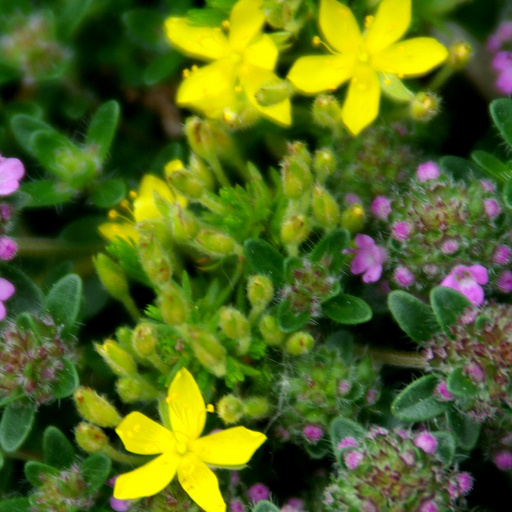
Often called the Pinebarren Goldenheather or "False Heather," this resilient little shrub is a master of camouflage. Before it blooms, it blends perfectly into the sandy, nutrient-poor soils of Eastern North America, mimicking the look of European heather. It is a specialist of the pine barrens, standing as a testament to life’s ability to thrive in harsh, "empty" spaces.
🔍 How to Identify
- 🌿 Needle-like Foliage: The leaves are tiny, awl-shaped, and pressed closely against the woody stems, giving the plant a soft, mossy appearance from a distance.
- 🌼 Ephemeral Blooms: It produces a sudden explosion of bright lemon-yellow flowers, each with five petals and a cluster of delicate stamens at the center.
- 🪵 Matted Growth: It grows as a low, sprawling "cushion" or carpet, rarely reaching more than 7–8 inches in height but spreading wide across the ground.
🏡 In Your Garden
- 🏖️ The Sand Specialist: This plant is a "pioneer species," meaning it loves disturbed, sandy, or acidic soils where other plants struggle. It thrives on neglect; rich potting soil or heavy fertilizers will likely overwhelm and kill it.
- ☀️ Sun Seeker: It requires full, unobstructed sunlight to maintain its compact shape. In the wild, it often disappears if larger trees grow tall enough to shade it out, so keep its neighbors short.
- 🚫 Root Sensitivity: Goldenheather is notorious for hating "wet feet" and root disturbance. If you are planting it, ensure the drainage is perfect—think "beach sand" rather than "garden loam"—and avoid moving it once it is established.
⚠️ Safety & Toxicity
- ✅ Non-Toxic: There are no known reports of Hudsonia ericoides being toxic to humans, dogs, or cats.
- 🧤 Physical Irritation: While not chemically toxic, the dried, woody stems can become brittle and prickly. Wear garden gloves if you need to clear away old growth to avoid minor skin scratches.
✨ Fun Fact
✨ Morning Glory: The golden flowers of this plant are incredibly shy. They typically open only during the sunny morning hours and can wither by mid-afternoon, meaning the entire "golden" phase of the plant's year is a series of very brief, high-energy performances!

Detailed Care Instructions
To successfully grow Hudsonia ericoides, also known as golden heather or false heather, follow these steps:
- Choose the right location: Hudsonia ericoides prefers full sun to partial shade. It can tolerate poor soil conditions, but it requires well-draining soil with low fertility. It is also essential to consider the hardiness zone where you live because Hudsonia ericoides is native to Eastern North America and is adapted to harsh conditions.
- Prepare the soil: Before planting, amend the soil if necessary to improve drainage. The best soil composition for Hudsonia ericoides is sandy or rocky soil that mimics its native environment.
- Planting: Hudsonia ericoides can be grown either from seeds or cuttings. If using seeds, sow them in early spring. Ensure that the seeds are in direct contact with the soil as they require light for germination. If using cuttings, take stem cuttings in late spring or early summer and plant them directly in the ground or in containers filled with well-draining soil.
- Watering: Hudsonia ericoides is drought-tolerant once established. Water regularly when first planted to establish roots, and then gradually reduce watering as the plant becomes established. Avoid overwatering, as this can lead to root rot.
- Mulching: Applying a layer of mulch around the base of the plant can help retain moisture and suppress weed growth.
- Pruning: Hudsonia ericoides may require occasional pruning to maintain its shape and promote bushier growth. Trim back any dead or damaged branches in early spring before new growth begins.
- Fertilizer: Hudsonia ericoides generally does not require fertilizer. In fact, excessive fertility can lead to weak and leggy growth. However, if your soil is particularly poor, you can add a small amount of slow-release, low-nitrogen fertilizer in spring.
- Pest and disease control: Hudsonia ericoides is generally pest and disease-resistant. However, keep an eye out for any signs of pests, such as aphids or spider mites, and treat them accordingly with organic insecticides if necessary.
Remember to check with your local garden center or nursery for specific advice that applies to your region's climate and growing conditions.

Place in a bright room that is sun drenched almost all day. Or directly in a south-facing window.
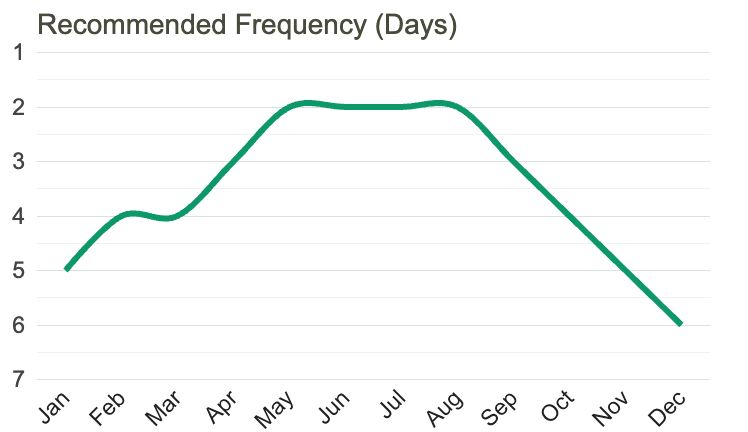
To water this plant, ensure that the soil is completely dry before giving it water. Use a watering can or a hose with a gentle spray to avoid damaging the plant. Pour the water slowly onto the soil, rather than directly onto the plant's leaves. Allow the water to soak into the soil and drain away any excess water that accumulates in the pot or on the soil surface. Avoid letting the plant sit in water for extended periods of time, as this can lead to root rot. It is best to water this plant in the early morning or late afternoon to prevent the water from evaporating too quickly in the heat of the day.
For optimal growth and health, apply a balanced 10-10-10 fertilizer to the soil surrounding the plant in early spring or late fall. Do not over-fertilize, as this can lead to excessive leaf growth at the expense of flower production. Water the plant immediately after fertilizing to help distribute the nutrients evenly. Avoid using fertilizers high in nitrogen, as this can cause acidification of the soil. Instead, choose a fertilizer with a 1-1-1 ratio of nitrogen, phosphorus, and potassium.
Hudsonia ericoides is a plant that typically grows in acidic and nutrient-poor soils. It prefers soils that have a pH range between 4.5 and 5.5, which are typically found in sandy or rocky areas.
To replicate the ideal soil conditions for Hudsonia ericoides, it is recommended to use a well-draining soil mixture that is low in nutrients and has a pH below 6. This can be achieved by mixing equal parts of sand and peat moss, along with a small amount of perlite or vermiculite to improve drainage.
The soil should be kept consistently moist, but not waterlogged, as excessive moisture can lead to root rot and other diseases. Watering should be done sparingly, but deeply, allowing the soil to dry out slightly between waterings.
If planting Hudsonia ericoides in a container, make sure to use a pot with drainage holes and provide a layer of gravel or rocks at the bottom to prevent the plant's roots from sitting in standing water. Regular fertilization is not necessary, as this plant thrives in nutrient-poor soils.
To propagate this plant, first take softwood cuttings in early summer from healthy, mature plants. Cuttings should be taken from the uppermost growth of the plant and should be roughly 4-6 inches in length. Remove all the leaves from the bottom third of the cutting and dip the cut end into rooting hormone. Plant the cutting in well-draining, sandy soil and keep it moist but not overly wet. Place the pot in an area with bright, indirect light and keep it out of direct sunlight. Within a few weeks, roots should start to appear. Once the plant has developed a strong root system, it can be transplanted into its permanent location.








