Plant Overview
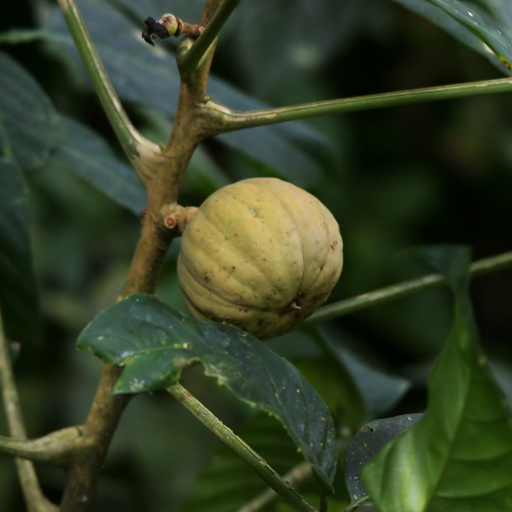
Known as the "Dynamite Tree" or "Monkey No-Climb," Hura crepitans is a legendary giant of the Amazon rainforest. It earned its explosive reputation because its pumpkin-shaped fruit bursts with a loud "crack" when ripe, launching seeds at speeds over 150 mph. This is a tree that commands both awe and caution, draped in a coat of thorns and a history of folklore.
🔍 How to Identify
- 🪝 Spiny Bark: The trunk is densely covered in short, dark, conical spikes, which evolved to prevent animals from climbing it and stealing fruit.
- 🍃 Heart-Shaped Foliage: The leaves are large, glossy, and distinctly heart-shaped with prominent veins, creating a dense, vibrant green canopy.
- 🎃 Pumpkin-Like Fruit: It produces unique, segmented seed pods that look exactly like miniature green pumpkins before they dry out and explode.
🏡 In Your Garden
- 🌳 Space Requirements: While striking, this is rarely a houseplant. It grows into a massive tree and requires significant space and tropical humidity to thrive.
- 💧 Moisture Lover: In a landscape setting, it thrives near water sources. It prefers deep, rich soil and will drop its leaves if the soil is allowed to dry out completely.
- ☀️ Sun Seeker: It demands full sun to develop its characteristic thorns and unique red, catkin-like flowers.
⚠️ Safety & Toxicity
- 🚫 Highly Toxic Sap: The milky white latex produced by the bark and leaves is caustic. Contact with the skin causes painful rashes, and contact with eyes can cause temporary blindness.
- 🤢 Dangerous Seeds: The seeds are extremely poisonous to humans and pets. Ingesting them causes violent vomiting, cramps, and diarrhea.
- 💥 Physical Hazard: The "explosion" of the seed pods is forceful enough to cause injury to anyone standing too close when the fruit reaches maturity.
✨ Fun Fact
- 🖋️ The Original Desk Accessory: Before the invention of blotter paper, the hollowed-out, unripe fruit segments were used as containers to hold fine sand for drying ink on parchment—which is how it earned the name "Sandbox Tree."

Detailed Care Instructions
To grow Hura crepitans, commonly known as the sandbox tree or monkey no-climb, follow these steps:
- Climate and Soil Requirements: Ensure that you live in a tropical or subtropical climate suitable for growing Hura crepitans. It prefers warm temperatures between 60-90°F (16-32°C). The soil should be fertile, well-draining, and slightly acidic to neutral pH.
- Germination: Collect ripe seeds from a mature sandbox tree. Soak the seeds in lukewarm water for 24 hours to soften the outer seed coat. Fill a container with moist peat moss or a mixture of peat moss and sand, and plant each seed about 1 inch (2.5 cm) deep. Keep the container in a warm, humid place, and ensure that the soil remains moist but not waterlogged.
- Seedling Care: Once germination occurs (usually within 1-3 weeks), move the seedlings to individual pots filled with well-draining potting mix. Place the pots in a sunny location with filtered sunlight or partial shade. Keep the young plants moist but avoid overwatering, as it may lead to root rot.
- Transplantation: Allow the seedlings to grow for about 6-12 months until they reach a height of 6-12 inches (15-30 cm) before transplanting them into the ground. Choose a location that provides full sun or partial shade.
- Planting in the Ground: Dig a hole that is twice as wide and deep as the root ball of the young tree. Place the tree in the hole, ensuring that the top of the root ball is level with or slightly above the surrounding soil surface. Fill the hole with soil. Tamp down gently to remove air pockets and water thoroughly.
- Watering and Fertilizing: Initially, water the tree regularly to help establish its root system. Once established, Hura crepitans is relatively drought-tolerant and requires watering only during prolonged periods of dryness. Apply a balanced fertilizer during the growing season, following the instructions on the label.
- Pruning: Prune the tree to maintain its shape and remove any dead or damaged branches. Avoid excessive pruning, as the sap of the sandbox tree is toxic and can cause irritation to the skin and eyes.
- Pest and Disease Control: Hura crepitans is generally resistant to pests and diseases. However, keep an eye out for common garden pests such as aphids, scales, and mealybugs. Treat any infestations with suitable organic or chemical insecticides, if necessary.
Remember to handle the plant with caution, as the tree produces explosive fruits that can burst open with force, scattering its seeds. Additionally, the sap and bark are toxic, so it is important to wear protective gloves and clothing when working with or handling Hura crepitans.

Place in a bright room that is sun drenched almost all day. Or directly in a south-facing window.

The best way to water the plant is to thoroughly wet the soil in the pot, allowing the water to be absorbed before watering again. It should be watered moderately and not too frequently. The plant prefers well-drained soil and slightly dry conditions, so it is important not to over-water it. Avoid watering the leaves and stem, as this can lead to fungal growth. It is recommended to use room temperature or lukewarm distilled or filtered water for watering. In addition, it is advisable to keep the plant in a location with sufficient air circulation and moderate humidity.
To fertilize this plant, use a balanced, water-soluble fertilizer with equal amounts of nitrogen, phosphorus, and potassium. Dilute the fertilizer to half strength and apply it every two to three weeks during the growing season. Avoid over-fertilization, as excess nutrients can damage the roots and slow the plant's growth. Always water the plant thoroughly before and after fertilizing to prevent burning the roots.
The optimum soil for Hura Crepitans plant should be well-draining and aerated with a pH range between 6.0 to 7.5. It should be rich in organic matter and nutrients necessary for plant growth. Adding perlite or coarse sand to the soil mix can improve drainage. To ensure good drainage, avoid using heavy, compacted soils or those that hold too much moisture, as they can lead to root rot. Additionally, it is essential to use a pot with drainage holes to allow excess water to escape from the soil.
To propagate this particular plant, start by collecting the seeds. Make sure they are fully matured and have a hard outer shell. Soak the seeds in lukewarm water for 24-48 hours to soften the shell. After soaking, plant the seeds in well-draining soil in a pot or container. Cover the seeds with a thin layer of soil and keep the soil consistently moist but not waterlogged.
Place the pot or container in a warm and bright location, but not in direct sunlight. Germination may take several weeks to a few months, so be patient. Once the seedlings have grown to a few inches tall, they can be repotted into larger containers or planted in the ground if desired.
Another method of propagation is by taking stem cuttings from the plant. Cut a stem a few inches long and remove any leaves from the bottom. Dip the cut end in rooting hormone and plant the cutting in well-draining soil in a pot or container, keeping the soil consistently moist but not waterlogged. Place the pot or container in a warm and bright location, but not in direct sunlight. Roots should start to form in a few weeks.
Overall, propagating this plant can take some time and patience, but it can be rewarding to watch the plants grow and thrive.








