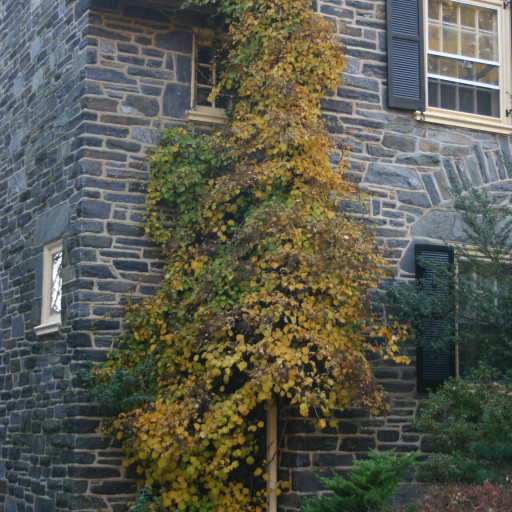
Plant Overview
Often called the "Cinderella" of the garden, Hydrangea anomala transforms from a slow-creeping vine into a breathtaking wall of snowy white lace. Native to the mist-shrouded woodlands of East Asia and the Himalayas, it is prized for its ability to scale vertical surfaces without the need for ties or trellises. This is a plant of patience, rewarding the gardener with a dramatic, architectural display once it finally settles into its new home.
🔍 How to Identify
- 🍃 Lush Foliage: Heart-shaped, dark green leaves with serrated edges that provide a dense, carpet-like covering for walls or fences.
- ❄️ Lacecap Blooms: Fragrant, flat-topped flower clusters (corymbs) featuring a center of tiny fertile flowers surrounded by a ring of showy, sterile white petals.
- 🪵 Textured Bark: As the plant matures, the woody stems develop a beautiful cinnamon-colored, peeling bark that provides striking visual interest during the winter months.
🏡 In Your Garden
- 🧗 The Patient Climber: Unlike many vines, this hydrangea uses "aerial rootlets" to glue itself to brick, stone, or tree bark. It is notoriously slow to establish, often spending its first three years focusing on root growth before it begins its skyward journey—a phase gardeners call "sleep, creep, and leap."
- 🌑 Shadow Dweller: This is one of the few flowering vines that truly thrives in partial to full shade. While it can handle some sun, its delicate leaves are prone to scorching if the soil is allowed to dry out, making it an ideal candidate for north-facing walls or shaded woodland borders.
⚠️ Safety & Toxicity
- 🐾 Mildly Toxic: Like its bush-form cousins, the Climbing Hydrangea contains cyanogenic glycosides in its leaves and flower buds.
- 🤢 Risk to Pets/Kids: If ingested in large quantities, it can cause nausea, vomiting, and lethargy. It is best planted in areas where curious pets or toddlers won't be tempted to "sample" the greenery.
✨ Fun Fact
Despite its delicate lace-like appearance, the Climbing Hydrangea is incredibly strong. Once it reaches maturity, its aerial roots are so powerful that they have been known to lift loose shingles or grip mortar so tightly that the plant becomes a permanent part of the building's architecture!

Detailed Care Instructions
Climbing hydrangea can live for up to fifty years in the right conditions and with proper care, like ample watering, afternoon shade, and mid-summer pruning.
What is the difference between climbing hydrangeas and false hydrangea vine?
Climbing hydrangea yields only white and off-white flowers, whereas false hydrangea vine comes in many different colors. Also, climbing hydrangea has four-petaled flowers dispersed around non-showy reproductive structures. False hydrangea vine has single sail-like bracts for flowers, instead.
Why is climbing hydrangea considered a four-season plant?
Climbing hydrangea looks great in all four seasons. In the spring, the bright green foliage climbs walls and trellises. In the summer, abundant lacy blooms proliferate. In the fall, the glossy leaves turn yellow with the change of seasons. And in the winter, the shedding bark adds texture to barren gardens.
| Lighting | Full Sun |
To grow Hydrangea anomala, also known as climbing hydrangea, follow these steps:
- Choose a suitable location: This plant thrives in partial shade to full shade. Select a spot with well-draining soil that has a pH level of around 5.5 to 7.
- Planting: Dig a hole that is twice as wide and deep as the root ball of the plant. Place the plant in the hole, making sure that the top of the root ball is level with or slightly above the soil surface. Backfill the hole with soil and gently firm it around the plant.
- Watering: Water the plant thoroughly after planting and keep the soil consistently moist but not waterlogged. Regular watering is particularly important during the first growing season.
- Mulching: Apply a layer of organic mulch, such as wood chips or shredded bark, around the base of the plant. This will help retain moisture and prevent weed growth.
- Pruning: Prune the plant in early spring to remove any dead, damaged, or overcrowded branches. This will promote healthy growth and better flowering.
- Fertilizing: Hydrangeas generally do not require much fertilization, but you can apply a balanced slow-release fertilizer in early spring if desired.
- Support: As a climbing hydrangea, it needs support to grow vertically. Install a sturdy trellis, arbor, or other support structure for the plant to grow on. Initially, you may need to tie the stems to the support until they start to cling on their own.
- Maintenance: Regularly monitor the plant for pests or diseases and take appropriate action if needed. Remove any dead flowers or foliage to keep the plant looking tidy.
- Patience: Hydrangea anomala can take a few years to establish and start blooming profusely. Be patient and continue to care for the plant, and it will reward you with beautiful blooms.
- Propagation: If you want to propagate more plants, you can take stem cuttings in late summer or early fall and root them in a soilless mix or water until they develop roots.

Place in a window with dappled sun or a spot in the middle of a room. Or directly in a window facing west or east.

To water this particular plant, it is important to keep the soil consistently moist, but not waterlogged. Water deeply once a week or when the top inch of soil feels dry to the touch. Watering early in the morning or late in the evening when the temperatures are cooler will help prevent evaporation and allow the plant to absorb the water more efficiently. Be careful not to water the leaves as this can lead to diseases. Instead, focus on watering the base of the plant and the soil around it. It is also important to ensure that the plant has good drainage, as waterlogged soil can cause root rot.
To fertilize this plant, use a balanced fertilizer in early spring or late fall. Apply the fertilizer around the base of the plant, making sure to avoid getting it on the leaves or stems. Water the plant thoroughly after fertilizing. Do not over-fertilize, as this can lead to excessive growth and weak stems.
When planting Hydrangea Anomala, it is important to choose the correct soil type to ensure healthy growth. This plant prefers well-draining, acidic soil with a pH of around 5.5. It also prefers soil that is rich in organic matter, such as peat moss or compost. The soil should be moist, but not waterlogged, and should be able to retain moisture well. Avoid planting in heavy clay soils, which can become waterlogged and affect the plant's growth. It is also important to ensure good drainage to prevent root rot. When planting, mix in a slow-release fertilizer to provide additional nutrients to the plant.
To propagate this plant, take a soft wood cutting in the afternoon during the summer months. Ensure that the cutting is taken from healthy and disease-free stems that are approximately six inches long. Remove all the leaves from the bottom two inches of the stem, as well as any flowers or buds. Dip the end of the stem in rooting hormone, and place it in a mix of equal parts sand and peat moss. Water the cutting and cover it with a plastic bag to create a humid environment. Place the cutting in an area with bright but indirect light. Keep the soil moist but not waterlogged. After a few weeks, check to see if roots have formed by gently tugging on the cutting. Once roots have formed, the new plant can be transplanted into a pot or directly into the ground.








