Plant Overview
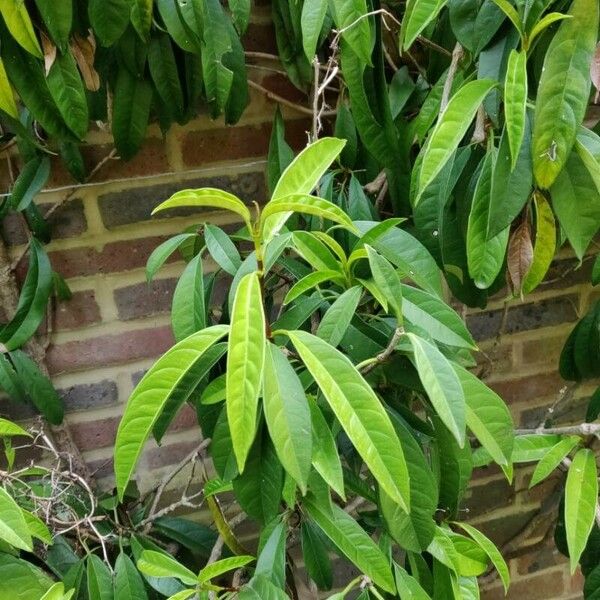
Often called the "Great Pretender" of the garden world, Hydrangea viburnoides is a captivating evergreen shrub that bridges the gap between two horticultural favorites. While its glossy, leathery leaves look exactly like a Viburnum, its delicate, lacey summer blooms reveal its true identity as a member of the Hydrangea family. Originating from the misty mountain forests of Southeast Asia and China, this plant brings a lush, tropical texture to temperate woodland gardens.
🔍 How to Identify
- 🍃 Lustrous Foliage: Unlike many of its deciduous cousins, this hydrangea features thick, dark green, and incredibly shiny leaves that stay on the branch year-round.
- ☁️ Lacecap Blooms: It produces flattened flower clusters (cymes) featuring tiny fertile flowers in the center, ringed by larger, four-petaled white sterile flowers.
- 🪵 Robust Structure: It grows as a multi-stemmed shrub with a sturdy, upright habit, often reaching up to 6–8 feet in height.
🏡 In Your Garden
- 🌓 The Shade Specialist: This plant is a champion of the "dappled light" zone. It prefers protection from harsh afternoon sun, which can scorch its glossy leaves, making it perfect for brightening up darker garden corners.
- 💧 Moisture and Mulch: It loves "cool feet." Because it originates from humid forests, it requires consistently moist, acidic soil. A thick layer of bark mulch helps retain the hydration it craves during summer dry spells.
⚠️ Safety & Toxicity
- 🚫 Toxic if Ingested: Like all hydrangeas, this species contains cyanogenic glycosides.
- 🐾 Pet Warning: It is considered toxic to cats, dogs, and horses. Ingestion can lead to digestive upset, lethargy, or more serious symptoms if consumed in large quantities. Always wash your hands after pruning to avoid skin irritation from the sap.
✨ Fun Fact
The specific epithet viburnoides literally translates from Latin to "looks like a Viburnum." It is one of the few hydrangeas that keeps its leaves all winter, making it a "living bridge" between two of the most popular shrub genera in the world!

Detailed Care Instructions
Hydrangea viburnoides, commonly known as Guelder rose hydrangea, can be a rewarding plant to grow due to its beautiful flowers and attractive foliage. Here's a step-by-step guide to growing this plant successfully:
1. Choosing the Right Location
- Light: Hydrangeas generally thrive in partial sun to full shade. Aim for a location where the plant will get morning sunlight and afternoon shade.
- Soil: Hydrangeas prefer well-drained, humus-rich soil. They do not like waterlogged conditions, so good drainage is essential.
2. Planting
- Timing: The best time to plant hydrangeas is in the spring or fall.
- Preparation: Prepare the soil by adding organic matter such as compost to improve drainage and nutrient content.
- Digging the Hole: Dig a hole that is twice as wide and just as deep as the root ball of the plant.
- Planting: Remove the plant carefully from its container and place it in the hole. Make sure the top of the root ball is level with the surrounding soil. Backfill the hole with soil and press it down gently to remove any air pockets.
- Watering: Water the plant thoroughly after planting to help it establish roots.
3. Watering
- Hydrangeas need consistent moisture, especially during their first year of growth or in dry periods. Water deeply once a week, or more frequently during hot, dry spells.
4. Mulching
- Apply a 2-3 inch layer of mulch around the base of the plant to help retain soil moisture and regulate temperature. Avoid piling mulch directly against the stem to prevent rot.
5. Fertilizing
- Hydrangeas benefit from a balanced, slow-release fertilizer applied in early spring. Follow the manufacturer’s guidelines for best results. Avoid over-fertilizing as this can lead to excessive leaf growth at the expense of flowers.
6. Pruning
- Pruning hydrangeas generally depends on the variety. For most hydrangeas, remove dead or damaged wood in early spring. Prune to shape the plant and encourage new growth.
7. Pest and Disease Management
- Keep an eye out for common pests such as aphids, spider mites, and scale. Use insecticidal soap or neem oil as needed.
- Ensure adequate air circulation around the plant to prevent fungal diseases like powdery mildew and leaf spot.
8. Winter Protection
- In colder climates, provide winter protection by mulching around the base and covering the plant with burlap if necessary.
9. Propagation
- Hydrangeas can be propagated through cuttings. Take softwood cuttings in late spring or early summer, dip them in rooting hormone, and plant them in a well-draining potting medium.
By following these guidelines, you can grow a healthy and beautiful Hydrangea viburnoides plant that will add beauty and charm to your garden.

Place in a window with dappled sun or a spot in the middle of a room. Or directly in a window facing west or east.
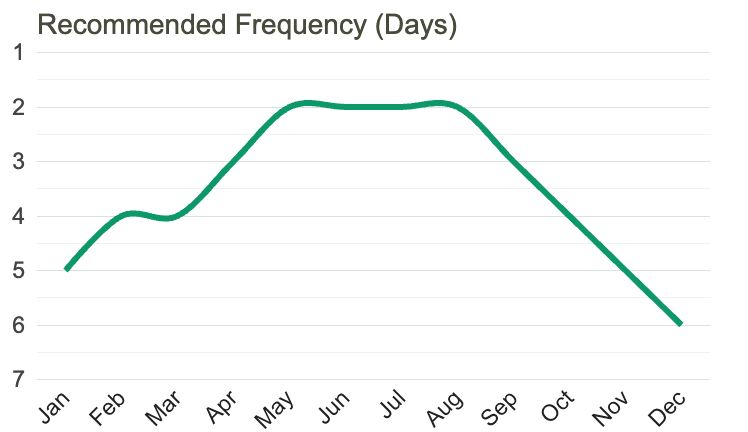
Watering Hydrangea viburnoides, a deciduous shrub, requires attention to its moisture needs to ensure healthy growth and vibrant blooms. Here’s a comprehensive guide on how to properly water this plant:
1. Soil Moisture Preference:
- These plants thrive in consistently moist soil but do not tolerate waterlogged conditions.
- Aim for soil that is well-draining while retaining adequate moisture.
2. Watering Frequency:
- During the growing season (spring and summer), water deeply once or twice a week, depending on the local climate and rainfall.
- In cooler weather or during dormancy (fall and winter), reduce the frequency, ensuring the soil does not dry out completely.
3. Deep Watering:
- Provide a thorough soaking to ensure water reaches the root zone. This encourages deep rooting and helps the plant withstand dry spells.
- Use a soaker hose or drip irrigation to deliver water directly to the soil, minimizing evaporation and leaf disease.
4. Morning Routine:
- Watering in the early morning is ideal as it allows time for the foliage to dry before evening, reducing the risk of fungal diseases.
- It also provides moisture throughout the heat of the day, especially important during hot weather.
5. Mulching:
- Apply a layer of organic mulch around the base of the shrub to help retain soil moisture, regulate soil temperature, and suppress weeds. Aim for 2-3 inches of mulch, keeping it a few inches away from the stem to prevent rot.
6. Check Soil Regularly:
- Regularly monitor the soil moisture level using your fingers or a moisture meter. The top inch of soil should be kept consistently moist but not soggy.
- Adjust watering based on rainfall and temperature changes.
7. Container Plants:
- If growing in a container, more frequent watering may be necessary due to quicker soil drying. Check daily, especially in hot conditions.
- Ensure the container has drainage holes to prevent waterlogging.
By following these guidelines, you can keep your Hydrangea viburnoides well-hydrated and healthy, promoting lush foliage and beautiful blooms.
Here are fertilizing instructions for your Hydrangea Viburnoides:
- Timing: Fertilize the plant in early spring as new growth begins. You can also apply a second, lighter feeding mid-summer if the plant appears to need a boost.
- Type of Fertilizer:
- Use a balanced, slow-release fertilizer with equal parts nitrogen (N), phosphorus (P), and potassium (K), such as a 10-10-10 formula.
- Alternatively, you can use a specialized fertilizer formulated for flowering shrubs, which may have a slightly higher phosphorus content to promote blooms.
- Use a balanced, slow-release fertilizer with equal parts nitrogen (N), phosphorus (P), and potassium (K), such as a 10-10-10 formula.
- Application:
- Follow the manufacturer's instructions for the correct amount. Over-fertilizing can harm the plant.
- Apply the fertilizer evenly around the base of the plant, avoiding direct contact with the stems.
- Lightly scratch the fertilizer into the soil using a hand rake or hoe to help it absorb into the ground.
- Follow the manufacturer's instructions for the correct amount. Over-fertilizing can harm the plant.
- Watering:
- Water the area thoroughly after applying fertilizer to help dissolve it and carry the nutrients down to the root zone.
- Maintain consistent soil moisture, especially during dry spells, but avoid waterlogging.
- Water the area thoroughly after applying fertilizer to help dissolve it and carry the nutrients down to the root zone.
- Soil Testing (Optional but Beneficial):
- Conduct a soil test to determine if there are any specific nutrient deficiencies. This can help you adjust your fertilizing strategy accordingly.
- Conduct a soil test to determine if there are any specific nutrient deficiencies. This can help you adjust your fertilizing strategy accordingly.
- Organic Options (if preferred):
- Compost: Applying a layer of compost around the base in early spring can provide a steady release of nutrients.
- Fish Emulsion or Seaweed Extract: These organic fertilizers can be used as liquid feeds during the growing season.
- Compost: Applying a layer of compost around the base in early spring can provide a steady release of nutrients.
- Mulching:
- Add a layer of mulch around the base of the plant (but not touching the stems) to help retain soil moisture and provide a slow breakdown of organic matter into the soil.
By following these instructions, you'll help ensure that your Hydrangea Viburnoides remains healthy and produces vibrant blooms.
- Add a layer of mulch around the base of the plant (but not touching the stems) to help retain soil moisture and provide a slow breakdown of organic matter into the soil.
Hydrangea viburnoides thrives best in well-draining, fertile soils with a high organic matter content. Here are some detailed tips for selecting the ideal soil for this plant:
- pH Level: This plant prefers slightly acidic to neutral soil, typically with a pH range of 6.0 to 7.0. Soil testing kits are available to help determine your soil's pH level.
- Structure and Texture: The soil should be loamy, which is a balanced mixture of sand, silt, and clay. This structure ensures good drainage while retaining enough moisture and nutrients for the plant.
- Organic Matter: Incorporating organic matter, such as compost, leaf mold, or well-rotted manure, can enrich the soil and improve its structure. This addition enhances nutrient availability and promotes healthy root growth.
- Moisture: While the plant requires well-draining soil, it also prefers consistently moist conditions. Avoid waterlogged soils, as they can lead to root rot. Mulching around the base of the plant can help maintain soil moisture levels.
- Amendments: If your native soil is heavy clay or very sandy, amend it with organic matter to improve its overall quality. For clay soils, adding organic matter can improve drainage and aeration. For sandy soils, it helps retain moisture and nutrients.
- Nutrient Levels: Ensure the soil is fertile by incorporating a balanced, slow-release fertilizer or a specific fertilizer suitable for acid-loving plants if the soil quality is poor.
By providing these conditions, Hydrangea viburnoides will have the optimal environment for healthy growth and bloom. Regularly checking soil moisture and pH levels can help you make necessary adjustments to maintain ideal growing conditions.
Propagating Hydrangea viburnoides can be effectively accomplished through stem cuttings. Here’s a detailed guide to help you through the process:
Required Materials
- Sharp, sterilized pruning shears or a knife
- Rooting hormone (optional, but recommended)
- Potting mix (a mix of peat and perlite works well)
- Small pots or containers with drainage holes
- Clear plastic bag or a propagation dome
- Spray bottle
Step-by-Step Guide
- Choose the Right Time:
- Late spring to early summer is ideal for taking cuttings. At this time, the plant is actively growing, which improves the chance of successful rooting.
- Late spring to early summer is ideal for taking cuttings. At this time, the plant is actively growing, which improves the chance of successful rooting.
- Select a Healthy Plant:
- Choose a healthy, robust plant. Look for non-flowering stems, as flower buds can divert energy from root production.
- Choose a healthy, robust plant. Look for non-flowering stems, as flower buds can divert energy from root production.
- Prepare the Cuttings:
- Use sterilized pruning shears to cut a 4-6 inch (10-15 cm) stem just below a node (the point where leaves attach to the stem). Ensure the stem is free from disease or damage.
- Use sterilized pruning shears to cut a 4-6 inch (10-15 cm) stem just below a node (the point where leaves attach to the stem). Ensure the stem is free from disease or damage.
- Trim the Leaves:
- Remove the lower leaves from the bottom third of the cutting, leaving a few leaves at the top. This helps reduce water loss and encourages root growth.
- Remove the lower leaves from the bottom third of the cutting, leaving a few leaves at the top. This helps reduce water loss and encourages root growth.
- Apply Rooting Hormone:
- Dip the cut end of the stem into rooting hormone powder or gel. This step is optional but can enhance the rooting process.
- Dip the cut end of the stem into rooting hormone powder or gel. This step is optional but can enhance the rooting process.
- Plant the Cuttings:
- Fill small pots with a well-draining potting mix (a 50-50 mix of peat and perlite works well). Moisten the mix to ensure it's damp but not saturated.
- Make a hole in the potting mix using a pencil or your finger and insert the cutting into the hole, burying it up to the point where the leaves were removed. Firm the soil around the cutting to hold it in place.
- Fill small pots with a well-draining potting mix (a 50-50 mix of peat and perlite works well). Moisten the mix to ensure it's damp but not saturated.
- Provide Optimal Conditions:
- Cover the pots with a clear plastic bag or propagation dome to create a humid environment, which prevents the cuttings from drying out.
- Place the pots in a warm, bright location with indirect sunlight. Direct sunlight can be too intense and may scorch the cuttings.
- Cover the pots with a clear plastic bag or propagation dome to create a humid environment, which prevents the cuttings from drying out.
- Watering and Care:
- Keep the soil evenly moist but not waterlogged. Using a spray bottle to mist the cuttings can help maintain humidity levels.
- Remove the plastic cover periodically to provide ventilation and prevent mold growth.
- Keep the soil evenly moist but not waterlogged. Using a spray bottle to mist the cuttings can help maintain humidity levels.
- Root Development:
- Check for roots after 4-8 weeks by gently tugging on the cutting. If you feel resistance, roots have started to develop.
- Once a robust root system has developed, gradually acclimate the new plants to normal humidity levels by leaving the plastic cover off for extended periods each day.
- Check for roots after 4-8 weeks by gently tugging on the cutting. If you feel resistance, roots have started to develop.
- Transplanting:
- After the cuttings have established roots and started to grow new leaves, they can be transplanted into larger pots or directly into the garden.
Additional Tips
- After the cuttings have established roots and started to grow new leaves, they can be transplanted into larger pots or directly into the garden.
- Maintaining consistent moisture levels is crucial during the rooting process.
- Avoid overwatering; the soil should be kept moist but not soggy.
- Be patient; rooting can take several weeks.
By following these steps, you can successfully propagate Hydrangea viburnoides and enjoy new plants grown from your cuttings.








