Plant Overview
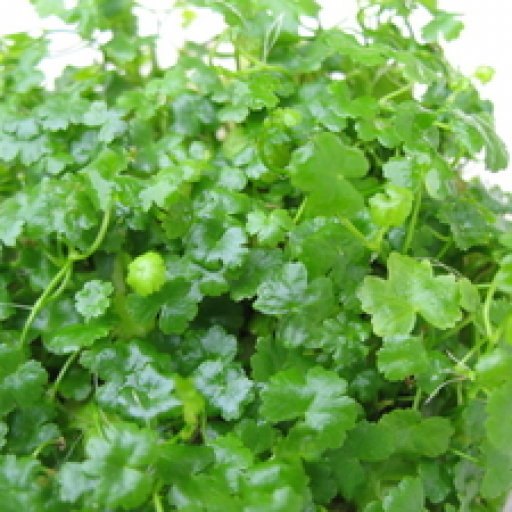
Known to aquascaping enthusiasts as "Hydrocotyle Japan," this charming little creeper is the secret behind those lush, rolling green hills seen in world-class aquariums. Originating from Southeast Asia and Australia, it has become a hobbyist favorite for its ability to mimic a miniature clover field underwater. Its fast growth and "can-do" attitude make it one of the most versatile plants for creating depth and texture in a home display.
🔍 How to Identify
- 🍀 The Leaves: Features tiny, bright green leaves typically divided into three to five distinct lobes, strongly resembling a miniature shamrock or a delicate umbrella.
- 🌱 Growth Habit: It grows via "runners" or stolons that creep across the substrate, creating a dense, tangled mat of greenery.
- 📏 Scale: Each individual leaf is rarely larger than a fingernail, making it perfect for small "nano" tanks where keeping the scale small is essential.
🏡 In Your Garden
- ✂️ The Pruning Puzzle: While it is often used as a carpet, it is naturally a vertical climber. To keep it looking like a flat lawn, you must regularly "push" it down or trim the vertical shoots; otherwise, it will quickly reach for the water’s surface.
- 💡 Light & Nutrients: It is a high-energy plant. While it can survive in low light, it only achieves that iconic, compact "staircase" look with intense lighting and a bit of CO2. Without enough light, it becomes "leggy" and loses its charm.
- 🪵 Versatile Anchoring: Unlike many foreground plants that must be buried in soil, this species is surprisingly happy tucked into the nooks of driftwood or rocks, where it will eventually drape downward like ivy.
⚠️ Safety & Toxicity
- ✅ Fish & Shrimp Safe: This plant is completely non-toxic to aquatic life. In fact, its dense thickets provide an excellent "nursery" for baby shrimp and tiny fish fry to hide from predators.
- 🐾 Pet Safety: There is no known toxicity to cats or dogs; however, aquarium plants are often treated with fertilizers or liquid carbon, which should not be ingested by curious household pets.
✨ Fun Fact
Despite its delicate appearance, Hydrocotyle tripartita is an incredible survivor. In its native habitat, it can transition from growing completely underwater during the rainy season to growing on damp banks as a terrestrial plant during the dry season!

Detailed Care Instructions
To grow Hydrocotyle Tripartita, follow these steps:
- Select a suitable aquarium or aquatic plant pot: Hydrocotyle Tripartita can be grown in both aquariums or aquatic plant pots. Ensure that the container you choose has enough space for the plant to spread out and grow.
- Provide a suitable substrate: Hydrocotyle Tripartita prefers a nutrient-rich substrate. You can use a combination of nutrient-rich soil and gravel or sand to provide a suitable base for the plant.
- Add appropriate lighting: Hydrocotyle Tripartita requires ample lighting to grow properly. Provide at least 8-10 hours of light per day. Use high-quality aquarium LED lights or specialized aquatic plant lighting to ensure that the plant gets sufficient light.
- Maintain suitable water conditions: Hydrocotyle Tripartita thrives in slightly acidic to neutral water conditions with a pH range between 6.0 and 7.5. The water temperature should be around 68°F to 82°F (20°C to 28°C). Regular water changes and the use of a good quality aquarium water conditioner will help maintain suitable water conditions.
- Properly plant the Hydrocotyle Tripartita: Gently plant the Hydrocotyle Tripartita stems or runners into the substrate, ensuring that the roots are well-covered but the leaves remain above the substrate. Space the plants a few inches apart to allow for growth and prevent overcrowding.
- Fertilize the plant: Hydrocotyle Tripartita benefits from regular fertilization. You can use liquid or substrate fertilizers specifically formulated for aquatic plants. Follow the instructions on the fertilizer packaging to avoid over or under-fertilizing the plant.
- CO2 supplementation (optional): Hydrocotyle Tripartita can benefit from the addition of CO2 supplementation in high-tech planted aquarium setups. If you have a CO2 system or choose to add a CO2 supplement, ensure to maintain appropriate levels as too much or too little can affect the plant's growth.
- Regular maintenance and trimming: Hydrocotyle Tripartita spreads relatively quickly and may require occasional trimming to prevent overgrowth or overshadowing other plants. Use aquarium scissors or pruning tools to trim the plant and maintain its desired size and shape. Regularly remove any dead or decaying leaves to maintain plant health.
- Regular water changes and monitoring: Consistent water maintenance is essential. Perform regular water changes (usually 10-25% weekly) to maintain water quality. Monitor water parameters such as pH, temperature, and ammonia/nitrate levels regularly to ensure a healthy aquatic environment for the plant.
Following these steps should help you successfully grow and maintain a Hydrocotyle Tripartita plant in your aquarium or aquatic plant pot.

Place in a window with dappled sun or a spot in the middle of a room. Or directly in a window facing west or east.

Hydrocotyle Tripartita is a small aquatic plant that requires specific care when it comes to watering to ensure its optimum growth and health. Here are the details on how to water Hydrocotyle Tripartita:
1. Moisture level: Hydrocotyle Tripartita thrives in a constantly moist environment. Therefore, it is essential to maintain the moisture level in the substrate at all times. This plant should never be allowed to dry out completely between watering sessions.
2. Substrate type: Hydrocotyle Tripartita is commonly planted in an aquarium or planted tank with a suitable substrate. Ensure that the substrate is water-retentive but well-draining to avoid waterlogging issues.
3. Watering frequency: The frequency of watering depends on various factors such as the size of the tank, ambient temperature, and water evaporation rate. Generally, Hydrocotyle Tripartita requires watering once or twice a week. However, it is recommended to monitor the substrate moisture level and adjust the watering frequency accordingly.
4. Watering method: One efficient way to water Hydrocotyle Tripartita is by using the "wet-dry cycle" technique. This technique involves flooding the substrate completely during watering and allowing it to drain out, mimicking natural rainfall. You can achieve this by slowly pouring water onto the substrate until it is saturated and then allowing the excess water to drain out through the substrate.
5. Avoid overwatering: While it is crucial to maintain moisture, overwatering can be detrimental to Hydrocotyle Tripartita and may lead to root rot or the development of algae. It is crucial to strike a balance between moist substrate and avoiding excessive water accumulation.
6. Water quality: Hydrocotyle Tripartita prefers clean, non-chlorinated water. If using tap water, let it sit out for 24 hours to allow chlorine to dissipate. Additionally, maintaining proper water parameters in the aquarium, such as pH and hardness, will contribute to the plant's overall health.
Remember that these guidelines are general care instructions for watering Hydrocotyle Tripartita. Always observe your specific plant's needs by checking the moisture level of the substrate regularly and adjusting your watering routine accordingly.
- Start by obtaining a nutrient-rich aquatic plant fertilizer suitable for submerged plants.
- Carefully read the instructions provided by the manufacturer to ensure the correct dosage for your specific fertilizer.
- Determine how much water is in your aquarium or hydroponic system to calculate the appropriate amount of fertilizer needed.
- Before fertilizing, make sure to test the water parameters such as pH, KH, GH, and nitrate levels to ensure the plants will respond well to the added nutrients.
- Apply the recommended dosage of fertilizer according to the instructions, taking into consideration the size and nutrient needs of the Hydrocotyle Tripartita plant.
- Distribute the fertilizer evenly throughout the tank to ensure all plants receive proper nutrients.
- Monitor the plant's growth and appearance after fertilization. Adjust the amount and frequency of fertilization based on how the plant responds.
- Regularly check and maintain the water quality by performing partial water changes to prevent nutrient buildup and ensure the proper nutrient balance for the plant.
- Observe the plant for signs of nutrient deficiencies or excesses, such as yellowing leaves or stunted growth. Adjust the fertilization routine accordingly to meet the plant's needs.
- Repeat the fertilization process as necessary, usually according to the manufacturer's recommendations or every one to two weeks for most submerged aquatic plants.
Remember to always handle fertilizers and chemicals with caution and follow all safety instructions provided by the manufacturer.
When cultivating Hydrocotyle Tripartita, it is crucial to choose the appropriate soil to promote healthy growth and development of the plant. This aquatic plant thrives best in a substrate that caters to its specific needs.
An ideal soil choice for Hydrocotyle Tripartita is one that is rich in nutrients, holds moisture well, and accommodates the plant's rooting system. It should have good water retention properties while allowing efficient nutrient absorption by the roots. This particular soil type should also provide adequate drainage to prevent waterlogging, which can cause root rot and other problems.
Additionally, the soil should possess a fine-textured consistency, allowing the plant's roots to spread easily and anchor securely. Fine-grained soil also prevents the creation of air pockets that can impede root development and inhibit nutrient uptake.
It is important to note that the desired soil does not contain any harmful substances such as pesticides, herbicides, or chemical fertilizers that may negatively impact the health of the Hydrocotyle Tripartita plant. Organic or natural soils are highly preferred for this purpose.
Overall, the chosen soil should provide an optimal environment for the Hydrocotyle Tripartita plant, ensuring proper nutrient availability, moisture balance, and root support, leading to the plant's healthy growth and vibrant appearance.
Hydrocotyle tripartita is a unique aquatic plant that can be propagated by various methods. Here is a step-by-step guide on how to propagate this plant:
- Start with a healthy parent plant: Select a well-established and healthy Hydrocotyle tripartita specimen as the parent plant for propagation. Ensure it has enough leaves and stems to provide cuttings for propagation.
- Prepare a suitable tank or container: Choose a clean, aquatic tank or container that can hold water and provide the necessary growing conditions for the propagated plant.
- Provide the optimal environment: Hydrocotyle tripartita thrives in moderate to high lighting conditions. Make sure to provide the plant with suitable lighting, either by using specialized aquatic plant lights or placing the tank near a window where it can receive indirect sunlight. Maintain the water temperature between 70-82°F (21-28°C) and ensure good water circulation.
- Select the propagation method: Hydrocotyle tripartita can be propagated through various methods, including stem cuttings, division, and runners. Choose the method that suits your preferences and resources.
- Propagation through stem cuttings:
a. Using clean and sharp scissors or pruning shears, cut healthy stems from the parent plant. Ensure each cutting has at least two to three leaves attached.
b. Trim the lower leaves or any excess plant material from the stem, leaving a clean stem cutting.
c. Place the stem cutting into the prepared tank or container, making sure to gently press it into the substrate. You can use tweezers or your fingers to plant it securely.
d. Repeat the process with other stem cuttings, keeping a suitable distance between each cutting to allow them to grow individually.
- Propagation through division:
a. Carefully remove the parent plant from the aquarium, ensuring minimal damage to the roots.
b. Gently separate the plant into smaller sections, making sure each section has a sufficient number of leaves and roots for growth.
c. Place the divided sections back into the tank or separate containers, planting them securely in the substrate.
- Propagation through runners:
a. Inspect the parent plant for any runners that naturally extend from the stems.
b. Once you locate a runner, carefully detach it from the parent plant, ensuring it has roots attached.
c. Plant the runner into the substrate, burying the roots and allowing the tip of the runner to remain above the substrate.
- Maintain proper care: After propagation, continue to provide the necessary care for the Hydrocotyle tripartita plants, including appropriate lighting, water parameters, and nutrient supplementation. Regularly monitor and maintain the water quality and ensure the plants receive sufficient nutrients.
By following these steps, you can successfully propagate Hydrocotyle tripartita and expand your aquatic plant collection.








