Plant Overview
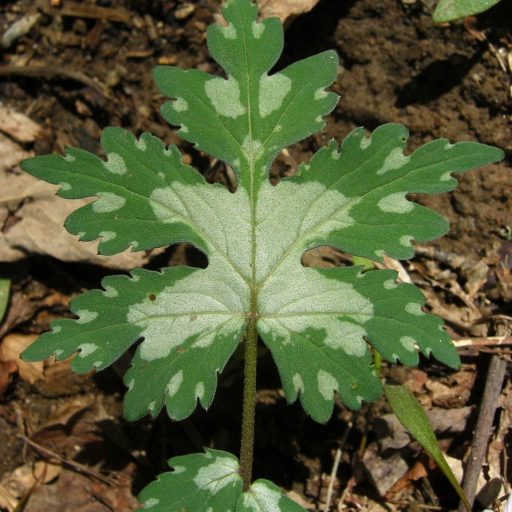
Often mistaken for a carpet of baby maple trees, the Canada Waterleaf is a lush, shade-loving perennial that transforms damp woodlands into a sea of green. Its name comes from the translucent "water spots" that appear on its young foliage, looking as if the plant is permanently dewy. This woodland beauty is a favorite for those looking to bring a wild, forest-floor aesthetic to their shady garden corners.
🔍 How to Identify
- 🍁 Leaf Shape: Large, deeply lobed leaves that closely resemble a maple leaf, often reaching 6 inches across with a distinct palmate pattern.
- 🌸 The Bloom: Dense, rounded clusters of bell-shaped flowers that range from a crisp white to a soft, ethereal lavender.
- ✨ Exerted Stamens: Look closely at the flowers; the stamens (the pollen-bearing stalks) extend far beyond the petals, giving the flower clusters a delicate, "hairy" or fuzzy appearance.
🏡 In Your Garden
- 🌑 Shade Seeker: This plant thrives in the dappled sunlight of deciduous forests. In your garden, it is a perfect candidate for north-facing walls or tucked under the canopy of large trees where other plants struggle.
- 🌱 Spreading Habit: It spreads via underground runners (rhizomes). While it isn't "invasive" in the ecological sense, it is an enthusiastic grower that can quickly create a dense, weed-suppressing groundcover in moist, rich soil.
- 💧 Dormancy Defense: It prefers soil that stays cool and damp. If the summer heat becomes too intense or the soil dries out, the plant may go dormant early to protect its roots—don't worry, it's just sleeping until next spring!
⚠️ Safety & Toxicity
- 🌿 General Status: Canada Waterleaf is generally considered non-toxic and safe for home gardens.
- 🖐️ Skin Sensitivity: The stems and leaves are covered in tiny, stiff hairs. While not a stinging plant like a nettle, these hairs can cause mild skin irritation or "itching" for people with highly sensitive skin.
- 🐾 Pet Safety: It is not known to be poisonous to cats or dogs, making it a "paws-up" choice for pet-friendly landscaping.
✨ Fun Fact
The genus name Hydrophyllum literally translates to "water leaf." This refers to the silver-grey "watermarks" on young leaves that look like dried water droplets—a clever bit of natural camouflage that helps the young plant blend into the dappled light of the forest floor before it matures.

Detailed Care Instructions
To grow Hydrophyllum canadense, also known as Eastern waterleaf, follow these steps:
- Climate: Hydrophyllum canadense is native to moist woodlands in eastern North America. It prefers a cool, shady environment with well-draining soil. Ensure that your climate matches these conditions.
- Soil: The plant prefers rich, humusy soil with good moisture retention. Amend the soil with organic matter, like compost or well-rotted manure, to improve its fertility and drainage.
- Planting: Hydrophyllum canadense can be grown from seeds or transplants. If using seeds, scatter them on the soil surface in early spring. Press them lightly into the soil, but do not cover them as they need light to germinate. If using transplants, plant them at the same depth they were in the nursery container.
- Watering: Keep the soil consistently moist, but not waterlogged. Water deeply and regularly during dry periods to ensure the plants receive enough moisture. Mulching around the plant will help retain soil moisture.
- Light: Hydrophyllum canadense prefers partial to full shade. It will not tolerate direct sunlight for extended periods. If planting in a sunny location, ensure there is some shade from trees or tall plants.
- Maintenance: Keep an eye out for weeds, as they can compete with Hydrophyllum canadense for nutrients and moisture. Regularly remove any weeds around the plants. Additionally, you may need to thin overcrowded growth or prune back any dead or damaged foliage.
- Propagation: Hydrophyllum canadense can be propagated through division or by collecting and sowing its seeds. Division can be done in early spring or fall by digging up the plant and separating the rhizomes or roots. Sow collected seeds in spring or fall, ensuring they remain in contact with the soil surface.
- Pest and disease control: Hydrophyllum canadense is generally pest and disease-resistant. However, keeping the area clean of decaying plant material can help prevent any potential issues.
Remember that Hydrophyllum canadense is a native plant, so it contributes to the local ecosystem and supports native wildlife such as bees and butterflies. Take care not to disturb or remove these plants from their natural habitats without proper permission or permits.

Place in a window with dappled sun or a spot in the middle of a room. Or directly in a window facing west or east.

Hydrophyllum Canadense is a perennial plant that requires adequate watering for its growth and development. To water this plant correctly, you will need to follow certain steps. Here are some details about how to water Hydrophyllum Canadense without mentioning its common name:
1. Soil type: Hydrophyllum Canadense prefers moist, well-draining soil with a neutral pH level. Make sure the soil is not too wet or too dry, as this can affect the plant's health.
2. Watering frequency: You should aim to water this plant once a week or more frequently, depending on the weather and the plant's needs. The soil should be kept moist, but not waterlogged.
3. Watering method: Use a watering can or a hose to water your Hydrophyllum Canadense. Water around the base of the plant, making sure that the soil is thoroughly saturated. Avoid getting water on the leaves or the flowers, as this can cause them to rot.
4. Watering time: The best time to water Hydrophyllum Canadense is early in the morning or late in the afternoon when the sun is not too hot. Avoid watering during the heat of the day, as the water may evaporate before it has a chance to soak into the soil.
5. Mulching: To help retain moisture in the soil and reduce the need for frequent watering, you can apply a layer of mulch around the base of the plant. This will also help to keep the soil temperature stable and prevent weed growth.
By following these watering tips, you can help your Hydrophyllum Canadense plant thrive and produce beautiful foliage and flowers.
To fertilize this plant, you will need a balanced fertilizer with an N-P-K ratio of 10-10-10. Use a diluted solution, mixing one tablespoon of the fertilizer with one gallon of water. Apply the fertilizer to the soil around the base of the plant every two weeks during the growing season. Be sure to water the plant before and after applying the fertilizer to prevent burning the roots. Avoid fertilizing during the dormant season.
Hydrophyllum Canadense plant requires a well-draining soil that will hold moisture, as it likes to stay consistently moist. The soil should have a pH range of 6.0 to 7.0 and be rich in organic matter. It is also important that the soil is not compacted and allows for good air circulation around the roots. A combination of peat moss, compost, and perlite or vermiculite is a good option for a soil mix.
To propagate this plant, first identify healthy and mature plants with strong root systems. Cut off a small section of the stem, approximately 4-6 inches long, just below a node or leaf joint. Remove any leaves from the bottom 2 inches of the cutting. Dip the cut end into rooting hormone powder and plant it in a container filled with a well-draining potting mix. Water the newly planted cutting thoroughly and cover it with a plastic bag to create a greenhouse effect. Place the container in a bright, indirect light location and mist regularly to maintain humidity. After several weeks, roots will begin to form and new growth will appear. Once the new plant has established a healthy root system, it can be transplanted into a larger container or into the ground.








