Plant Overview
Known as the Virginia Waterleaf, this charming native of North American forests is often mistaken for having a permanent "dew" on its foliage. It is a resilient perennial that acts as a herald of spring in deciduous woodlands. Gardeners love it for its ability to brighten up dark, damp corners where other plants might struggle to survive.
🔍 How to Identify
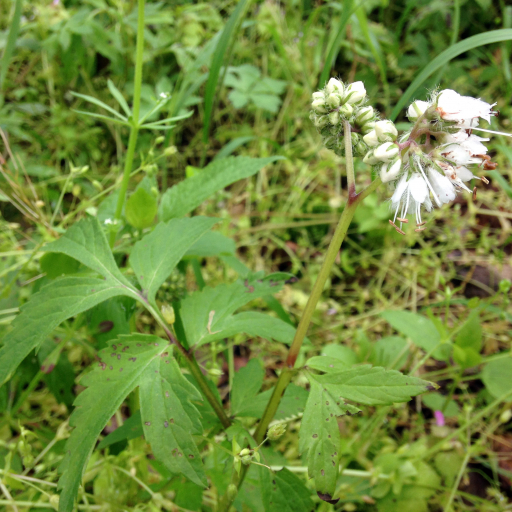
- 🍃 The "Watermark": Its most famous trait is the silver-white, blotchy spots on the young leaves that look exactly like dried water stains or splashes of white paint.
- 🌸 Fuzzy Blooms: The flowers are pale violet to white and bell-shaped, featuring exceptionally long, protruding stamens that give the flower clusters a "fuzzy" or whiskered appearance.
- 🌿 Deeply Lobed Foliage: The leaves are pinnately divided into five to seven sharply toothed segments, creating a lush, fern-like texture in your garden beds.
🏡 In Your Garden
- 🌳 The Shade Specialist: This plant is a "shade-to-part-shade" expert. It has evolved to grow beneath the canopy of large trees, making it an ideal choice for woodland gardens or north-facing walls.
- 💧 Moisture Nuance: While it craves moisture and rich, loamy soil, it is surprisingly adaptable. However, if the soil dries out too much in mid-summer, the plant may go dormant early to protect its root system.
- 🏃 Naturalizing Habit: It spreads via underground rhizomes and self-seeding. While not "invasive" in the ecological sense, it is an enthusiastic grower that can quickly create a beautiful, dense groundcover if left to its own devices.
⚠️ Safety & Toxicity
- ✅ Safe Status: Virginia Waterleaf is generally considered non-toxic to humans, cats, and dogs.
- 🧤 Mild Irritation: Some individuals with very sensitive skin may experience slight redness if they handle the hairy stems extensively. If you have reactive skin, wearing gardening gloves is a simple precaution.
- 🥗 Historical Edibility: Interestingly, the young, tender leaves were historically cooked as greens (similar to spinach) by Native American tribes, though they become tough and bitter as they age.
✨ Fun Fact
The genus name Hydrophyllum literally translates to "water leaf" from Greek. Those iconic silver "water spots" usually disappear by mid-summer as the leaves mature and the chlorophyll fills in, making the plant look like a completely different species by August!

Detailed Care Instructions
| Humidity | Normal |
| Difficulty | Medium |
| Hibernation | Cold Period |
| Temperature | 11°C - 21°C |
| Hardiness Zones | 4B - 8A |
Here are some steps to grow Hydrophyllum virginianum:
- Choose a suitable location: Hydrophyllum virginianum, also known as Eastern waterleaf, prefers partially shaded areas with moist and well-draining soil. Look for a spot in your garden that receives dappled sunlight or enjoys shade for a significant part of the day.
- Prepare the soil: Hydrophyllum virginianum prefers rich, loamy soil. Amend the soil with organic matter such as compost or well-rotted manure to improve its fertility, moisture retention, and drainage. Remove any weeds or debris from the planting area.
- Sow the seeds: Hydrophyllum virginianum can be propagated by seeds. Sow the seeds directly in the ground in the spring or early fall, as these plants require a cold stratification period of about 30-60 days. Plant the seeds at a depth of about 1/4 inch (0.6 cm) and space them about 12-18 inches (30-45 cm) apart.
- Watering: Keep the soil consistently moist, ensuring it never dries out. Water the plants deeply and regularly, especially during dry periods. However, make sure not to waterlog the soil, as excessive moisture can be detrimental to the plant's health.
- Mulch: Apply a layer of organic mulch around the plants to help retain moisture, regulate soil temperature, and suppress weed growth. Use materials like wood chips, straw, or shredded leaves.
- Maintenance: Remove any weeds that may compete with the plant for nutrients and water. Additionally, monitor for pests or diseases and take appropriate action if necessary. Prune any dead or damaged foliage to maintain a healthy appearance.
- Fertilization: Hydrophyllum virginianum generally does not require heavy fertilization. However, you can apply a balanced, slow-release fertilizer in early spring to provide some additional nutrients.
- Division and transplanting: After a few years, you may consider dividing the established clumps of Hydrophyllum virginianum to propagate more plants. This can be done in early spring or fall by carefully digging up the clumps, dividing them into smaller sections, and replanting them in suitable locations.
By following these steps, you can successfully grow and enjoy Hydrophyllum virginianum in your garden. Remember to research and consider the specific conditions and requirements of your region for the best results.

Place in a window with dappled sun or a spot in the middle of a room. Or directly in a window facing west or east.
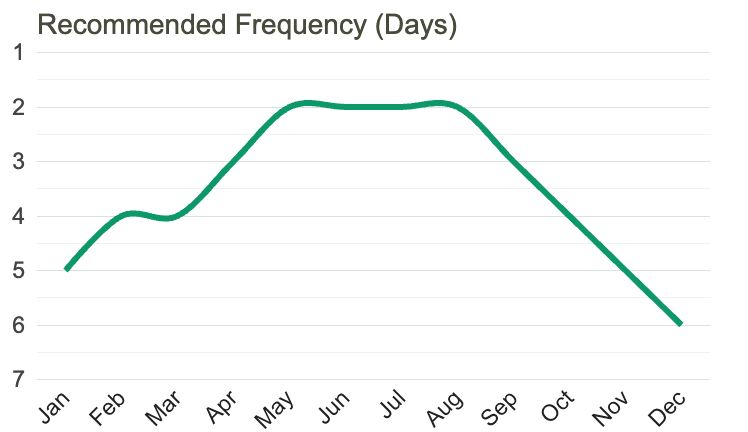
The best way to water this particular plant is to make sure that you are giving it a consistent amount of water throughout the growing season. This plant prefers an evenly moist soil, but it does not like overly wet conditions which can lead to rot. A good rule of thumb is to water deeply once a week, but this may vary depending on the soil type, sun exposure, and temperature. It is important to monitor the soil moisture and adjust the watering schedule accordingly. Additionally, avoid getting water on the leaves or flowers as this can lead to fungal diseases. Instead, water around the base of the plant. During periods of drought, you may need to increase watering frequency. Finally, it is important to use well-draining soil and provide adequate drainage in the planting area to prevent waterlogging.
To fertilize this plant, apply a balanced, water-soluble fertilizer once a month during the growing season. Use an organic or slow-release fertilizer, following the instructions on the package for application rates. Be sure to water the plant well before and after fertilizing to prevent root burn. Avoid fertilizing in the fall and winter, as the plant is dormant during this time and does not require extra nutrients.
Hydrophyllum Virginianum prefers a rich, moist soil that is well-draining. The ideal soil pH range for this plant is slightly acidic to neutral (between 6.0 to 7.0). The soil should have good organic matter content and be able to hold moisture without becoming waterlogged. A mix of loam and compost is recommended for planting this plant. Adding a layer of mulch around the plant can help retain soil moisture and suppress weed growth. Over-fertilization should be avoided as the plant can be sensitive to chemical fertilizers. Instead, use natural or organic fertilizers or compost amendments. Avoid compacted soil which can restrict root growth and cause other problems.
Hydrophyllum Virginianum plant can be propagated through division or by taking stem cuttings.
For division, the plant should be lifted from the ground and gently pulled apart into clumps. Each clump should have several healthy, young shoots and a well-established root system. These clumps can then be replanted in a suitable location.
For stem cuttings, select healthy, non-flowering stems from the plant. Cut these stems to a length of approximately 4-6 inches. Remove any lower leaves to create a bare stem. Dip the cuttings in rooting hormone powder to encourage root growth. Then, plant the cuttings in moist soil or a soilless mix. Keep the cuttings consistently moist and warm, and avoid direct sunlight until roots have formed. Once roots have developed, the new plants can be transplanted into a suitable location.








