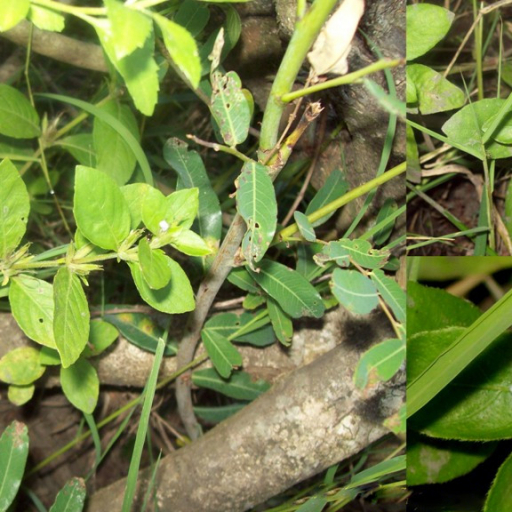
Plant Overview
Often called the Gulf Swamp Weed, Hygrophila costata is a versatile survivor that bridges the gap between the muddy riverbank and the deep water. This American native is a favorite among aquascapers and pond enthusiasts for its rapid growth and "sunken forest" appearance. Whether it's rooted in a marshy garden bed or submerged in a tropical aquarium, it brings a lush, wild energy to any water-focused landscape.
🔍 How to Identify
- 🌿 The Leaves: Long, narrow, and lance-shaped. Depending on the light, they can range from a bright "granny smith" green to a deeper olive hue.
- 🟦 The Stem: Like many members of the acanthus family, it features a distinctively square-shaped stem that feels sturdy to the touch.
- 🌸 The Blooms: When grown above water (emersed), it produces tiny, delicate white or pale violet flowers that tuck themselves right into the "armpits" where the leaves meet the stem.
🏡 In Your Garden & Aquarium
- 💧 The Shape-Shifter: This plant is "polymorphic," meaning it physically changes its leaf structure based on its environment. If you move it from a dry pot to an aquarium, don't panic if it drops its leaves—it is simply shedding its "air leaves" to grow "water leaves."
- 🍽️ A Hungry Guest: It is a notorious "nutrient sponge." In a pond or tank, it will greedily soak up nitrates and phosphates, which helps prevent algae outbreaks, but you’ll need to ensure the soil or substrate remains rich in minerals to keep it happy.
- ✂️ Growth Habit: It hates being crowded. Because it grows so fast, it can quickly shade out smaller neighbors. Regular pruning isn't just for looks; it’s necessary to keep the bottom of the plant from becoming leggy and bare.
⚠️ Safety & Toxicity
- ✅ Status: Generally non-toxic and safe.
- 🐾 Details: It is considered safe for households with curious cats, dogs, or toddlers. Because it is often used in fish tanks, it is also safe for aquatic life, though some herbivorous fish might find its tender new shoots a tasty snack!
✨ Fun Fact
The name Hygrophila comes from the Greek words hygro (moist) and phyle (lover). It literally translates to "Moisture Lover," a fitting title for a plant that refuses to grow anywhere that doesn't have "wet feet!"

Detailed Care Instructions
To grow the Hygrophila Costata plant, follow these steps:
- Lighting: Ensure that the plant receives moderate to high lighting. A minimum of 2 watts per gallon of full-spectrum light is recommended for optimal growth.
- Water parameters: Maintain a temperature between 72-82°F (22-28°C). The pH should be slightly acidic to neutral, ideally around 6.5-7.5. Consistent water parameters are crucial for healthy growth.
- Substrate: Use a nutrient-rich substrate such as aquatic soil or a plant-specific substrate to provide essential nutrients to the roots. This will facilitate healthy growth.
- Fertilization: Add a liquid aquarium fertilizer rich in iron, potassium, and other trace elements to the water column weekly or as instructed on the product label. This will ensure that the plants receive the necessary nutrients for vibrant growth.
- CO2 Injection: Consider providing CO2 supplementation to encourage faster and lusher growth. CO2 injection is not mandatory, but it can greatly enhance plant growth in a planted aquarium setup.
- Pruning: Regularly trim the plant to maintain its shape and encourage bushier growth. Inspect the plant for any dead or decaying leaves and remove them promptly to promote overall health.
- Propagation: Hygrophila Costata can be propagated through stem cuttings. Simply cut a healthy stem with a few leaves, remove the bottom leaves, and plant it into the substrate. Roots will develop, and a new plant will grow from the cutting.
- Water circulation: Ensure good water circulation near the plant to distribute nutrients and prevent algae buildup. This can be achieved by placing a gentle water flow source, such as a low-flow aquarium filter or circulation pump, near the plant.
- Maintenance: Regularly check the plant for signs of nutrient deficiency, pests, or diseases. Address any issues promptly to maintain the plant's health and prevent problems from spreading to other aquatic plants.
By following these steps and providing optimum care, your Hygrophila Costata plant should grow well and thrive in your aquarium.
In order to water this plant, first ensure that its pot or container has good drainage to avoid over-watering. Fill a watering can or bowl with room-temperature water and slowly pour the water into the soil around the base of the plant, being careful not to pour water directly onto the leaves. Allow the soil to absorb the water before discarding any excess water that may have collected in the drainage tray. Water the plant once every few days or when the top inch of soil feels dry to the touch. Additionally, avoid letting the plant sit in standing water as this can lead to root rot.
To fertilize the plant, use a balanced fertilizer and apply according to the manufacturer's instructions. It is important to avoid over-fertilization, as this can lead to algae growth and other problems. Additionally, providing adequate lighting and CO2 supplementation can further improve the plant's growth and health.
Hygrophila Costata requires a nutrient-rich soil that is well-draining. The ideal soil mix should have a good balance of organic matter, such as compost or peat moss, and also include a small amount of sand or perlite to increase drainage. A pH level of 6.5 to 7.5 is recommended. It is important to avoid using soils that are too dense or clay-like, as they can lead to root rot and other issues. Additionally, adding fertilizer or supplements can help to promote healthy growth and ensure that the plant receives the necessary nutrients to thrive.
To propagate Hygrophila Costata, you will need to take a cut stem from the parent plant. Make sure that the stem has at least 3-4 nodes. These nodes are where the leaves grow from. Cut the stem just below the bottom-most node.
Fill a small container with water, and insert the stem cutting into the container. Make sure that the container is placed in a location where it can receive bright, indirect sunlight. Monitor the water level in the container and add more as needed to ensure that the stem cutting is always submerged in water.
After a few weeks, new roots should begin to form from the nodes on the stem. Once the roots are a few inches long, you can plant the stem cutting in a pot with aquatic soil.
Make sure that the pot is filled with water and placed in a location with bright, indirect sunlight. As the new plant grows, you can slowly increase the water level in the pot until it is fully submerged. With proper care, the new Hygrophila Costata plant should grow and thrive in its new home.








