Plant Overview
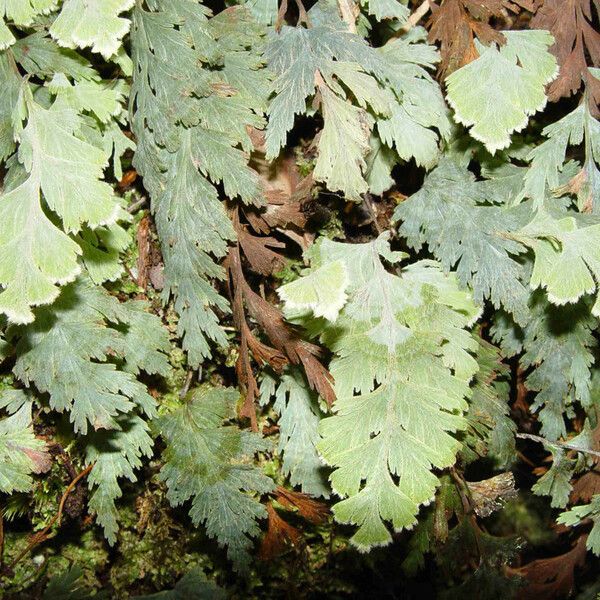
Often called the Pallid Filmy Fern, this botanical ghost looks like it belongs in a deep-sea reef rather than a forest. Its name, pallidum, refers to its unique, silvery-pale hue that seems to shimmer in the damp shade of tropical cloud forests. These ferns are true masters of moisture, thriving only where the air is thick with constant mist and mystery.
🔍 How to Identify
- 🌿 Translucent Fronds: The leaves are incredibly thin—often only a single cell layer thick—giving them a delicate, see-through appearance when held to the light.
- 🌫️ Pale Glaucous Sheen: Unlike the deep greens of most forest ferns, this species has a distinct pale, almost bluish-white tint that makes it stand out against dark moss.
- 🕸️ Filiform Rhizomes: It spreads via thin, wiry, hair-like stems that allow it to "crawl" across mossy bark or damp rocks in intricate patterns.
🏡 In Your Garden
- 💧 The Humidity Requirement: Because their leaves lack a thick "skin" (cuticle) to prevent water loss, they cannot survive in typical household air. They are essentially "terrarium-only" plants that require nearly 100% humidity to keep their fronds from shriveling.
- 🌳 Epiphytic Lifestyle: In nature, they don't grow in soil. If you are keeping one, it should be tucked into live sphagnum moss or mounted on a piece of fern wood rather than buried in a pot, as they prefer their roots to stay airy and damp.
⚠️ Safety & Toxicity
- ✅ Non-Toxic: This fern is considered safe and non-poisonous to humans, cats, and dogs.
- 🥀 Physical Fragility: The primary "safety" concern is for the plant itself; it is extremely sensitive to touch and chemical fertilizers. Even the oils from human skin can sometimes damage its ultra-thin fronds.
✨ Fun Fact
Because their leaves are so thin, Filmy Ferns like Hymenophyllum pallidum can absorb water and nutrients directly through their entire leaf surface, functioning almost like a sponge rather than a traditional rooted plant!

Detailed Care Instructions
To grow the Hymenophyllum Pallidum plant, also known as the Pale Filmy Fern, you can follow these steps:
- Obtain the plant: Purchase a Hymenophyllum Pallidum plant from a nursery, plant store, or online seller. Make sure to choose a healthy plant with green fronds.
- Choose the right growing conditions: Hymenophyllum Pallidum prefers a cool and shady environment. Select a location in your home or garden that receives indirect sunlight or dappled shade throughout the day.
- Prepare the planting medium: Use a well-draining potting mix for ferns or orchids. Alternatively, you can create a mixture by combining equal parts peat moss, orchid bark, and perlite. This mix will provide adequate drainage while retaining necessary moisture.
- Plant the fern: Select a pot or hanging basket with drainage holes. Place a layer of small rocks or broken pottery at the bottom to ensure proper drainage. Gently place the fern in the prepared planting medium, covering the roots with soil. Press firmly to secure the plant, but avoid compacting the soil too heavily.
- Watering: Hymenophyllum Pallidum prefers consistently moist soil, but not waterlogged. Water the plant thoroughly when the top inch of soil feels dry, allowing the excess water to drain out of the pot. Never let the plant sit in standing water.
- Humidity: Pale Filmy Ferns prefer high humidity levels. If your environment is dry, consider using a humidity tray or misting the fronds with water to increase humidity around the plant.
- Temperature: Ideally, keep the temperature around the Hymenophyllum Pallidum plant between 60°F and 70°F (15°C to 21°C). Avoid exposure to extreme temperatures or drafts.
- Fertilizing: Feed your Hymenophyllum Pallidum plant monthly during the growing season (spring and summer) using a balanced liquid fertilizer diluted to half strength. Follow the instructions on the fertilizer packaging for correct dosage.
- Pruning: Remove any dead or yellowing fronds by cutting them off at the base with sharp, sterilized pruning shears. This will keep the plant healthy and encourage new growth.
- Repotting: Every couple of years, consider repotting the Hymenophyllum Pallidum plant if it becomes root-bound. Choose a slightly larger pot and fresh potting mix during this process.
Remember to regularly observe your plant for any signs of pests or diseases, and take immediate action if needed. With proper care, your Hymenophyllum Pallidum should thrive and flourish.

Place in a dark room with little light, like a dark bedroom or a spot far away from a window or directly in a north-facing window.

To water this plant, it is important to provide a consistent moisture level without waterlogging the soil. It is recommended to use distilled or rainwater to prevent accumulation of salts and minerals that can harm the plant. Watering should be done when the soil surface feels dry to the touch, but before it becomes completely dry. It is important to avoid letting the soil completely dry out, as this can cause irreversible damage to the plant. Watering should be done slowly and evenly, allowing water to penetrate into the soil rather than running off the surface. It is also important to ensure proper drainage to prevent waterlogging, which can lead to root rot and other problems.
To fertilize this plant, use a balanced liquid fertilizer diluted with water at half the recommended strength. Apply the fertilizer to the soil around the plant once a month during its growing season, which is typically spring and summer. Do not over-fertilize as this can damage the plant. Additionally, ensure that the soil is moist before applying fertilizer.
The Hymenophyllum Pallidum plant prefers a well-draining soil that is moist and has good nutrient content. It grows best in soils that are slightly acidic with a pH between 5 and 6.5. The soil should be rich in organic matter and contain a mix of sand, peat moss, and perlite. The use of a mixture of soil and orchid bark or sphagnum moss is also recommended. The plant requires well-draining soil because it is sensitive to overwatering and can develop root rot if the soil is too wet. It is important to keep the soil moist but not waterlogged and to fertilize the plant with a balanced fertilizer during the growing season.
Hymenophyllum pallidum is a type of fern that can be propagated through spores. To propagate this plant, you will need a mature fern with fronds that are ready to release spores.
First, select a healthy mature frond and hold it over a piece of paper. Tap the frond gently to release the spores onto the paper. Make sure to do this over a container to catch any spores that may scatter.
Once you have enough spores on the paper, you can create a spore mix. To do this, mix the spores with a small amount of water to create a slurry.
Prepare a pot or container with moist soil mix. Sprinkle the spore slurry on top of the soil, covering it evenly. Cover the pot with a plastic bag to create a humid environment, which will help the spores grow.
Keep the pot in a bright but shaded location and maintain soil moisture by misting regularly. After a few weeks, you should start to see tiny green sprouts appearing. These are the young ferns that have grown from the spores.
Once the ferns are large enough to handle, you can transplant them into individual pots or into the garden. Make sure they have enough moisture and light to continue growing. With time and care, you can grow a beautiful Hymenophyllum pallidum fern from spores.








