Plant Overview
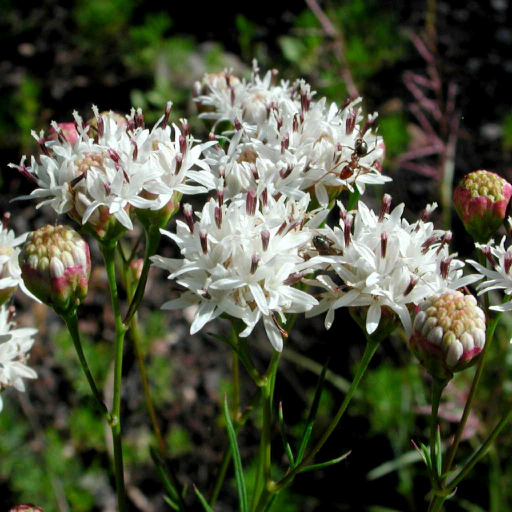
Known affectionately as Wright’s Thimblehead, this Southwestern native looks like it belongs in a minimalist floral arrangement. Rising from the rocky slopes of Arizona, New Mexico, and Texas, it is a master of elegance in harsh conditions. It is often found dancing in the wind along mountain roadsides, providing a delicate contrast to the rugged desert landscape.
🔍 How to Identify
- 🌸 Thimble Flowers: The blooms are small, white-to-pale-pink clusters of disc florets. Unlike daisies, they lack large outer petals, giving them a rounded, "pincushion" or thimble-like shape.
- 🌿 Lacy Foliage: Its leaves are deeply divided into thin, thread-like segments, creating a wispy, airy appearance that allows the plant to blend into the dry brush.
- 📏 Wiry Stature: The plant features slender, upright stems that can reach up to 2–3 feet tall, usually branching out near the top to display multiple flower heads.
🏡 In Your Garden
- 🏜️ Rock Garden Star: This plant thrives in "lean" conditions. It hates "wet feet," so it is best suited for well-draining, gritty soil. If you have heavy clay, plant it on a slope or in a raised rockery to mimic its mountain home.
- 🦋 Pollinator Buffet: Despite its subtle, understated look, it is a high-traffic zone for local butterflies and native bees. It’s an excellent choice for a wild meadow or a "zeroscaped" backyard focused on biodiversity.
⚠️ Safety & Toxicity
- ✅ General Safety: Wright’s Thimblehead is not known to be toxic to humans, dogs, or cats. It is generally considered a safe, wildlife-friendly addition to the landscape.
- 🧤 Contact Sensitivity: As a member of the Aster (Daisy) family, some sensitive individuals may experience mild skin irritation if they spend a lot of time pruning or handling the plant with bare hands.
✨ Fun Fact
The genus name Hymenothrix is derived from the Greek words for "membrane" and "hair." This refers to the tiny, translucent, hair-like scales found on its seeds, which help them catch the breeze and travel across the desert to find new places to grow.

Detailed Care Instructions

Some plants require more regular watering than others, which should be done every few days. It's critical to maintain the soil moist all of the time. The water requirements of the same plant placed in pots with varying sizes will differ. Because the water in the smaller pot evaporates faster than the water in the larger pot, it will require more watering. Regardless of pot size, the surface should constantly be maintained moist.








