Plant Overview
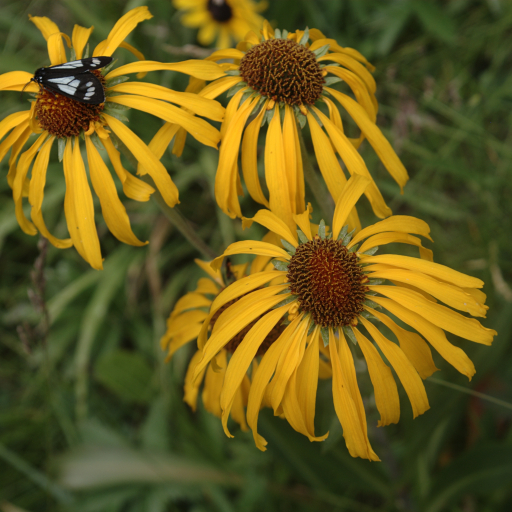
Known affectionately as Owl's Claws for its uniquely curved petals, Hymenoxys hoopesii is a radiant sunburst of the high-altitude Western American mountains. This sturdy perennial blankets subalpine meadows in gold, often standing as a beacon for high-elevation pollinators. While it looks like a friendly, oversized dandelion, it carries a rugged mountain spirit and a "wild" reputation among high-country ranchers.
🔍 How to Identify
- 🦉 The "Claws": The flower heads feature long, bright yellow to orange ray petals that often curve downward or backward, resembling the talons of an owl.
- 🌿 Strap-like Leaves: The foliage consists of smooth, elongated, lance-shaped leaves that are a soft grey-green, often forming a dense clump at the base of the plant.
- 🕸️ Fuzzy Stems: Look closely at the tall, unbranched stems; they often have a fine, cobweb-like fuzz, especially just below the flower head.
🏡 In Your Garden
- 🏔️ Mountain Specialist: This plant is a high-altitude native. It thrives in cool, moist summers and prefers the rocky, well-draining soil found in alpine regions. In low-land gardens with high humidity or extreme overnight heat, it may struggle to stay vibrant.
- ⚓ The Taproot Rule: It possesses a deep, stubborn taproot that allows it to survive harsh winters and droughts. However, this means it absolutely hates being transplanted. Once you tuck it into the ground, avoid moving it at all costs.
⚠️ Safety & Toxicity
- 🐑 Livestock Warning: This plant is notorious among sheep and cattle ranchers. It contains sesquiterpene lactones that are toxic if ingested in large quantities.
- 🤢 Spewing Sickness: While humans and pets are unlikely to eat it due to its bitter taste, it can cause "spewing sickness" (chronic vomiting) in grazing animals. Keep it in ornamental beds away from areas where pets might graze on garden greens.
✨ Fun Fact
In the 19th century, before it was well-studied by botanists, this plant was a major mystery for shepherds in the Rocky Mountains. It was so effective at making sheep sick that it was known simply as the "Spewing Sickness Plant" before gaining its more majestic name, Owl's Claws!

Detailed Care Instructions
To grow Hymenoxys hoopesii, also known as orange sneezeweed or Hoopes' sneezeweed, follow these steps:
- Location: Choose a location that receives full sun or partial shade. The plant prefers well-draining soil, so ensure the soil is loose and not compacted.
- Soil Preparation: Amend the soil with organic compost or well-rotted manure to improve fertility and drainage. This plant prefers slightly alkaline soil with a pH level between 6.5 to 7.5.
- Planting: Sow the seeds directly into the prepared soil after the danger of frost has passed. Plant the seeds about 1/4 inch deep and space them 12-18 inches apart. Lightly tamp down the soil and water gently.
- Watering: Keep the soil moist but not soggy during the germination period. Once the plants are established, they become more drought-tolerant, so reduce watering frequency. However, during prolonged dry spells, provide adequate water to prevent wilting.
- Fertilization: Hymenoxys hoopesii doesn't require heavy fertilization but can benefit from a balanced, slow-release fertilizer in the spring. Follow the manufacturer's instructions for application rates.
- Mulching: Apply a layer of organic mulch around the plants to conserve moisture, suppress weed growth, and regulate soil temperature. Avoid piling mulch against the plant stems to prevent rot or fungal diseases.
- Pruning: After the plant has finished blooming, you can prune it back to encourage a bushier growth habit. Trim the spent flowers and remove any dead or damaged foliage as needed.
- Pest and Disease Control: Hymenoxys hoopesii is generally pest and disease resistant. However, keep an eye out for aphids or other common garden pests. If necessary, treat them with an organic insecticide or use a strong stream of water to dislodge them from the plant.
- Propagation: If you want to propagate additional plants, you can collect and sow the seeds in the fall or spring. Alternatively, propagate through stem cuttings taken in late spring or early summer.
Remember to check your local regulations before growing this plant, as it may have restrictions in some areas due to its invasive potential.

Place in a window with dappled sun or a spot in the middle of a room. Or directly in a window facing west or east.

To properly water this plant, first identify the specific growing conditions it requires, including its soil type, light exposure, and ideal temperature range. Use a watering can or pitcher to gently water the soil around the roots, being careful not to splash the water onto the foliage. Allow the soil to dry out slightly between waterings, but avoid letting it completely dry out or become waterlogged. Monitor the plant's growth and appearance to determine if it needs more or less water, and adjust accordingly. It may be helpful to use a moisture meter or stick to check the moisture level of the soil.
To fertilize this plant, use a balanced, slow-release fertilizer that is low in nitrogen. Apply the fertilizer once in the early spring and again in mid-summer, following the instructions on the package. Be sure to water the plant well after fertilizing to allow the nutrients to reach the roots. Avoid over-fertilizing, as this can damage the plant.
The best type of soil to use for Hymenoxys Hoopesii plants is a well-draining soil that is rich in organic matter and has a pH level between 6.0 and 7.5. The soil should be relatively light and airy, with plenty of pore space to allow for good root growth and water infiltration. It is important to avoid heavy clay soils or soils that are constantly wet, as this can lead to root rot and other problems. Adding a layer of mulch around the base of the plant can help to retain moisture and keep the soil cool during hot weather. Additionally, fertilizing the plant with a balanced fertilizer once or twice a year can help to keep it healthy and promote vigorous growth.
To propagate this plant, collect seeds in late summer or early fall when the seed heads have turned brown and dry. Clean the seeds by removing any debris and store them in a cool, dry place until planting. To plant the seeds, scatter them thinly on a well-draining soil mix and cover lightly with soil. Water gently and place the pot in a warm and bright location.
Alternatively, stem cuttings can also be taken in late spring or early summer. Take a 4-6 inch cutting from a healthy, mature stem and remove the leaves from the lower half. Dip the cut end into a rooting hormone and plant it in a well-draining soil mix. Cover the pot with a plastic bag to create a greenhouse effect, and mist the cutting regularly. Once roots have formed, remove the plastic bag and transplant the cutting into its permanent location.








