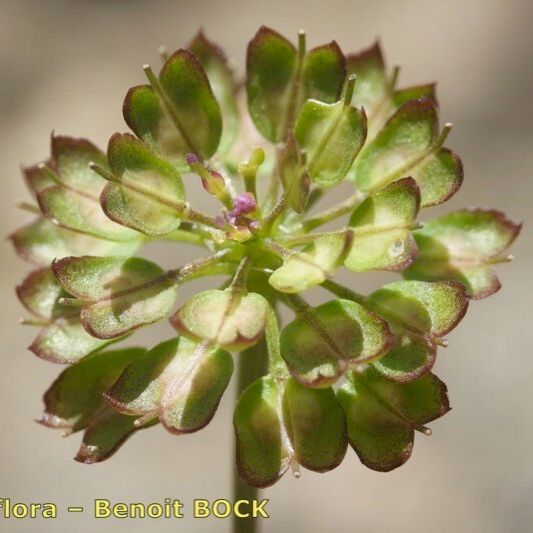
Plant Overview
Known as the Iberian Candytuft, this resilient little perennial is a high-altitude specialist native to the rugged mountains of southern Spain. It is often found clinging to limestone crevices in the Sierra Nevada, earning it a reputation as a "mountain survivor" that looks like a dusting of fresh snow against the grey rock. Its name "Nazarita" pays homage to the ancient Nasrid kingdom of Granada, where this plant still thrives today.
🔍 How to Identify
- 🌼 Petal Structure: Look for small, clustered white flowers arranged in "corymbs" (flat-topped heads). Each individual flower has four petals, with the outer two petals being significantly larger than the inner two.
- 🍃 Foliage: The leaves are dark green, narrow, and slightly fleshy to help the plant retain moisture in the thin mountain air. They usually form a dense, evergreen carpet close to the ground.
- 📐 Growth Habit: It grows in a compact, cushion-like shape, rarely reaching more than a few inches in height. This low profile protects it from the harsh, biting winds of its native habitat.
🏡 In Your Garden
- ⛰️ Rocky Roots: This plant hates "wet feet." Because it naturally grows in rock crevices, it requires exceptionally well-draining soil. If you plant it in heavy clay, its roots will rot quickly; it is much happier in a rock garden or a gravel bed.
- ☀️ Sun Seeker: To keep its growth tight and its flowers abundant, it needs full sun. In the shade, it tends to get "leggy" and stretched out as it searches for the light, losing its characteristic tidy appearance.
⚠️ Safety & Toxicity
- 🛡️ Low Toxicity: Iberis nazarita is generally not considered highly poisonous, but like many members of the mustard family, it contains compounds that can cause irritation.
- 🐾 Pet Watch: If ingested in large quantities by curious dogs or cats, it may cause mild stomach upset or drooling. It is best placed in areas where pets won't be tempted to graze on it.
✨ Fun Fact
🏛️ The genus name Iberis comes from Iberia, the ancient name for the Spanish peninsula, while the common name "Candytuft" doesn't refer to candy—it actually comes from Candia, the old name for the island of Crete, where early species of this genus were first discovered by English botanists.

Detailed Care Instructions








