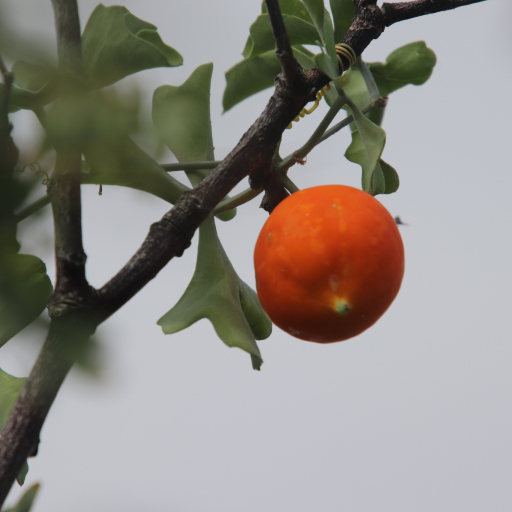
Plant Overview
Known as the "Guarequi" or "Coyote Melon," this fascinating desert dweller from the Sonoran sands of Mexico looks more like a weathered boulder than a living plant. It is a member of the gourd family, prized by succulent collectors for its massive, water-storing base. For centuries, it has been a staple in traditional Mexican medicine, though it remains a rare and "architectural" gem in the home garden.
🔍 How to Identify
- 🪨 The Caudex: A large, corky, grayish-white bulbous base that resembles a textured rock or an elephant’s foot. It acts as a massive water reservoir.
- 🌿 The Vines: Slender, green, climbing stems emerge from the top of the bulb during the rainy season, equipped with curly tendrils to grab onto nearby shrubs.
- 🔴 The Berries: Following small yellow flowers, the plant produces round fruits that start green with white stripes and turn a brilliant, eye-catching red when ripe.
🏡 In Your Garden
- 🌵 The "Living Rock" Strategy: In the wild, the caudex is often partially buried to stay cool. In a pot, enthusiasts usually "lift" the bulb above the soil line to show off its unique, woody texture.
- 💤 Dormancy Nuance: This plant is a master of timing. When the weather cools, the vines will wither and die back completely. This is normal! Do not increase watering during this time, or the "rock" will rot from the inside out.
- ☀️ Sun & Soil: It craves heat but appreciates a bit of shade on the bulb itself while the vines reach for the full sun. Use a very gritty, cactus-leaning soil mix to ensure the roots never sit in dampness.
⚠️ Safety & Toxicity
- 🚫 Status: Potentially toxic if ingested raw.
- 🐾 Details: While the Guarequi is studied for its medicinal properties (specifically for blood sugar management), the raw plant contains bitter compounds that can cause severe stomach upset. Keep the bright red berries away from children and pets, as they may look like candy but can cause vomiting and distress.
✨ Fun Fact
The Guarequi is a true "slow-grower." In its natural habitat, a large specimen the size of a basketball might be over 70 to 100 years old, having survived decades of extreme desert heat by sipping slowly from its internal water tank.

Detailed Care Instructions

Place in a bright room that is sun drenched almost all day. Or directly in a south-facing window.

Water-loving plants flourish in wet or sloppy soil and near ponds. The extensive root system enables these plants to absorb plenty of water. The surface of the soil should be kept moist at all times. Place your pot in a container filled with water to guarantee that plants get enough water. If the ground becomes dry, it is recommended that you water it well. Plants in smaller pots will need to be watered more frequently. Water the soil in which the plant is standing thoroughly using a watering can.








