Plant Overview
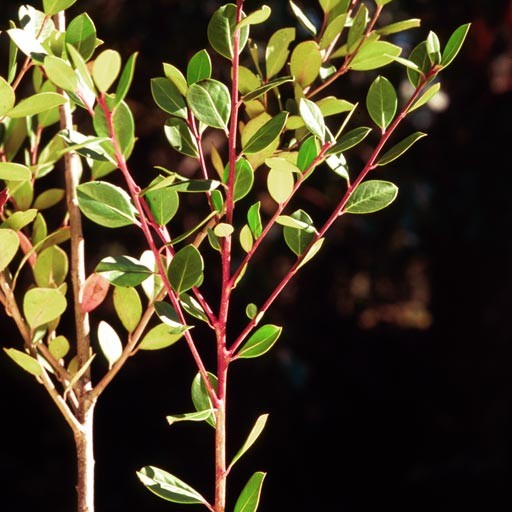
Commonly known as the Large Gallberry or Sweet Gallberry, this native shrub of the Southeastern United States is the unassuming royalty of the coastal wetlands. Often found bordering swamps and pine flatwoods, it earns its "Sweet" nickname from the fragrant, nectar-rich flowers that bloom in late spring. While it lacks the bright red berries of classic Christmas hollies, its glossy, deep-green foliage provides year-round structure and elegance to damp landscapes.
🔍 How to Identify
- 🍃 Leathery Foliage: The species name coriacea means "leathery," referring to the thick, glossy, dark green leaves that feel tough to the touch.
- 🖤 Inky Berries: Unlike many hollies, this plant produces shiny black berries (drupes) that ripen in the fall and often persist through the winter.
- 🦷 Spineless Edges: While most hollies are prickly, the Large Gallberry has smooth leaf edges with only a few tiny, inconspicuous teeth near the tip.
- ☁️ Creamy Blooms: In spring, it produces clusters of small, four-petaled white flowers that emit a subtle, honey-like fragrance.
🏡 In Your Garden
- 💧 The Wetland Warrior: This plant is an "obligate wetland" species, meaning it absolutely loves "wet feet." It is the perfect solution for those soggy, low-lying areas of your yard where other shrubs might drown.
- 🧪 Acidic Preferences: It thrives in highly acidic, peaty soils. If your soil is alkaline, the leaves may turn yellow (chlorosis), as the plant struggles to take up nutrients.
- 🐝 Wildlife Buffet: If you are a beekeeper or bird lover, this is a must-have. It is a primary nectar source for honeybees and provides critical winter forage for songbirds like mockingbirds and waxwings.
⚠️ Safety & Toxicity
- 🚫 Toxic Status: Like all members of the Ilex genus, the berries and leaves are considered toxic if ingested.
- 🤢 Symptom Check: The plant contains saponins and methylxanthines. If eaten by children or pets (cats and dogs), it can cause significant stomach upset, vomiting, drooling, and diarrhea.
- 🧤 Skin Sensitivity: While not typically a skin irritant, the sap can occasionally cause mild redness in people with sensitive skin during heavy pruning.
✨ Fun Fact
The Large Gallberry is the secret ingredient behind some of the finest honey in the world! "Gallberry Honey" is a highly prized monocultural honey produced in the South, known for its light color, heavy body, and the unique fact that it does not granulate (crystallize) as quickly as other honeys.

Detailed Care Instructions
To grow Ilex coriacea, also known as the large gallberry or inkberry holly, you can follow these steps:
- Climate and Soil: Determine if your climate is suitable for growing Ilex coriacea. It is native to southeastern and southwestern United States, typically growing in wetland areas. It thrives in moist, acidic soils with good drainage.
- Plant Selection: Obtain a healthy Ilex coriacea plant from a reputable nursery or garden center. Alternatively, you can collect seeds from an existing plant if available.
- Planting Location: Choose a planting location that receives full to partial sunlight. Enrich the soil with organic matter, such as compost or peat moss, to improve drainage and fertility.
- Planting Process: Dig a hole slightly larger than the rootball of the plant. Place the plant in the hole, making sure the top of the rootball is level with or slightly above the soil surface. Backfill the hole with soil and gently firm it around the base of the plant. Water thoroughly.
- Watering: Keep the soil consistently moist, especially in the early stages of growth. Water deeply and regularly, but avoid overwatering or allowing the plant to sit in standing water.
- Mulching: Apply a 2-3 inch layer of organic mulch, such as wood chips or pine needles, around the base of the plant to help retain moisture and suppress weeds.
- Pruning: Regular pruning is not necessary for Ilex coriacea, but you can prune to shape the plant or remove any dead or damaged branches. Late winter or early spring is the best time to prune.
- Fertilizing: If the soil is poor, you can apply a slow-release, balanced fertilizer in early spring. Follow the manufacturer's instructions for application rates.
- Pest and Disease Control: Ilex coriacea is generally resistant to pests and diseases. However, keep an eye out for common garden pests like aphids or spider mites. Use appropriate insecticides or organic pest control methods if necessary.
- Winter Protection: Provide winter protection in colder regions by applying a layer of mulch around the base of the plant and wrapping it with burlap or frost protection fabric.
By following these steps, you should be able to successfully grow Ilex coriacea. Remember to monitor the plant's water needs and overall health, and make any necessary adjustments to its care regimen.

Place in a window with dappled sun or a spot in the middle of a room. Or directly in a window facing west or east.

To properly water this plant, it is important to thoroughly saturate the soil until water begins to drip out of the drainage holes at the bottom of the pot. It is crucial to allow the soil to dry out between waterings to avoid overwatering and root rot. Check the soil regularly by sticking a finger two inches deep into the soil - if it feels dry, it is time to water. Avoid getting water on the leaves, as this can lead to disease and fungus. It is best to water this plant in the morning or early afternoon, allowing the soil to dry before the sun sets.
To fertilize the plant, first ensure that it is planted in well-draining soil. Then, choose a fertilizer with an N-P-K ratio of 10-10-10 or 15-15-15. Apply the fertilizer in the spring before new growth appears and again in the fall after the growing season has ended. Water the plant thoroughly after fertilizing to help the nutrients reach the roots. Avoid over-fertilizing, as this can damage the plant and harm surrounding soils.
Ilex Coriacea is a type of plant that requires a specific type of soil to grow properly. The soil that is best suited for this plant is acidic, well-drained, and rich in nutrients. It should also be able to retain moisture while allowing for proper aeration. The ideal pH range for the soil should be between 5.0 and 6.5. To achieve this kind of soil, it can be amended with organic matter, such as peat moss, leaf mold, or compost. It is also recommended to avoid using hard water or using water that has been treated with softening agents, as this can lead to issues such as chlorosis. Overall, providing Ilex Coriacea with the proper soil conditions will aid in its growth and overall health.
To propagate this plant, you will need to take a softwood cutting in the spring or early summer. Choose a stem that is healthy and has no signs of disease or pests. Cut the stem at a 45-degree angle using a sharp pair of pruning shears. Remove the lower leaves from the stem, leaving only a few at the top. Dip the cut end of the stem in rooting hormone powder and plant it in a pot filled with a well-draining potting mix. Place the pot in a warm, bright location but out of direct sunlight. Keep the soil moist but not waterlogged and mist the leaves with water regularly to keep them from drying out. In several weeks, roots will begin to develop and new growth will appear on the stem. Once the plant has rooted, you can transplant it to a larger pot or outside in the garden.








