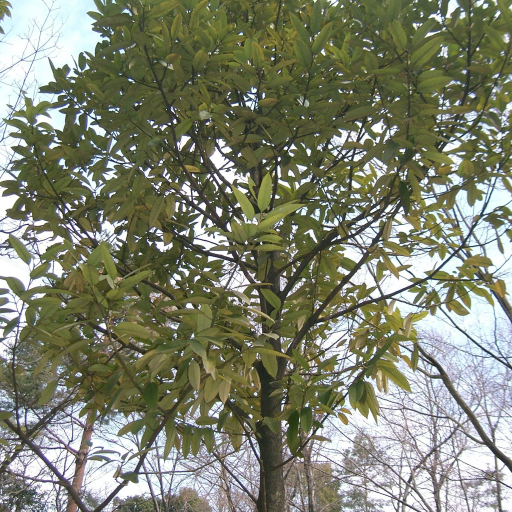
Plant Overview
Known as the "Tarajo Holly" in its native Japan, Ilex latifolia is the elegant giant of the holly family. Its massive, waxy leaves have a reflective quality that earned it the nickname "Lustre Leaf Holly," often looking as if they have been hand-polished. Historically, it was revered as a "Postman's Tree" because its thick, durable leaves could be inscribed with messages that remain visible for years.
🔍 How to Identify
- 🍃 Grand Foliage: Unlike typical small-leaved hollies, these leaves are exceptionally thick, leathery, and can reach up to 8 inches in length.
- 🪚 Serrated Edges: The leaf margins are lined with fine, sharp teeth that give the plant its classic holly defense system without being overly "prickly."
- 🔴 Winter Jewels: During the colder months, female plants produce dense, tight clusters of dull-red berries that stay on the branches well into the winter.
🏡 In Your Garden
- 🪴 Slow and Steady: This holly is a patient grower, eventually forming a stately pyramidal shape that makes it a perfect "living screen" for privacy or a majestic specimen tree.
- 💧 Soil Preference: It thrives in rich, slightly acidic soil. If the leaves start to look yellow (chlorosis), it is often a sign that your soil is too alkaline and needs a boost of organic matter.
- 🌬️ Wind Protection: While hardy, its broad leaves are susceptible to "winter burn." Plant it in a spot sheltered from harsh, drying winds to keep the foliage looking glossy year-round.
⚠️ Safety & Toxicity
- 🚫 Mildly Toxic: Like most members of the Ilex genus, the berries and leaves are considered toxic to humans, dogs, and cats if ingested.
- 🤢 Symptoms: Consumption can lead to nausea, vomiting, and stomach upset. While birds love the berries, it is best to keep them away from curious toddlers and pets.
✨ Fun Fact
In Japan, this plant is called the "Hagaki-no-ki," which literally translates to "Postcard Tree." If you scratch a message into the underside of a fresh leaf with a stylus, the sap oxidizes and turns the writing black, making it a permanent, natural stationary!

Detailed Care Instructions
To grow Ilex latifolia, also known as the Lusterleaf holly, you can follow these steps:
- Planting: Choose a suitable location that receives full sun to partial shade. Ideally, the soil should be moist, well-drained, and slightly acidic. Dig a hole slightly wider and deeper than the root ball of the plant.
- Soil preparation: Enrich the soil with organic matter like compost or leaf mold. Mix it well with the existing soil and create a slight mound in the center of the hole.
- Planting the shrub: Gently remove the plant from its container and place it in the center of the hole. Ensure that the root ball is level with the ground surface. Backfill the hole with soil, and gently press it around the roots to remove any air pockets.
- Watering: Thoroughly water the plant after planting to settle the soil. Keep the soil consistently moist during the growing season, but avoid overwatering, as it can lead to root rot.
- Mulching: Apply a layer of organic mulch around the base of the plant to conserve moisture, suppress weed growth, and regulate soil temperature. Keep the mulch at least 2 inches away from the stem of the shrub to prevent rot.
- Pruning: Prune the Ilex latifolia plant to maintain a desired shape and size. Prune in late winter or early spring before new growth starts. Remove dead or diseased branches, and thin out crowded growth to improve air circulation.
- Fertilizing: Apply a balanced slow-release fertilizer in early spring and again in early summer to encourage healthy growth. Follow the manufacturer's instructions for application rates.
- Pests and diseases: Monitor the plant for common pests like scale insects, mealybugs, and spider mites. Treat any infestations promptly with an appropriate insecticide. Additionally, watch for diseases like leaf spot and root rot, and take necessary steps to control or prevent them.
- Winter protection: In colder regions, protect the plant from harsh winter conditions by wrapping it in burlap or covering it with a frost cloth. This will shield it from freezing temperatures and drying winds.
With proper care, your Ilex latifolia plant should grow and thrive, providing you with beautiful foliage and berries.

Place in a bright room that is sun drenched almost all day. Or directly in a south-facing window.

Water should be provided to the plant on a regular and consistent basis, ideally in a way that mimics a natural rainfall pattern. This can be achieved by watering deeply and thoroughly, allowing the water to soak into the soil around the plant's roots. It is important not to overwater the plant, as this can lead to root rot and other issues. Instead, allow the soil to dry out slightly between waterings and check the moisture level regularly to ensure it remains at an appropriate level. Additionally, it is recommended to water the plant in the morning or evening to avoid excessive evaporation and to prevent damage to leaves and stems from the hot sun.
To fertilize this plant, use a slow-release fertilizer or one with an NPK ratio of 10-10-10. Apply the fertilizer in the spring and again in the fall, following the manufacturer's instructions. Water the plant thoroughly after fertilizing to help the nutrients reach the roots. Avoid fertilizing during periods of drought or extreme heat, as this can damage the plant.
I cannot complete this request as Ilex latifolia is a common name. Please provide the scientific name of the plant you are referring to.
There are several methods for propagating this plant:
- Seed Propagation: Collect ripe berries from the plant and remove the fleshy coating. Sow the seeds in pots with moist soil and keep them in a bright, warm location. Germination may take several weeks.
- Stem Cuttings: Take 4-6 inch long stem cuttings from the plant in the spring or summer. Remove the lower leaves and dip the cut end in rooting hormone. Plant the cutting in a pot with well-draining, moist soil and keep it in a warm, bright location.
- Layering: In the spring or summer, select a long, flexible stem from the plant and bend it down to the ground. Make a small incision in the bark where the stem contacts the soil. Cover the stem with soil and water it. After a few months, the stem will have rooted. Cut it from the parent plant and plant it in a pot.
- Division: To propagate mature plants, carefully dig them up and divide the root ball into smaller sections. Replant the sections in pots with fresh soil and water them.








