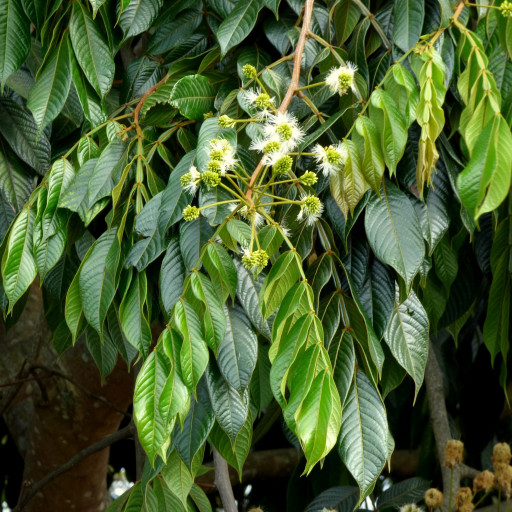
Plant Overview
Meet the "Ice Cream Bean," a fast-growing tropical wonder that produces fruit tasting remarkably like vanilla custard or cotton candy. Native to the Amazon rainforest, it is a favorite in permaculture for its ability to "heal" the earth while providing a delicious snack. Whether you call it Guama or Johey, this tree is a true powerhouse of the legume family.
🔍 How to Identify
- 🍃 Winged Leaves: The foliage is dark green and compound, but the real giveaway is the "winged" rachis. This means the stem connecting the leaflets has small, leafy flanges that look like tiny green wings.
- 🍦 The Pods: It produces massive, ribbed, sword-shaped green pods that can grow over two feet long. When cracked open, they reveal large black seeds nestled in a snow-white, fluffy, and moist pulp.
- ☁️ Pom-pom Flowers: The blooms are beautiful white clusters that look like delicate, fuzzy bursts or tiny fireworks, specifically designed to attract hummingbirds and honeybees.
🏡 In Your Garden
- 🌱 The Soil Architect: This plant is a "nitrogen fixer." It works with beneficial bacteria in the soil to pull nitrogen from the air and store it in its roots, essentially fertilizing itself and any plants growing nearby.
- 🚀 Rapid Growth: Be prepared for speed! In the right tropical conditions, an Inga edulis can grow several meters in a single year. Because it grows so fast, it is often used as a "nurse tree" to provide quick shade for more delicate plants like coffee or cacao.
- 💧 Thirsty but Tough: While it loves humid, tropical environments and regular watering, it is surprisingly resilient to poor soil quality, making it a go-to for reforestation projects.
⚠️ Safety & Toxicity
- ✅ Edible Pulp: The white, cottony pulp surrounding the seeds is safe and highly prized for its sweet, vanilla flavor. It is best eaten fresh right out of the pod.
- 🥜 Seed Caution: While the pulp is eaten raw, the large black seeds are typically not consumed raw. In some indigenous cultures, the seeds are cooked or roasted before being eaten.
- 🐾 Pets and Kids: The plant is generally considered non-toxic, but the large seeds could pose a choking hazard for small children or pets if they get ahold of a fallen pod.
✨ Fun Fact
The Inga edulis is a key player in "Alley Cropping." Farmers plant rows of these trees and prune them heavily, using the fallen leaves as a nutrient-rich "green manure" mulch that suppresses weeds and feeds the soil naturally!

Detailed Care Instructions
| Humidity | Normal |
| Lighting | Part Sun |
| Difficulty | Easy |
| Hibernation | Cold Period |
| Temperature | 18°C - 33°C |
| Hardiness Zones | 9 - 12 |
To grow Inga edulis plant, also known as Ice Cream Bean tree or Guama, you can follow these steps:
- Climate: Inga edulis is native to tropical regions. It thrives in warm and humid climates with temperatures between 68°F and 86°F (20°C and 30°C). It requires a frost-free environment.
- Sunlight: Inga edulis prefers full sun, but it can tolerate partial shade as well. Ensure it receives at least 6-8 hours of direct sunlight daily.
- Soil: The plant prefers well-draining, fertile, and slightly acidic soils. A mixture of loam and compost is ideal. Avoid waterlogged or compacted soil.
- Planting: Choose an area with enough space for the tree to spread. Dig a hole twice the size of the plant's container. Make sure the planting hole is deep enough to cover the root ball. Gently place the plant in the hole and backfill with soil. Firmly press the soil around the base of the tree.
- Watering: Keep the soil consistently moist but not waterlogged. Inga edulis requires regular watering, especially during dry spells. Create a watering schedule, making sure the soil is thoroughly soaked.
- Mulching: Apply a layer of organic mulch, such as wood chips or straw, around the base of the tree to retain moisture, suppress weeds, and provide nutrients as it breaks down. Keep the mulch a few inches away from the trunk to prevent rot.
- Fertilization: Inga edulis benefits from regular fertilization, especially during the growing season. Use a balanced, slow-release fertilizer or organic alternatives according to the manufacturer's instructions.
- Pruning: Pruning is not essential for Inga edulis but can help maintain its shape and remove dead or damaged branches. Do any necessary pruning during the dormant season.
- Support: As Inga edulis grows, it may require support to keep branches from bending or breaking. Use stakes or trellises to support the tree as needed.
- Pest and disease control: Watch for common pests like aphids, scales, or mealybugs. Use organic insecticides or natural methods to control pests. Be vigilant for any signs of diseases, such as fungal infections, and promptly treat accordingly.
- Harvesting: Inga edulis typically produces fruit after 3-4 years. The bean pods can be harvested when they are fully developed but not yet ripe. To eat, break open the pod, and enjoy the sweet, white pulp surrounding the seeds.
Remember, Inga edulis is a fast-growing tree, so providing adequate space, regular maintenance, and care will help it reach its full potential.

Place in a window with dappled sun or a spot in the middle of a room. Or directly in a window facing west or east.

To water this plant, you should first ensure that the soil is dry to the touch before watering. Once you determine that the soil is dry, water the plant thoroughly and allow any excess water to drain away. It is important to avoid letting the plant sit in standing water, as this can lead to root rot. Depending on the temperature and humidity, this plant may require watering once or twice per week. Monitor the soil moisture levels and adjust your watering schedule accordingly. Additionally, it is important to note that this plant prefers well-draining soil and may benefit from an occasional misting to increase humidity.
To fertilize this plant, apply a slow-release fertilizer that is high in nitrogen and phosphorus in early spring, before new growth appears. Reapply the fertilizer every month from spring through summer, using about half the recommended amount for each application. Water the plant thoroughly after each fertilization to help the nutrients absorb properly. In the fall, reduce fertilization to once every other month until the plant becomes dormant. Avoid fertilizing during the winter months.
Inga Edulis plants thrive in soil with a neutral pH level, which is typically between 6.0 and 7.0. It is best to use well-draining soil that is rich in organic matter, such as compost or peat moss. The soil should also be moist but not waterlogged, so it is essential to ensure proper drainage. Additionally, it is important to choose a soil that is free of pests and diseases to prevent damage to the Inga Edulis plant. Overall, the ideal soil for Inga Edulis should provide good drainage, sufficient water retention, and a balanced pH level to support healthy growth.
To propagate the plant known as Inga Edulis, commonly referred to as the ice cream bean, use fresh seeds that have been removed from the ripe fruit. Soak the seeds in water for 24 hours, then plant them in a well-draining soil mix that is kept consistently moist but not overly wet. The seeds should be planted about an inch deep. Keep the soil temperature between 70-80°F and provide at least 50% shade until the seedlings are established. It can take anywhere from 2-5 years for Inga Edulis to reach maturity and begin producing fruit, but the end result is a unique and delicious treat.
Common pests of the ice-cream-bean include Scale insect, mealybugs, spider mites, thrips. Make a habit of checking your ice-cream-bean frequently for pests so that any infestations can be caught and managed early.








