Plant Overview
Known as the "Sackysac" or "Guama," Inga laurina is a tropical gem from the Caribbean and Central America. Often used as a protective "shade tree" for coffee and cocoa plantations, it belongs to the same family as the famous Ice Cream Bean. It is a favorite among permaculture enthusiasts because it doesn't just look beautiful—it actually heals the earth it grows in.
🔍 How to Identify
- 🍃 Laurel-Like Leaves: The species name laurina comes from its resemblance to the Laurel tree; its leaves are compound, glossy, and a deep, waxy green.
- ☁️ Powder-Puff Blooms: The flowers are spectacular white "brushes" or spikes that look like soft, fuzzy fireworks, attracting hummingbirds from miles away.
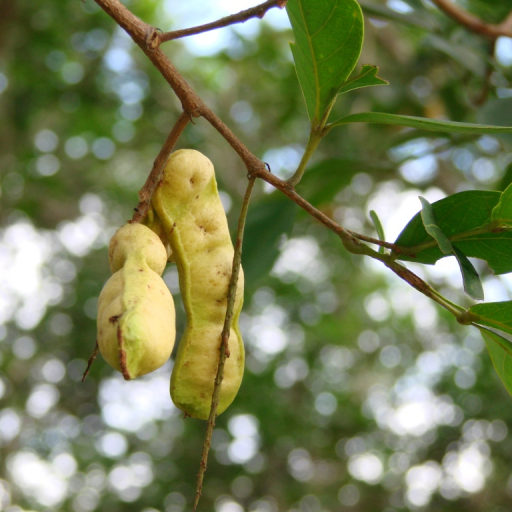
- 🫛 Green Pods: It produces long, slightly flattened green pods that hold seeds encased in a fluffy, white, cotton-candy-like pulp.
🏡 In Your Garden
- 🌳 The Soil Builder: This tree is a "nitrogen-fixer." It works with specialized bacteria in its roots to pull nitrogen from the air and pump it into the soil, making it a "living fertilizer" for your other garden plants.
- 🚀 Fast-Paced Growth: It is known for its rapid growth habit. Because it reaches for the sky so quickly, it requires regular pruning if kept in a smaller backyard setting to prevent it from shading out sun-loving flowers.
⚠️ Safety & Toxicity
- ✅ Safe & Edible: The white, fluffy pulp inside the seed pods is edible and sweet, often enjoyed as a light snack by locals in the tropics.
- 🐾 Pet Note: While the fruit pulp is non-toxic, the large, hard seeds inside should not be ingested by pets, as they can pose a choking hazard or cause mild digestive upset if swallowed whole.
✨ Fun Fact
In some Caribbean cultures, the tree is nicknamed "Sackysac" because the sweet, white pulp inside the pods looks like tiny sacks of sugar waiting to be discovered!

Detailed Care Instructions
To grow Inga Laurina plant, also known as ice cream bean or pacay, follow these steps:
- Choose a healthy Inga Laurina seed or seedling: Look for a reliable source or nursery to obtain a high-quality seed or seedling.
- Climate and location: Inga Laurina plants thrive in warm tropical regions. Ensure your growing area receives full sun or partial shade with a minimum temperature of 60°F (15°C).
- Soil preparation: The plant prefers well-drained, fertile soil. Amend the soil with organic matter such as compost or well-rotted manure to improve its texture and nutrient content.
- Planting: Dig a hole slightly larger than the size of the root ball of the seedling. Place the plant in the hole and backfill with soil, gently firming it around the base. If starting from seeds, sow them directly in the prepared soil, following the package instructions.
- Watering: Inga Laurina plants require regular watering, especially during dry spells. Water deeply but infrequently to promote deep root growth. Keep the soil moist but not waterlogged.
- Pruning: Prune the plant regularly to remove dead or damaged branches and to maintain its shape. This helps stimulate new growth and enhances air circulation.
- Fertilization: Feed the plant with a balanced fertilizer during the growing season to ensure proper nutrition. Follow the instructions provided on the fertilizer packaging for the correct application rate.
- Mulching: Apply a layer of organic mulch around the base of the plant to conserve soil moisture, suppress weeds, and keep the roots cool.
- Pests and diseases: Monitor the plant regularly for any signs of pests or diseases. Common issues may include aphids, spider mites, or fungal infections. Take appropriate measures such as using organic pest control methods or consulting with a local garden center for treatment options.
- Harvesting: Inga Laurina plants typically start bearing fruit after 2-3 years. Harvest the elongated seed pods when they turn brown and begin to split open. Open the pods carefully to reveal the white, sweet, and juicy flesh inside. Enjoy the delicious taste reminiscent of vanilla ice cream!
Remember to research specific guidelines based on your location and seek local advice if available, as environmental conditions may vary.

Place in a bright room that is sun drenched almost all day. Or directly in a south-facing window.

Inga Laurina is a plant that requires consistently moist soil, so it is important to keep the soil lightly watered to prevent it from drying out completely. To water this plant, you should pour water around the base of the plant until the soil is saturated.
It is best to water this plant deeply but infrequently, rather than giving it frequent shallow waterings. This will help to encourage deep root growth and improve the plant's overall health. It is also important to avoid getting water on the leaves of the plant if possible, as this can lead to fungal infections.
You should monitor the soil moisture level regularly, and adjust your watering schedule as needed based on the weather conditions and the plant's growth patterns. If the soil feels dry to the touch, it is time to water.
Finally, it is important to ensure that the plant is positioned in a well-draining soil mix, as excessive moisture can lead to root rot and other issues. If you are unsure about the best watering schedule for your Inga Laurina plant, consult with a local gardening expert for advice.
To fertilize Inga Laurina plant, use a balanced fertilizer with equal amounts of nitrogen, phosphorus, and potassium. Apply every 4-6 weeks during the growing season. Water the plant before and after applying the fertilizer to prevent fertilizer burn. Avoid over-fertilization as it can lead to root damage. Adjust the amount of fertilizer based on the plant's growth and health.
When choosing soil for this particular plant species, it is important to select a soil that is well-draining and has good aeration. It is best to use a soil that is rich in organic matter, such as compost or peat moss, as Inga Laurina plants require a nutrient-rich environment for optimal growth.
It is recommended to choose a soil with a pH level between 5.5 and 6.5, as this is the range that is ideal for the plant to thrive. This can be tested using a soil testing kit, which is available at most gardening stores.
When planting Inga Laurina, it is important to ensure that the soil is moist, but not waterlogged. Overwatering can cause the roots to rot, which can be detrimental to the plant's health. It is also a good idea to add a layer of mulch to the top of the soil to help retain moisture and provide additional nutrients over time.
Overall, selecting the right soil for Inga Laurina is crucial for promoting healthy growth and ensuring that the plant stays healthy and vibrant over time.
To propagate this particular plant, you will need a healthy and mature specimen from which to collect seeds. Ideally, the seeds should be harvested during the dry season and stored in a dry, cool place until planting.
Before planting, it is recommended to scarify the seeds by lightly rubbing them with sandpaper or nicking the seed coat with a knife. This will help hasten germination.
Next, fill a well-draining seedling tray with a mix of equal parts sand and compost. Place one seed in each cell and cover with a thin layer of soil. Water the soil lightly and cover the tray with plastic wrap to create a humid environment.
Place the tray in a warm and bright spot, out of direct sunlight. Keep the soil evenly moist but not wet. Germination should occur within 1-3 weeks.
Once the seedlings have grown to a height of 2-3 inches, they can be transplanted to larger pots or directly into the ground. Inga Laurina plants prefer a shady and moist environment, so choose a location with dappled sunlight and well-draining soil.
Regular watering and fertilization will encourage healthy growth and a bountiful harvest. Mature Inga Laurina plants can produce edible fruits that are highly prized for their sweet and nutritious pulp.








