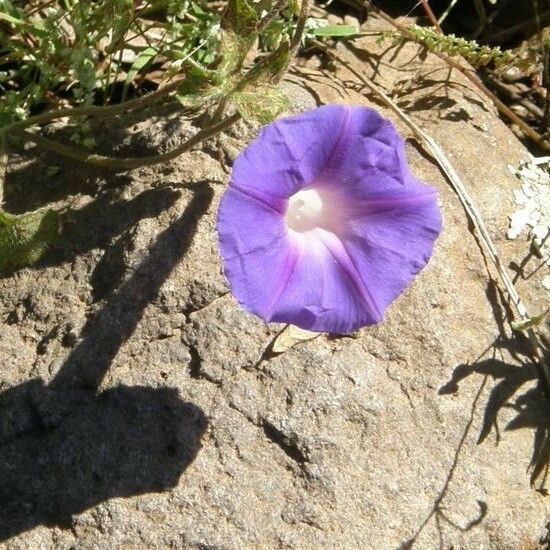
Plant Overview
Often called the Silky Morning Glory, Ipomoea pubescens is a charming, climbing perennial that feels as soft as it looks. Native to the rugged landscapes of Mexico and South America, it’s a favorite for nature lovers looking to add vertical texture and a touch of wild, romantic beauty to fences or trellises. Unlike its slick-leaved cousins, this variety is blanketed in a fine, silvery down that catches the morning light.
🔍 How to Identify
- 🌿 Velvet Leaves: The broad, heart-shaped (cordate) leaves are distinctively covered in fine, silky white hairs, giving them a soft, muted green shimmer.
- 🌸 Lavender Funnels: The flowers are classic morning glory trumpets, typically ranging from soft lilac to deep violet, often featuring a star-shaped pattern and a creamy-white throat.
- 🌀 Twining Stems: It lacks tendrils but climbs by spiraling its entire hairy stem around poles, strings, or neighboring plants.
🏡 In Your Garden
- 🪜 The "No-Move" Rule: This plant develops a sensitive taproot and dislikes being moved once established. It is best to plant it exactly where you want it to stay for the long term to avoid "transplant shock."
- 🦋 Pollinator Expressway: The deep, nectar-rich throats of the flowers are specifically designed to accommodate long-tongued bees and butterflies, making it an excellent choice for a living pollinator garden.
- ☀️ Sun Protection: Those tiny hairs (trichomes) aren't just for show; they help the plant reflect excess sunlight and retain moisture, allowing it to handle windier or drier spots better than smooth-leaved vines.
⚠️ Safety & Toxicity
- 🚫 Toxic Seeds: Like many members of the Convolvulaceae family, the seeds of this plant contain ergot alkaloids.
- 🐾 Pet & Child Safety: Ingestion of the seeds or foliage can cause vomiting, diarrhea, or even hallucinations in pets and humans. It is best grown in areas where curious nibblers cannot reach the seed pods.
✨ Fun Fact
The species name pubescens comes from the Latin word for "reaching maturity" or "becoming hairy." In the plant world, this "peach fuzz" acts like a natural sunscreen and windbreaker, helping the vine survive in high-altitude environments where the sun is more intense.

Detailed Care Instructions
To grow Ipomoea Pubescens, also known as the "Velvet Morning Glory," follow these steps:
- Select a suitable location: Choose a spot that receives full sun to partial shade. Ensure that the soil is well-draining.
- Prepare the soil: Loosen the soil and remove any debris or weeds. Adding compost or well-rotted manure can improve the soil fertility.
- Soak the seeds: Soak the seeds in warm water for 24 hours before planting. This will help to soften the seed coat and improve germination.
- Plant the seeds: Dig holes that are about 1-2 inches deep and space them about 6-12 inches apart. Place a seed in each hole and cover it with soil. Water gently to settle the soil.
- Watering: Keep the soil moist but not waterlogged. Water the plant regularly, especially during dry periods. Avoid overwatering, as it can lead to root rot.
- Provide support: Ipomoea Pubescens is a vine and requires trellis or other supports to climb. Install a trellis or set up a structure for the plant to grow on.
- Fertilize: Feed the plant with a balanced fertilizer once a month during the growing season. Follow the instructions on the fertilizer packaging for the appropriate dosage.
- Prune: Regularly prune the plant to control its size and shape. Pinch out the tips to encourage bushier growth and remove any dead or diseased parts.
- Deal with pests and diseases: Monitor the plant for any signs of pests or diseases. Common issues include aphids, spider mites, and powdery mildew. Use appropriate organic or chemical treatments as needed.
- Harvesting: Ipomoea Pubescens produces attractive purple flowers. Enjoy the blossoms, and if desired, collect the seeds for future planting.
By following these steps, you can successfully grow Ipomoea Pubescens and enjoy its beautiful blooms.

Place in a bright room that is sun drenched almost all day. Or directly in a south-facing window.

To water this plant, it is important to ensure that the soil is evenly moist but not waterlogged. This can be achieved by watering deeply but infrequently, allowing the top few inches of soil to dry out between waterings. The frequency of watering may vary depending on factors such as temperature, humidity, and soil type. In general, it is best to water in the morning or evening when the sun is not as intense. If possible, avoid getting water on the leaves to prevent diseases such as fungal infections. Regularly checking the moisture level of the soil and adjusting watering accordingly can help ensure healthy growth and prevent over or under watering.
To fertilize this plant, use a balanced fertilizer with equal amounts of nitrogen, phosphorus, and potassium. Apply the fertilizer every two weeks during the growing season and reduce it to once a month during the dormant season. Water the plant thoroughly after fertilizing to ensure the nutrients are absorbed properly. Avoid over-fertilizing as it can damage the plant.
The ideal soil for the plant in question should have a slightly acidic pH level and be well-draining. It should also be rich in organic matter and have good nutrient content. A sandy loam with some added peat moss or compost would be appropriate. Heavy clay soils should be avoided as they can lead to poor drainage and root rot. The plant prefers moist soil, but not overly wet, so it's important to monitor watering carefully. Additionally, adding a layer of mulch around the base of the plant can help retain moisture and keep the soil temperature consistent.
Ipomoea pubescens can be propagated through stem cuttings. Take a healthy stem that is around 4-6 inches long with several leaves, and snip it just below a node. Remove the lower leaves, leaving only a few at the top, and dip the cut end in rooting hormone. Then, plant the cutting in moist soil, covering the buried node. Place the pot in bright but indirect light and maintain high humidity by covering it with a plastic bag. Water only when the soil feels dry to the touch. After around two to three weeks, roots should begin to form and the plant can be gradually acclimated to lower humidity and sunlight levels.








