Plant Overview
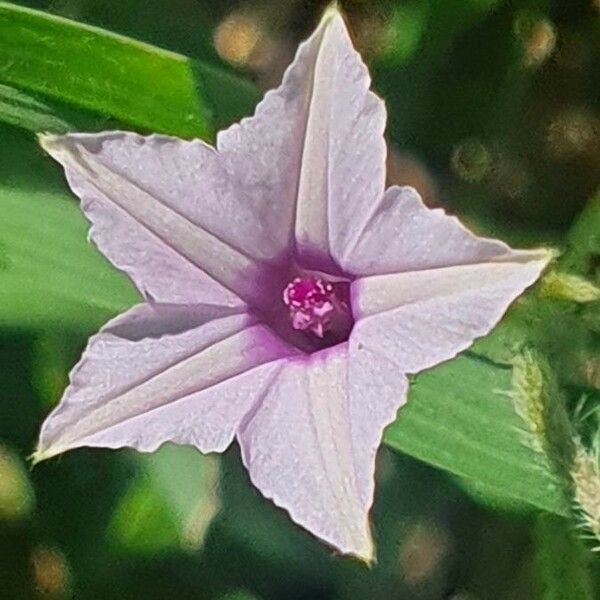
Often called the Chinese Morning Glory or the Twin-flowered Morning Glory, this delicate vine is a subtle gem of the Convolvulaceae family. While many of its cousins boast massive, neon-purple blooms, Ipomoea sinensis leans into a more understated elegance with its petite, pale blossoms and hairy, twining stems. It is a traveler at heart, native to vast stretches of Africa and Asia, where it is often seen scrambling over fences and through tall grasses in a race toward the sun.
🔍 How to Identify
- 🌿 Heart-Shaped Foliage: The leaves are classically cordate (heart-shaped) with pointed tips and are often covered in fine, soft hairs that catch the morning dew.
- 🌸 Twin Blooms: Unlike many morning glories that grow in clusters or solitary stems, this species is famous for its flowers frequently appearing in pairs on a single stalk.
- 📏 Twining Habit: The stems are slender and "pubescent" (hairy), showing a remarkable ability to coil tightly around any vertical support, from thin twigs to garden wire.
🏡 In Your Garden
- 🧗 Support is Key: Because of its vigorous climbing nature, this plant thrives best when given a trellis or a "living fence" to navigate; otherwise, it will sprawl across the ground and may accidentally smother smaller, low-lying plants.
- ☀️ The Morning Wake-up: True to its name, the flowers open with the first light of day and often fade by mid-afternoon. To get the best show, place it in a spot that receives unobstructed eastern sunlight.
- 🌱 Self-Sowing Tendency: Be aware that this plant is a prolific seed-producer. If you don't want a "Chinese Morning Glory forest" next year, it’s best to pinch off the fading flowers before they turn into seed pods.
⚠️ Safety & Toxicity
- 🚫 Toxic if Ingested: Like many members of the Ipomoea genus, the seeds and foliage contain alkaloids that can be harmful if eaten.
- 🐾 Pet Warning: Keep this vine away from curious cats and dogs; ingestion can cause digestive upset, vomiting, or lethargy.
- 👶 Child Safety: Ensure the small, dark seeds are kept out of reach of children, as they can be particularly concentrated in toxins.
✨ Fun Fact
The genus name Ipomoea is derived from the Greek words ips (worm) and homoios (resembling). This is a poetic nod to the "worm-like" way the vine's stems twist and turn as they crawl upward toward the light!

Detailed Care Instructions
To grow Ipomoea sinensis, also known as morning glory, you can follow these steps:
- Choose a Location: Morning glory plants thrive in a spot with full sun exposure. Select an area with well-draining soil.
- Prepare the Soil: Before planting, prepare the soil by loosening it with a garden fork or tiller. Mix in compost or organic matter to improve soil fertility and drainage.
- Start Seeds Indoors (optional): If you want to get a head start, you can start the seeds indoors about 4-6 weeks before the last frost date. Sow the seeds in seed-starting trays or pots filled with a seed-starting mix. Keep the soil consistently moist and place the containers in a warm, sunny location.
- Direct Sow: Alternatively, you can sow the seeds directly into the ground after the last frost. Space the seeds about 6-12 inches apart and plant them 1/4 inch deep. Water the area well after planting to ensure good seed-to-soil contact.
- Water Regularly: Keep the soil consistently moist, especially during dry spells or hot summer months. However, avoid overwatering, as this can lead to root rot.
- Provide Support: Morning glory plants are climbers, so they will require some support. Install a trellis, fence, or provide a nearby structure for them to grow on.
- Fertilize: Once the plants have established, you can feed them with a balanced fertilizer every 4-6 weeks to promote healthy growth and flowering. Follow the instructions on the fertilizer packaging for application rates.
- Prune if needed: If the plants become unruly or overgrown, you can prune them back to control their size and shape. Pruning will also help encourage more branching and flowering.
- Watch for Pests and Diseases: Monitor the plants for common pests like aphids, spider mites, and slugs. Treat any infestations promptly using organic pest control methods if possible. Also, keep an eye out for diseases such as powdery mildew or fungal infections.
- Enjoy the Blooms: Ipomoea sinensis plants typically start blooming in mid-summer and continue into the fall. Morning glory flowers are quite stunning and come in various colors, so enjoy the beautiful displays in your garden.
To properly water this plant, it is important to first check the soil moisture level. Stick your finger about 1-2 inches into the soil and feel for moisture. If the soil feels dry, it is time to water.
When watering, pour water gently and slowly on the soil, avoiding getting water on the leaves or flowers. Make sure to water enough so that the soil is evenly moist, but not waterlogged.
It is also important to water this plant consistently, but not excessively. Depending on the humidity and temperature in the environment, it may need to be watered once or twice a week.
Overall, it is important to monitor the soil moisture level and watering schedule to ensure that this plant is getting the proper amount of water to stay healthy and thrive.
To fertilize this plant, mix a balanced, water-soluble fertilizer with water according to package instructions. Apply the fertilizer to the soil around the plant, avoiding the foliage. Do not over-fertilize as it may result in foliage growth at the expense of flowers. Water the plant thoroughly after fertilizing. Repeat this every 4-6 weeks during the growing season.
The soil to use with this plant should be well-drained and fertile, with a pH range of 6.1-7.5. It's important to avoid heavy clay soils or compacted soils, as this can lead to issues with root growth. A good mix for this plant would be 1 part perlite or sand, 1 part peat moss or compost, and 2 parts topsoil. This will provide good drainage and nutrient retention, and allow the plant to grow strong and healthy. Additionally, it's important to ensure that the soil is free of weed seeds and other contaminants, which can compete with the plant for resources and cause issues with growth and development.
To propagate this plant, start by selecting a healthy stem cutting. The cutting should have several leaves and be at least six inches long. Then, remove the leaves from the bottom half of the cutting and dip the cut end in a rooting hormone powder. Plant the cutting in a soilless planting mix and water it thoroughly. Keep the cutting in a warm and humid environment, such as a greenhouse or inside a plastic bag, to promote root growth. After a few weeks, check for root growth by gently tugging on the cutting. Once roots have formed, transplant the cutting into a pot with soil or into the ground in a well-draining area. Water the plant regularly and allow it to receive plenty of sunshine to encourage healthy growth.








