Plant Overview
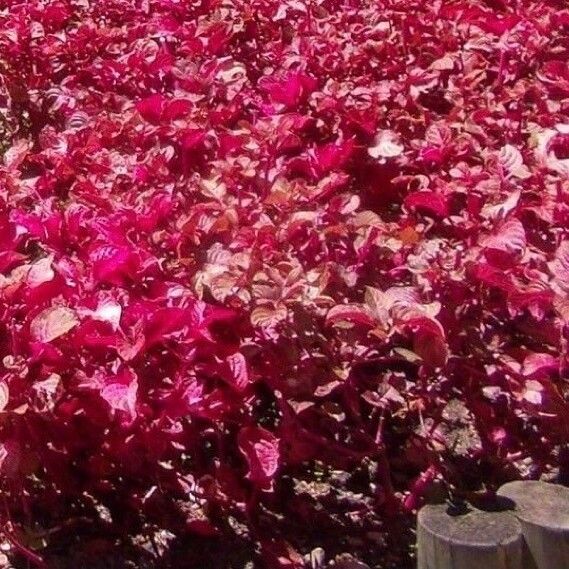
Known as the Bloodleaf or the Herbst's Bloodleaf's pointed cousin, Iresine lindenii is a tropical showstopper hailing from the lush landscapes of Ecuador. With its deep, wine-red foliage and glowing veins, it looks less like a plant and more like a piece of living stained glass. It is a favorite for those looking to add a dramatic "pop" of color to a landscape or a sunny windowsill.
🔍 How to Identify
- 🍷 Vibrant Foliage: The leaves are primarily a deep burgundy or maroon, often appearing almost purple in certain lighting.
- 🗡️ Leaf Shape: Unlike its rounder relative (Iresine herbstii), this variety features narrow, lance-shaped leaves that taper to a sharp, elegant point.
- 💓 Glowing Veins: The central midrib and lateral veins are a contrasting, bright fuchsia or neon pink, making the leaves look like they are pulsing with energy.
- 🌿 Upright Habit: It grows in a bushy, upright fashion, typically reaching about 12 to 18 inches when kept as a houseplant.
🏡 In Your Garden
- ☀️ The Light-Color Connection: While it can survive in partial shade, it needs bright, filtered light to maintain that intense red pigment. If the plant starts turning a muddy green, it’s a sign it’s "starving" for more sunlight.
- 💧 The "Dramatist": This plant is known for being a bit of a drama queen when thirsty. Its thin, soft leaves will wilt dramatically the moment the soil dries out, but they usually bounce back quickly once given a good soak.
- ✂️ Pinching for Fullness: To prevent it from becoming "leggy" or tall and sparse, you should regularly pinch off the tips of the stems. This encourages the plant to branch out and become a dense, colorful bush.
⚠️ Safety & Toxicity
- ✅ Safe for All: Iresine lindenii is generally considered non-toxic to dogs, cats, and humans.
- 🌱 Gentle Nature: Unlike many other colorful tropicals (like Crotons), it doesn't produce an irritating milky sap, making it a safe choice for households with curious toddlers or nibbling pets.
✨ Fun Fact
The genus name Iresine is derived from the Greek word eiresione, which refers to a branch or wreath wound with wool. This is a nod to the plant's tiny, fuzzy white flowers that look a bit like tufts of wool—though most gardeners snip them off to keep the focus on the stunning red leaves!

Detailed Care Instructions
To grow Iresine lindenii (also known as the Bloodleaf plant) successfully, follow these steps:
- Choose the right location: Place the plant in bright, indirect sunlight. It does best in temperatures between 65°F to 75°F (18°C to 24°C).
- Soil requirements: Use well-draining soil that is rich in organic matter. A mix of potting soil and perlite or sand works well.
- Watering: Keep the soil consistently moist, but not waterlogged. Water when the top inch of soil feels dry to the touch. Avoid both overwatering and allowing the plant to dry out completely.
- Humidity: Bloodleaf plants prefer humid environments. Mist the leaves with water occasionally to increase humidity, especially during drier months or in indoor settings.
- Fertilization: Use a balanced, water-soluble fertilizer every two weeks during the growing season (spring and summer). Follow the instructions on the fertilizer packaging for proper dilution and usage.
- Pruning: Trim leggy or overgrown stems to promote bushier growth. Pinch off the top inch of stems to encourage branching.
- Repotting: If the plant outgrows its current container, repot it in a slightly larger pot with fresh soil. Do this in spring or early summer.
- Propagation: Bloodleaf plants are easily propagated from stem cuttings. Take a 4-6 inch cutting from a healthy stem, remove the lower leaves, and place the cutting in a glass of water. Once roots form, transfer it to a pot with potting soil.
- Pests and diseases: Watch out for common houseplant pests like aphids, mealybugs, and spider mites. Treat infestations with organic insecticidal soap or neem oil.
- Overwintering: Bloodleaf plants are considered tropical perennials. In cooler climates, bring them indoors during winter. Place them in a warm room with adequate sunlight and continue regular care.
By following these tips, you can successfully grow Iresine lindenii and enjoy its vibrant foliage.
To properly water this plant, you should allow the top inch of soil to dry out before watering again. When watering, pour water slowly around the base of the plant, being careful not to soak the leaves or stem. Allow excess water to drain out of the pot saucer and do not let the plant sit in standing water. Depending on the temperature and humidity of your environment, you may need to adjust the frequency of your watering schedule.
To fertilize this plant, use a balanced liquid fertilizer with equal amounts of nitrogen, phosphorus, and potassium. Dilute the fertilizer to half-strength and apply it every two weeks during the growing season. During the dormant season, only fertilize once a month. Be careful not to over-fertilize as it can lead to burned foliage.
The ideal soil for Iresine Lindenii should have good drainage and aeration. A mix of peat moss, perlite, and coarse sand is a good choice. The pH level of the soil should be slightly acidic, with a range of 5.5 to 6.5. The soil should also have plenty of organic matter to provide nutrients for the plant. It is recommended to use a high-quality potting mix that is specifically designed for indoor plants. Additionally, the soil should be moist but not waterlogged, and the plant should be kept in a location with bright, indirect light.
To propagate this plant, you will need to take a stem cutting. Choose a healthy, mature stem that is at least 4 inches long. Use a sharp, sterile knife or scissors to make a clean cut just below a leaf node. Remove any lower leaves, leaving only a few leaves at the top. Dip the cut end into rooting hormone to promote root development, then plant the stem cutting in a container filled with a well-draining potting mix. Water the cutting and cover it with a plastic bag or dome to maintain humidity. Place the container in a warm, bright location but out of direct sunlight. Mist the cutting daily or as needed to keep the soil moist and to prevent the leaves from drying out. After a few weeks, new growth should appear, indicating that roots have developed. Once the roots are established, the young plant can be transplanted into a larger container or planted outdoors in a suitable location.







