Plant Overview
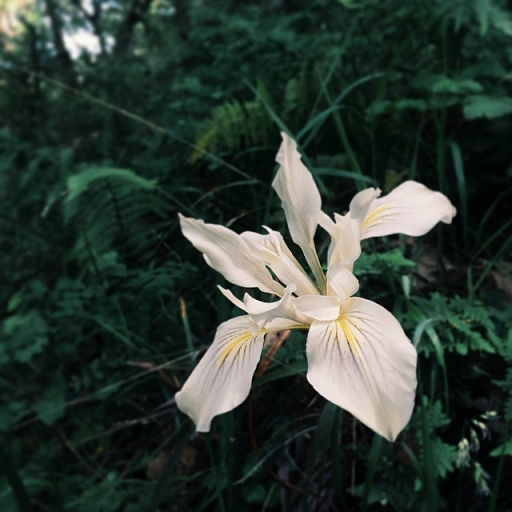
Commonly known as the Slender-tubed Iris or Yellow-leaf Iris, this delicate wildflower is a hidden gem of the Pacific Northwest forests. Unlike the loud, flamboyant garden irises most are used to, Iris chrysophylla offers an understated elegance with its pale, ghostly blossoms and intricate "painted" veins. It is a resilient survivor, often found gracing the dappled sunlight of woodland edges and rocky hillsides.
🔍 How to Identify
- 🎨 The Bloom: The flowers are typically a soft cream or pale buttery yellow. Look closely for the striking dark purple or brownish-maroon veins that act as "nectar guides" for visiting bees.
- 📏 The Tube: True to its nickname, it features a notably long and very slender perianth tube (the part between the ovary and the petals) which is much longer than those of its close relatives.
- 🌿 Foliage: The leaves are narrow, sword-shaped, and usually a light, grayish-green. They tend to form low, graceful clumps rather than tall, aggressive stands.
🏡 In Your Garden
- 🌲 Woodland Roots: This iris thrives in "dryish" open woods. In a garden setting, it prefers well-drained soil that mimics its native hillsides; it is highly susceptible to rot if forced to sit in "wet feet" during its dormant season.
- 🧘 Patience is Key: It possesses a delicate rhizome system that can be quite fussy about being moved. Once planted in a spot with filtered sunlight or dappled shade, it is best to leave it undisturbed so it can slowly establish a colony.
⚠️ Safety & Toxicity
- 🚫 Toxic Status: All parts of the Iris chrysophylla, particularly the underground rhizomes (roots), contain irisin and are toxic if ingested.
- 🐾 Pets & Kids: Ingestion can cause stomach upset, vomiting, or lethargy in cats, dogs, and humans. Additionally, the sap may cause mild skin irritation or "iris dermatitis" in sensitive individuals, so wearing gloves during division is recommended.
✨ Fun Fact
The species name chrysophylla translates from Greek to mean "golden leaf." While the leaves themselves are green, the name likely refers to the golden-yellow glow often found at the center of the flower’s throat!

Detailed Care Instructions
To grow the Iris chrysophylla plant, also known as the golden iris or yellow flag iris, you can follow these steps:
- Choose a suitable location: Iris chrysophylla prefers full sun to partial shade and moist soil conditions. It can tolerate both wet and dry soil, making it adaptable to various growing conditions.
- Prepare the soil: Ensure that the soil is well-draining, as Iris chrysophylla does not prefer waterlogged soil. You can amend heavy clay or sandy soil with organic matter, such as compost, to improve drainage and enrich the soil.
- Planting: Dig a hole that is wide and deep enough to accommodate the iris rhizome. Gently place the rhizome horizontally in the hole with the roots facing downwards. Cover the rhizome with soil, leaving the top part exposed.
- Watering: Water thoroughly after planting to settle the soil and provide moisture to the newly planted iris. Keep the soil consistently moist, especially during the first growing season, to help the plant establish its roots.
- Mulching: Apply a layer of organic mulch, such as straw or wood chips, around the plant to conserve moisture, suppress weed growth, and insulate the soil.
- Fertilizing: Irises generally do not require heavy fertilization. However, you can apply a balanced slow-release fertilizer in early spring or use a low-nitrogen fertilizer to promote flowering. Follow the manufacturer's instructions for proper application.
- Maintenance: Iris chrysophylla is a low-maintenance plant. Remove any weeds or competing vegetation around the plant to reduce competition for nutrients and water. Dividing the rhizomes every few years will also help maintain its health and vigor.
- Winter care: In colder regions, apply a layer of mulch around the base of the plant before winter to protect the rhizomes from freezing temperatures.
- Propagation: Iris chrysophylla can be propagated by dividing the rhizomes. This is best done in late summer or early autumn. Dig up the rhizomes, separate them into individual sections, and replant them.
With proper care, your Iris chrysophylla plant should thrive and produce beautiful yellow flowers.

Place in a bright room that is sun drenched almost all day. Or directly in a south-facing window.

To properly water this plant, you will want to ensure that the soil is moist but not waterlogged. Avoid letting the soil dry out completely, as this can cause stress and damage to the plant. Allow the top layer of soil to dry out slightly between waterings, and then water thoroughly, allowing excess water to drain away. It is also important to avoid getting water on the foliage, as this can increase the risk of disease. Instead, aim to water the soil around the base of the plant. Finally, be mindful of the plant's location and environmental conditions, as these can affect how often and how much you need to water.
To fertilize this plant, apply a balanced fertilizer once per year in the early spring before new growth emerges. Use a slow-release fertilizer and follow the label instructions for the correct amount. Avoid applying fertilizer too close to the base of the plant to prevent root burn. Water the plant immediately after applying the fertilizer to help it absorb the nutrients.
The best soil for Iris Chrysophylla plant is a well-draining soil that is rich in organic matter. It should have a pH level of around 6.5 to 7.5. The soil should be loose and airy, allowing for good water and nutrient retention while also allowing for good root growth. The soil should be fairly moist, but never waterlogged, as excess moisture can lead to root rot. Adding compost or aged manure to the soil can help improve its fertility and structure. It is also important to avoid using soil that is too heavy or dense, as this can inhibit root growth and make it difficult for the plant to thrive.
To propagate this plant, you will need to first gather some of its rhizomes. Cut a piece of the rhizome with a sharp, clean knife, making sure that there are several healthy roots attached to it. Allow the cut to dry for a day or two.
Prepare a pot with well-draining soil, and moisten it slightly. Make a small hole in the soil and place the rhizome in it, making sure that it is covered with soil, but not buried too deeply. Water the soil well.
Place the pot in a warm, bright location, but avoid direct sunlight. Keep the soil moist but not waterlogged, and expect to see new growth within a few weeks.
As the plant grows, it will produce new rhizomes. When these are large enough, they can be divided from the parent plant and planted in new pots or locations. This will create more plants and help to ensure the plant's survival.








