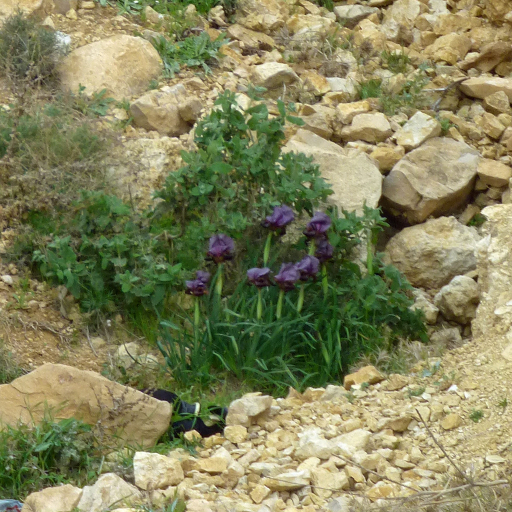
Plant Overview
Known as the "Queen of the Desert," the Black Iris (Iris nigricans) is the national flower of Jordan and a symbol of resilience. This rare beauty is famous for its hauntingly dark, velvety blooms that appear almost pitch-black under the desert sun. While it looks like something out of a gothic fairytale, it is a hardy survivor perfectly adapted to the rugged, arid landscapes of the Middle East.
🔍 How to Identify
- 🌑 The "Black" Petals: The flowers are actually a very deep shade of maroon or royal purple, so concentrated that they look black. They have a distinct velvety texture that absorbs light.
- 🧔 The Fuzzy Beard: Look for a "beard"—a strip of soft, fuzzy hairs—running down the center of the lower petals (the falls), often contrasting with the dark color.
- ⚔️ Sword-Like Leaves: The foliage is grayish-green and shaped like stiff swords, growing in a fan-like arrangement from the base of the plant.
🏡 In Your Garden
- 🏜️ Drainage is Key: This iris is an arid specialist. It absolutely hates "wet feet" and will suffer from root rot if the soil isn't gravelly and fast-draining. It’s a perfect candidate for rock gardens.
- ☀️ Sun Seeker: To produce those dramatic dark pigments, the plant needs intense, direct sunlight. It uses its dark color to absorb warmth during the cool desert mornings of its native habitat.
⚠️ Safety & Toxicity
- 🐾 Toxic to Pets: Like most members of the Iris family, the Black Iris is toxic to dogs, cats, and horses.
- 🤢 Ingestion Risks: The rhizomes (underground stems) contain the highest concentration of toxins. If eaten, it can cause salivation, vomiting, and lethargy. The sap may also cause mild skin irritation for some gardeners.
✨ Fun Fact
True black pigment is incredibly rare in the plant world. The Black Iris achieves its "midnight" look through an ultra-high concentration of purple pigments called anthocyanins, which protect the delicate inner parts of the flower from intense UV radiation.

Detailed Care Instructions
Growing Iris Nigricans plants requires proper soil conditions, sunlight, watering, and care. Here's a step-by-step guide on how to grow Iris Nigricans:
- Select a suitable location: Iris Nigricans thrives in well-draining soil and prefers full sun to partial shade. Choose a spot that receives at least 6 hours of sunlight per day.
- Prepare the soil: The soil should be well-draining and rich in organic matter. Amend the soil with compost or well-rotted manure to improve its fertility and drainage.
- Planting: Dig a hole that is large enough to accommodate the plant's rhizome. The top of the rhizome should be just slightly exposed above the soil surface. Space the plants at least 12-18 inches apart to allow room for their growth.
- Watering: After planting, water the plants thoroughly. Keep the soil consistently moist but not waterlogged. During hot and dry periods, increase the frequency of watering.
- Fertilizing: Apply a balanced, slow-release fertilizer in early spring or use a liquid fertilizer diluted according to package instructions. Repeat the application once or twice during the growing season.
- Mulching: Apply a layer of organic mulch around the plants to conserve moisture, suppress weed growth, and regulate soil temperature.
- Pruning: Remove any dead or damaged foliage throughout the growing season. Cut back the foliage to the ground after it has turned brown in late fall or early winter.
- Division: Every 3-4 years, Iris Nigricans can benefit from division to promote healthy growth. Lift the clumps, carefully separate the rhizomes, and replant them in separate holes.
- Pest and disease control: Monitor the plants for pests, such as iris borers or aphids. Treat any infestations promptly using appropriate insecticides. Ensure good air circulation around the plants to prevent diseases like fungal leaf spot.
- Winter care: Iris Nigricans is generally hardy but may require extra protection in colder regions. Apply a layer of mulch over the plants to insulate the rhizomes from extreme temperatures.
Remember to observe your plants regularly, provide adequate care, and make adjustments based on their specific needs.
Iris Nigricans is a plant that can be watered once a week, but the frequency of watering may vary depending on the soil and weather conditions. Before watering the plant, it is important to check the soil moisture level by inserting a finger about an inch into the soil. If the soil feels dry, water the plant until the soil is saturated, but do not water if the soil is still moist. The plant should be watered at the base and not on leaves or flowers to prevent fungal disease. Overwatering can lead to root rot, so it is important to ensure proper drainage and avoid standing water in the pot or soil. During the winter months, the plant should be kept slightly drier as it goes into a period of dormancy. Additionally, it is recommended to use lukewarm water as very cold or very hot water can shock the plant.
To fertilize this plant, use a balanced fertilizer with equal amounts of nitrogen, phosphorus, and potassium. Apply the fertilizer in early spring before new growth appears and again in midsummer. Follow the instructions on the fertilizer package for application rates. Be careful not to over-fertilize, as this can lead to weak growth and fewer flowers. Water the plant before and after applying fertilizer to prevent root burn.
Iris Nigricans plant prefers a well-draining and fertile soil that is rich in organic matter. A soil pH of 6.0 to 7.5 is ideal for this plant. Avoid heavy or compacted soils that do not drain well, as this can cause the roots to become waterlogged and lead to root rot. A mix of sandy loam soil and compost is recommended for optimal growth. Top-dressing with a layer of mulch will help to maintain soil moisture, regulate temperature, and suppress weed growth.
To propagate this plant, you will need to take a division from the parent plant. Dig up the parent plant in the fall after it has finished blooming and cut the rhizome into smaller pieces. Make sure each piece has a healthy portion of roots and at least one fan of leaves. Plant the divisions in well-draining soil with good organic matter and water regularly. The new plants will take a year or two to become established and start blooming.








