Plant Overview
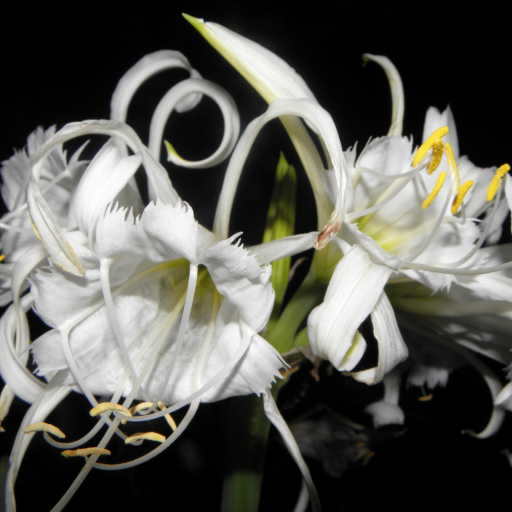
Often called the Peruvian Daffodil or the Sacred Lily of the Incas, Ismene narcisiflora is a stunning summer bulb that looks like a cross between a tropical orchid and a classic daffodil. Native to the high Andes of Peru, these elegant white blooms are famous for their intricate "spider-like" petals and a citrus-honey fragrance that intensifies as the sun sets. They are a favorite for gardeners looking to add a touch of exotic drama to their borders or patio containers.
🔍 How to Identify
- 🌼 The Corona: The center of the flower features a large, trumpet-shaped cup (the staminal cup) with delicate green stripes running down the interior throat.
- 🕷️ Spider Petals: Extending from the central cup are six long, narrow, and slightly recurved white segments that give the flower its distinctive "spider lily" silhouette.
- 🍃 Strap-like Foliage: The plant produces clumps of glossy, deep green, sword-shaped leaves that emerge directly from the bulb, providing a lush backdrop for the snowy blooms.
🏡 In Your Garden
- ☀️ Sun & Drainage: These lilies crave bright sunlight and "warm feet." Because they are sensitive to rot, they require very well-draining soil—if the soil stays soggy, the bulbs may fail before they ever sprout.
- 🌬️ Wind Protection: Because the flower stalks are hollow and top-heavy with large blooms, it is best to plant them in a sheltered spot where summer gusts won't snap the stems.
- ❄️ Winter Care: Since they are Andean natives, they are not frost-hardy. In cooler climates, you must treat them like Dahlias: lift the bulbs in the fall and store them in a dry, frost-free place until the ground warms up again.
⚠️ Safety & Toxicity
- 🚫 Toxic Status: Poisonous if ingested.
- 🐾 Pets & Kids: Like many members of the Amaryllis family, Ismene contains lycorine. Ingestion of the bulb or foliage can cause vomiting, diarrhea, and abdominal pain in cats, dogs, and humans. It is best kept out of reach of curious chewers.
✨ Fun Fact
In the language of flowers, the Peruvian Daffodil is often associated with "majesty" and "purity." It was so revered in its native Peru that it is frequently depicted in ancient Incan pottery and textiles, symbolizing the transition of the seasons.

Detailed Care Instructions

Place in a bright room that is sun drenched almost all day. Or directly in a south-facing window.

The presence of a dry surface layer of soil does not indicate that the plant requires water. Instead, stick your finger 1-2" (3-5 cm) deep in the soil to feel dampness or moisture content. If the soil seems dry, it's time to water your greens. If the soil is still moist, however, it is better not to water your plant and instead wait a day or two. Overwatering or waterlogging raises the risk of root rot. So if the soil takes longer than a week to dry, check the light conditions because it's likely that the plant isn't getting enough light. It's fine if the upper layer of soil is dry between waterings, but the deeper soil layer should always have some moisture.








