Plant Overview
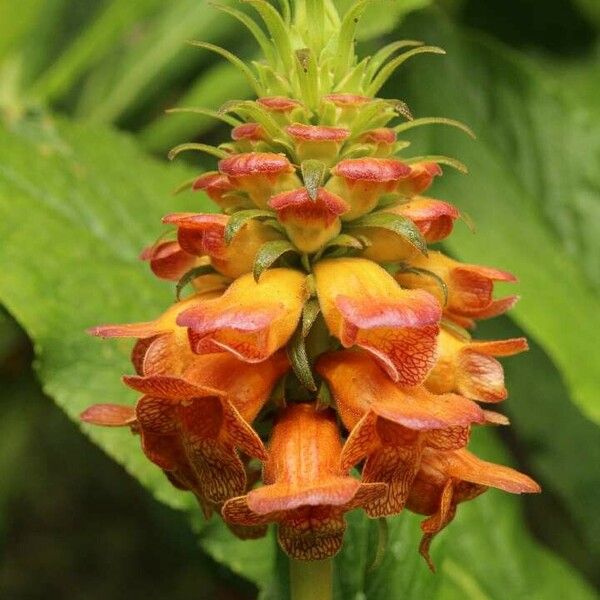
Often called the Madeira Foxglove or the "Sceptre of the Woods," this rare and regal shrub is a treasure from the misty cloud forests of the Madeira archipelago. Unlike its common garden cousins that grow as low-lying flowers, this species develops a dramatic, woody trunk, eventually standing tall like a botanical monument topped with fiery, apricot-colored torches.
🔍 How to Identify
- 🌿 The Foliage: Unlike herbaceous foxgloves, this is a woody shrub. It features long, lance-shaped leaves that are dark green, leathery, and arranged in dense rosettes at the ends of the branches.
- 🔥 The "Sceptre" Bloom: It produces upright, cylindrical spikes (racemes) packed with tubular flowers. The colors are a striking blend of burnt orange, tawny gold, and apricot, often with delicate netting or patterns inside the bell.
- 📏 Growth Habit: It has a distinct "prehistoric" look, growing slowly into a multi-branched shrub that can reach up to 4–6 feet in height, looking more like a small tree than a typical flower.
🏡 In Your Garden
- ☁️ The Cloud Forest Vibe: Because it originates from the Macaronesian islands, it thrives in "Goldilocks" conditions—cool, humid, and frost-free. It struggles in extreme heat or biting frost, preferring a spot that mimics a misty morning.
- 💧 Soil & Drainage: It has a sensitive root system that demands high organic matter but hates "wet feet." Use a rich, loamy compost but ensure the pot or garden bed drains rapidly to prevent root rot.
- ⛅ Light Preferences: In its natural habitat, it grows under the canopy of laurel trees. In your home or garden, it prefers bright, filtered light rather than the scorching midday sun, which can bleach its unique orange blooms.
⚠️ Safety & Toxicity
- 🚫 High Toxicity: Like all members of the Foxglove family (Digitalis/Isoplexis), this plant contains potent cardiac glycosides.
- 🐾 Risk Factor: It is highly toxic if ingested by humans, cats, dogs, or livestock. It can cause heart arrhythmias, nausea, and in severe cases, it is life-threatening.
- 🧤 Handling: While usually safe to touch, it is wise to wear gloves if pruning, as the sap may irritate sensitive skin, and you should always wash your hands after maintenance.
✨ Fun Fact
While most European foxgloves are pollinated by bumblebees, the Madeira Foxglove has evolved specifically to be pollinated by birds. Its flowers are sturdier and angled in a way that allows local birds, like the Madeiran Firecrest, to drink nectar while transferring pollen on their foreheads!

Detailed Care Instructions
To grow Isoplexis sceptrum (also known as the Canary Island foxglove), you can follow these steps:
- Choose a suitable location: Select a spot that receives partial shade to full sun, as the plant thrives in bright light conditions.
- Soil requirements: The plant prefers well-draining soil that is rich in organic matter. Amend the soil with compost or well-rotted manure before planting.
- Planting: Dig a hole slightly larger than the root ball of the plant. Place the plant in the hole at the same depth it was previously growing, and backfill the hole with soil. Gently tamp down the soil around the plant to remove any air pockets.
- Watering: Water the plant thoroughly after planting and then regularly until it establishes. Once established, water the plant when the top inch of soil feels dry. Avoid overwatering, as the plant is susceptible to root rot.
- Mulching: Apply a layer of organic mulch around the base of the plant to retain moisture and suppress weed growth. Ensure that the mulch does not touch the stem to prevent rot.
- Fertilizing: Feed the plant with a balanced, slow-release fertilizer in the spring and again in mid-summer to help promote healthy growth and flowering. Follow the instructions on the fertilizer package for the correct application rate.
- Pruning: Prune the plant in early spring before new growth emerges to remove any dead, damaged, or weak branches. Pruning will help maintain a tidy appearance and encourage better flowering.
- Protection: In colder regions, provide winter protection by mulching heavily around the plant and covering it with burlap or a frost blanket.
- Pests and diseases: Monitor the plant regularly for any signs of pests, such as aphids or spider mites, and treat them promptly with organic insecticidal soap or neem oil if necessary. Isoplexis sceptrum is generally disease-resistant.
With proper care and suitable growing conditions, your Isoplexis sceptrum plant should thrive and produce beautiful foxglove-like flowers.
The Isoplexis Sceptrum plant requires moderate watering, and it is important to allow the top inch of the soil to dry out before watering again. When watering, it is recommended to use room temperature or lukewarm water to avoid shocking the roots. Ensure that the water reaches the roots and doesn't just sit on the surface. Overwatering can lead to root rot and other problems, so it is essential to maintain proper drainage in the soil. In dry climates, misting the leaves once a day can help provide the necessary humidity.
To fertilize this plant, use a well-balanced fertilizer with a ratio of 10-10-10 or 20-20-20, applying it every two weeks during the growing season. Dilute your chosen fertilizer according to the package instructions and water your plant deeply before applying. Avoid fertilizing during the plant's dormant period.
It is recommended to use a well-draining soil mix that is rich in organic matter for optimal growth of this plant. The soil should have a slightly acidic to neutral pH level and should not be compacted. A mixture of peat moss, perlite, and coarse sand can create the perfect soil mix for this plant. Additionally, adding a slow-release fertilizer to the soil can provide the necessary nutrients for healthy growth.
Isoplexis sceptrum is a plant that can be propagated using several different methods. One way to propagate this plant is by taking stem cuttings. To do this, select healthy stems from the parent plant and ensure that they are at least 4-6 inches long. Use a sharp, sterilized blade to make a clean cut below the leaf node. Remove the lower leaves from the stem and dip the cut end into rooting hormone. Plant the stem cutting in a well-draining potting mix and keep it moist and in a warm, bright location.
Another method to propagate Isoplexis sceptrum is through division. This means separating a parent plant into several smaller sections. To do this, gently remove the plant from its pot and split the root ball into several parts. Ensure that each section has enough roots to support it and replant each section in a separate pot with fresh potting mix.
Seeds are also a potential method of propagation for Isoplexis sceptrum. Collect mature seed pods from the parent plant and allow them to dry out completely. Once dry, break open the pods and collect the small seeds. Plant them in a well-draining potting mix and keep them moist. It may take several weeks for the seeds to germinate, and seedlings will require care until they are large enough to be transplanted.
Regardless of the propagation method chosen, it is important to keep the new plants warm, humid, and well-watered until they have matured and established a healthy root system.








