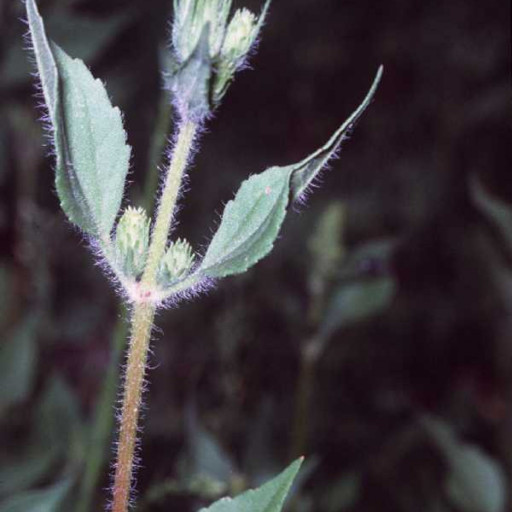
Plant Overview
Often called the "Lost Crop" of North America, Marsh Elder (Iva annua) is a humble-looking wildflower with a surprising history. Long before corn and beans became the staples of the continent, Indigenous peoples cultivated this plant for its nutrient-rich seeds. Today, it is more commonly seen as a rugged, wild resident of wetlands and roadside ditches, often mistaken for its cousin, the ragweed.
🔍 How to Identify
- 🌿 The Leaves: The leaves are egg-shaped, coarse, and covered in rough hairs that feel like sandpaper. They grow opposite each other along the lower stem but may switch to an alternate pattern near the top.
- 🎋 The Stem: It features a sturdy, upright green stem that can reach heights of 3 to 6 feet, often branching out near the top to form a bushy appearance.
- 🌾 The Flowers: Unlike showy garden flowers, these are small, greenish-white, and grow in elongated spikes at the tips of the branches. They lack petals and look more like tiny, nodding buds.
🏡 In Your Garden
- 💧 Thirsty Roots: This plant is a specialist of wet, disturbed soils. If you find it in your yard, it likely indicates a spot where water collects or the soil is heavy with clay.
- 🚜 A Rugged Survivor: It doesn't need pampering. In fact, it thrives in "waste places" where other plants struggle. While it isn't a traditional ornamental, it plays a vital role in stabilizing soil and providing cover for small wildlife in marshy areas.
⚠️ Safety & Toxicity
- 🤧 Allergy Alert: Like many members of the Aster family, Marsh Elder produces a significant amount of wind-borne pollen. It is a major contributor to hay fever in late summer and autumn.
- 🐾 Pet Safety: While not considered highly toxic, the rough hairs on the leaves can cause mild skin irritation or "contact dermatitis" in sensitive humans and pets. It is generally avoided by livestock due to its bitter taste.
✨ Fun Fact
Marsh Elder was one of the very first plants domesticated in North America! Archeologists have found ancient seeds that are nearly double the size of modern wild seeds, proving that prehistoric farmers carefully bred them for food over 4,000 years ago. After maize was introduced, the plant fell out of favor and "went wild" again, shrinking back to its original size.

Detailed Care Instructions
To grow an Iva Annua plant, also known as sweet sagewort, you can follow these steps:
- Choose a suitable planting location: Iva Annua prefers full sun but can tolerate partial shade. Select a spot with well-draining soil.
- Prepare the soil: Remove any weeds or grass from the planting area. Loosen the soil using a garden fork or tiller and mix in some compost or organic matter to improve the soil's fertility and drainage.
- Sow the seeds: Iva Annua plants can be grown from seeds. Sow the seeds directly in the prepared soil, around 1/4 inch deep. Space the seeds about 12 to 18 inches apart.
- Water regularly: Keep the soil moist but not saturated. Water the plants regularly, particularly during dry periods. Avoid overwatering as excessive moisture can lead to root rot.
- Provide support (optional): If your Iva Annua plants grow tall and need support, you can place stakes or cages around them to ensure they don't flop over.
- Control weeds: Regularly weed the area around your Iva Annua plants to prevent competition for nutrients and water.
- Harvesting: Iva Annua plants can be harvested when the flowers bloom. You can collect the leaves, flowers, or both, depending on your intended use. Harvesting should be done in the morning when the plant's essential oils are at their peak.
- Pruning (optional): You can trim back your Iva Annua plants to promote bushier growth and prolong the blooming period. Cut back the plants by about one-third after flowering.
- Pest and disease management: Iva Annua plants are generally pest and disease resistant. However, you should keep an eye out for common garden pests such as aphids, mites, or caterpillars, and treat them accordingly if necessary.
Remember to familiarize yourself with your specific location's climate conditions and adjust your care accordingly.

Place in a bright room that is sun drenched almost all day. Or directly in a south-facing window.

Watering Iva Annua plant depends on various factors like soil quality, weather conditions, humidity, and sunlight exposure.
To water Iva Annua plant, it is essential to keep the soil well-drained and moist but not too wet. This can be done by watering the plant once a week or twice a week, depending on the moisture level of the soil.
It is recommended to water the plant in the evening or early morning to prevent moisture loss due to evaporation, and avoid watering during the hot afternoon sun.
If the plant is kept in a pot, too much water can lead to root rot, so it is crucial to drain excess water and ensure that the soil is not soggy.
Overall, watering Iva Annua plant needs to be done carefully, watching for the signs of overwatering or underwatering, such as yellow or wilting leaves.
To fertilize this plant, use a balanced fertilizer with equal parts nitrogen, phosphorus, and potassium. Apply the fertilizer in the early spring before the plant begins to grow vigorously, and then again in mid-summer. Be careful not to over-fertilize, as this can lead to excessive growth and weaker plants. Water the plant thoroughly before and after fertilizing to ensure the nutrients are absorbed properly.
The soil that is most suitable for Iva Annua plant is a well-draining soil that is rich in organic matter. This type of soil allows for proper root development and prevents waterlogging, which can cause root rot. The soil should be slightly acidic to neutral with a pH range of 5.5-7.0. The plant prefers moist soil, but not overly wet conditions. A soil mix with a high percentage of sand, perlite, or vermiculite is also recommended to aid in drainage. Additionally, the plant benefits from regular applications of fertilizer to ensure proper growth and development.
To propagate Iva annua plant, start by collecting seeds from the mature plant as soon as they become available. Clean off any debris or chaff and store them in a cool, dry place until ready to plant.
To plant the seeds, prepare a well-draining potting mix and moisten it slightly. Sow the seeds on top of the soil and cover them with a thin layer of soil. Water the soil gently and cover the pot with a plastic bag to create a humid environment.
Place the pot in a warm and well-lit area, but not in direct sunlight. Keep the soil moist, but not saturated, until germination. This can take up to several weeks.
Once the seedlings have emerged, remove the plastic bag and continue to care for the plants by watering them regularly and providing them with adequate light and nutrition.
When the seedlings have grown to a suitable size, they can be transplanted into larger pots or directly into the garden. Keep in mind that Iva annua is a hardy and adaptable plant, but it prefers well-draining soil and full sun to partial shade.








