Plant Overview
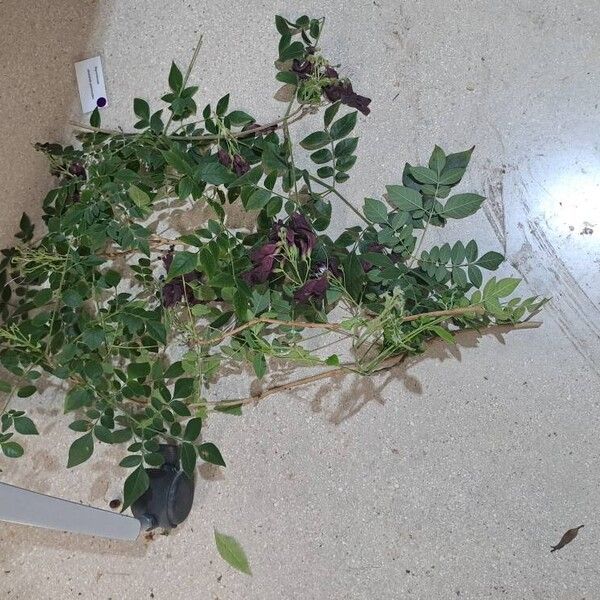
Often called the Maroon Jacaranda, this Brazilian beauty is the refined, compact cousin of the famous blue-flowering street trees that line city avenues. Unlike its massive relatives, Jacaranda jasminoides brings a sophisticated splash of deep purple and burgundy to smaller landscapes and private gardens. Its delicate, feathery foliage dances in the breeze, offering a touch of tropical elegance without the overwhelming size of a traditional Jacaranda.
🔍 How to Identify
- 🍇 The Blooms: Features trumpet-shaped flowers that lean more toward a deep violet or maroon-purple rather than the classic sky blue.
- 🌿 The Foliage: Delicate, bipinnate (fern-like) leaves that are slightly more pointed and "jasmine-like" than other species in the genus.
- 🌳 The Silhouette: Typically grows as a large shrub or a small, slender tree, rarely exceeding 15 feet in height, making it much more manageable for home gardeners.
🏡 In Your Garden
- ☀️ Sun Seeker: This plant craves bright, direct light to produce its signature dark blooms. If kept in too much shade, it will become "leggy" and focus on leaves rather than flowers.
- 💧 Drainage is Key: While it enjoys regular moisture, it hates "wet feet." It is highly susceptible to root rot if the soil doesn't drain quickly, so consider a sandy or loamy mix.
- ✂️ Pruning Potential: Because of its shrubby nature, it responds very well to pruning. You can train it into a single-trunk specimen or let it grow bushy to create a stunning flowering privacy screen.
⚠️ Safety & Toxicity
- 🟢 Non-Toxic: This species is generally considered safe and non-toxic for humans and common household pets like cats and dogs.
- 🧴 Sap Sensitivity: While not poisonous, some gardeners with sensitive skin may experience mild irritation from the sap when pruning. It is always a good idea to wear gloves when doing heavy garden work.
✨ Fun Fact
The specific epithet jasminoides literally translates to "resembling jasmine." While it doesn't share the heavy fragrance of true jasmine, its refined leaf structure was so similar that early botanists couldn't resist the comparison!

Detailed Care Instructions







