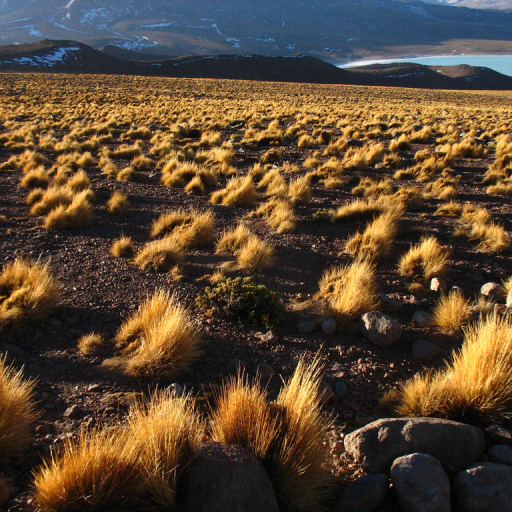
Plant Overview
Often referred to as Peruvian Feather Grass or simply Ichu, this elegant bunchgrass is the shimmering soul of the Andean highlands. For centuries, it has draped the slopes of the Altiplano in a golden-green blanket, swaying gracefully with every mountain breeze. Beyond its beauty, it is a plant of survival, deeply woven into the history of the Incan Empire.
🔍 How to Identify
- 🌾 Growth Habit: It forms dense, upright tufts (tussocks) that can reach up to 3 feet in height, creating a fountain-like silhouette.
- 🍃 The Foliage: The leaves are incredibly thin, stiff, and needle-like, usually appearing in a muted olive or silver-green hue.
- 🌬️ The Plumes: During its blooming season, it produces airy, feathery flower spikes that emerge silvery-white and age to a soft straw color, catching the light beautifully.
🏡 In Your Garden
- 🏔️ Highland Resilience: This grass is built for tough conditions; it thrives in poor, rocky soils where other plants might wither. It is exceptionally drought-tolerant once established, making it a "star player" for xeriscaping or rock gardens.
- 🌬️ Erosion Expert: Because of its deep, tenacious root system, it is often planted on slopes to prevent soil runoff. It prefers a "neglectful" approach—overwatering or rich fertilizers can actually cause the plant to become floppy and lose its tight, architectural shape.
⚠️ Safety & Toxicity
- ✅ Pet & Human Safe: Jarava Ichu is non-toxic to dogs, cats, and horses. In its native habitat, it is a primary food source for llamas and alpacas.
- ✂️ Sharp Edges: While not poisonous, the dried blades of the grass can be quite stiff and sharp. It’s a good idea to wear gloves when pruning or dividing the clumps to avoid minor skin irritations or "grass cuts."
✨ Fun Fact
The Incan people utilized the incredible strength of Ichu fibers to weave massive cables for suspension bridges. To this day, the famous Q’eswachaka bridge in Peru is hand-woven annually by local communities using this exact grass!

Detailed Care Instructions








