Plant Overview
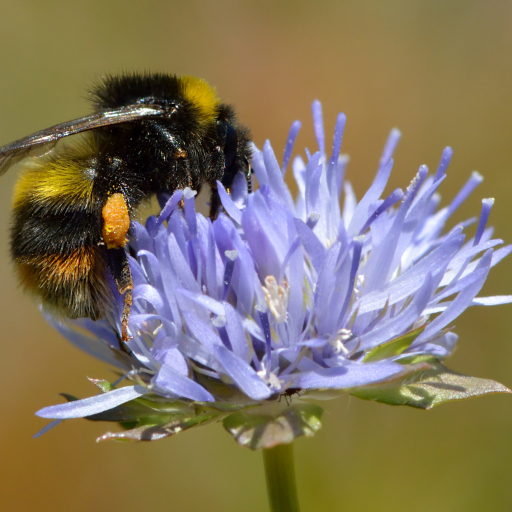
Often found dancing on coastal cliffs or rocky hillsides, Jasione montana is most affectionately known as Sheep’s Bit Scabious or Blue Bonnets. Despite its name and its round, pincushion-like appearance, it isn’t a true Scabious at all, but a resilient member of the Bellflower family. This hardy wildflower is a symbol of the rugged European coastlines, bringing a pop of vibrant sky-blue to even the most salt-sprayed and windswept crags.
🔍 How to Identify
- 🔵 The Bloom: Distinctive, fluffy, globe-shaped flower heads (about 1 inch wide) composed of dozens of tiny, star-shaped blue-violet florets.
- 🌿 The Foliage: A low-growing "rosette" of wavy-edged, narrow leaves that are often covered in fine, stiff hairs to help the plant retain moisture.
- 📏 The Stem: Thin, wiry, and mostly leafless stalks that hold the flower heads high above the ground to catch the attention of passing pollinators.
🏡 In Your Garden
- 🧂 Coastal Resilience: This plant is an absolute champion for seaside gardens; it is highly salt-tolerant and thrives in poor, sandy, or rocky soils where more "delicate" flowers might struggle.
- 🧪 The Acid Test: It is a "calcifuge" plant, meaning it avoids lime and chalk. If your garden soil is naturally alkaline, you’ll have the best luck growing Sheep's Bit in containers using acidic (ericaceous) potting mix.
- 🦋 A Bee Buffet: Because each flower head is actually a cluster of many tiny flowers, it provides a high-efficiency nectar station for bees, hoverflies, and butterflies.
⚠️ Safety & Toxicity
- ✅ Safe Status: Jasione montana is generally considered non-toxic and is not known to be poisonous to humans, cats, or dogs.
- 🩹 Skin Sensitivity: While not toxic, the fine hairs on the stems and leaves can occasionally cause very mild mechanical irritation (itchiness) for people with highly sensitive skin if handled frequently.
✨ Fun Fact
- 🐑 Sheep’s Favorite: The name "Sheep's Bit" comes from an old belief that sheep were particularly fond of nibbling these plants in cliffside pastures. However, it was also a bit of a joke among shepherds, as the plant grows so low to the ground that it looks like something the sheep "bit" and left behind!

Detailed Care Instructions
To grow Jasione Montana, also known as Sheep's-bit, follow these steps:
- Choosing a suitable planting location: Jasione Montana prefers full sun to partial shade. Select a spot in your garden that receives at least 6 hours of direct sunlight per day.
- Soil preparation: This plant thrives in well-draining soil. Amend your soil by adding organic matter, such as compost or well-rotted manure, to improve drainage and fertility. The pH should be slightly acidic to neutral.
- Seed sowing: Jasione Montana can be grown from seed. Sow the seeds directly into the prepared soil in early spring or late fall. Lightly cover the seeds with a thin layer of soil.
- Watering and care: Ensure that the soil remains consistently moist, but not waterlogged, until the seeds germinate. Once established, water the plant sparingly, allowing the top inch of soil to dry between waterings. Overwatering may cause root rot.
- Thinning and spacing: Thin out the seedlings once they reach a few inches in height, leaving a spacing of about 6-8 inches between plants. This allows for proper air circulation and reduces competition for nutrients.
- Pruning and deadheading: Jasione Montana typically produces blooms in summer. Deadhead the faded flowers to encourage prolonged blooming and prevent self-seeding. Prune the plant down to the basal rosette of leaves after flowering to promote healthy growth for the following season.
- Protection from pests and diseases: Sheep's-bit plants are generally resistant to pests and diseases. However, keep an eye out for aphids, snails, and slugs. You can apply organic pest control methods or manually remove them to keep the plants healthy.
- Mulching: Apply a layer of organic mulch around the base of the plants to conserve moisture, suppress weeds, and provide a uniform appearance to your garden bed.
By following these steps, you can successfully grow Jasione Montana in your garden. Enjoy the beautiful blue flowers that will attract pollinators like bees and butterflies.

Place in a bright room that is sun drenched almost all day. Or directly in a south-facing window.

One way to water the plant commonly known as Jasione Montana is to use a watering can or hose with a gentle stream of water. It is important to water the soil around the base of the plant rather than watering the leaves or flowers. Before watering, check the soil moisture by sticking your finger about an inch into the soil. If it feels dry, water the plant until the soil is evenly moist. Avoid over-watering, as the plant prefers well-draining soil and can be susceptible to root rot if the soil is too wet. During the hot summer months, it may be necessary to water the plant more frequently than during cooler months.
To fertilize this plant, apply a balanced fertilizer with equal amounts of nitrogen, phosphorus, and potassium in early spring. Avoid fertilizing during the hot summer months or during the plant's dormant period. Instead, fertilize again in the fall before the first frost. Always follow package instructions for proper application rates.
For optimal growth and health of this particular plant, a well-draining soil mixture that is rich in organic matter is recommended. A mixture containing a blend of loam, sand, and peat moss is ideal. It is also important to ensure that the soil has a pH level between 6.5 and 7.5. Additionally, this plant prefers to grow in full sun or partly shaded areas with good air circulation. Overall, the soil needs to provide adequate nutrients and moisture for the plant to thrive.
To propagate this plant, begin by collecting seeds from mature plants during the autumn. Spread the seeds out on a paper towel in a dry, airy location for around one week to allow them to dry. Following this, sow the seeds into a pot containing well-draining soil. Cover the seeds with a light layer of soil and water gently. Place the pot in an area that receives bright but indirect light and keep the soil consistently moist. Once the seedlings reach a height of around 2-3 inches, transplant them into larger containers or into the garden. Ensure the new location has well-draining soil and receives partial sun to full sun. Water the young Jasione Montana plants regularly until they become established.








