Plant Overview
Known as the "Wild Jasmine," Jasminum fruticans is the rugged, sun-loving cousin of the more famous climbing jasmines. Native to the Mediterranean, this plant swaps the intense perfume of its relatives for a hardy, shrub-like growth and a stunning display of bright yellow blooms. In its homeland, it’s often seen clinging to rocky hillsides, earning its reputation as a survivor that brings a splash of gold to the driest landscapes.
🔍 How to Identify
- 🌼 The Flowers: Unlike the common white jasmine, these are vibrant yellow, funnel-shaped, and usually appear in clusters of 2 to 5. Note that they are mostly unscented or possess only a very faint, sweet aroma.
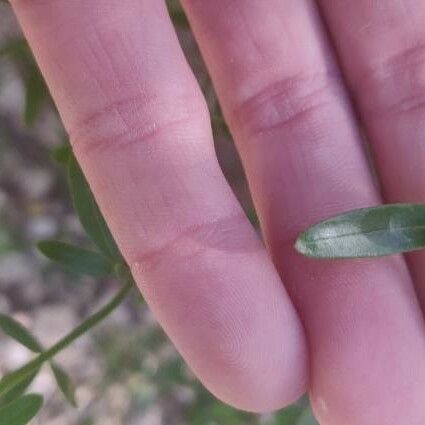
- 🍃 The Foliage: Look for small, glossy, dark-green leaves arranged in groups of three (trifoliate). They stay on the plant year-round in milder climates, giving it a lush, evergreen appearance.
- 🌿 The Form: It is a mounding, arching shrub rather than a twining vine. It typically grows about 3 to 5 feet tall and wide, with stiff, green stems that look attractive even in winter.
🏡 In Your Garden
- ☀️ Sun Seeker: This plant is a true Mediterranean soul; it thrives in full sun and thrives on neglect. It is exceptionally drought-tolerant once its root system is established, making it perfect for rock gardens or slopes.
- ✂️ Low Maintenance: Because it doesn't climb, you won't need a trellis. It works beautifully as a low hedge or ground cover. It is far less "aggressive" than other jasmine varieties, staying neatly where you plant it.
- 🪴 Soil Preference: It isn't picky about soil quality but absolutely demands good drainage. It hates "wet feet," which can lead to root rot in heavy clay soils.
⚠️ Safety & Toxicity
- 🐾 Status: Mildly toxic.
- 👄 Details: While not as dangerous as "Carolina Jasmine" (which is a different genus), the berries and leaves of Wild Jasmine should not be consumed. Ingestion can lead to upset stomachs in pets and children. Some gardeners with sensitive skin may also experience mild irritation from the sap when pruning.
✨ Fun Fact
Jasminum fruticans holds the title of being the only jasmine species native to Europe! While most members of the Jasminum family hail from the tropical regions of Asia and Africa, this hardy shrub adapted to the dry, limestone-rich soils of the Mediterranean basin.

Detailed Care Instructions
| Humidity | Normal |
| Lighting | Full Sun |
| Difficulty | Easy |
| Hibernation | Cold Period |
| Temperature | 18°C - 28°C |
| Hardiness Zones | 9 - 11 |
To grow Jasminum Fruticans, also known as the Canary Island jasmine, you can follow these steps:
- Climate and location: Ensure that your area has a Mediterranean or subtropical climate, as Jasminum Fruticans thrives in these conditions. It requires full or partial sun exposure and prefers well-draining soil.
- Soil preparation: Before planting, prepare the soil by removing any weeds or roots. Loosen the soil and amend it with organic matter or compost to improve drainage and fertility.
- Planting: Dig a hole twice as wide and deep as the root ball of the plant. Place the plant in the hole, ensuring that the top of the root ball is level with the ground surface. Backfill the hole with soil and firm it gently around the plant. Water thoroughly after planting to settle the soil.
- Watering: Water the plant regularly, especially during the growing season. Keep the soil consistently moist but avoid overwatering, as soggy soil can lead to root rot. Reduce watering during winter months.
- Mulching: Apply a layer of organic mulch around the plant, such as wood chips or compost. Mulching helps to retain soil moisture, suppress weeds, and maintain optimal soil temperature.
- Pruning: Prune the Jasminum Fruticans plant annually to shape it and remove any dead, damaged, or overgrown branches. Pruning should be done after it finishes blooming in late spring or early summer.
- Fertilizing: Feed the plant with a balanced slow-release fertilizer in spring to promote healthy growth. Follow the instructions on the fertilizer packaging for proper application rates.
- Pests and diseases: Monitor the plant for pests like aphids or whiteflies. If you notice any infestation, treat the affected plant parts with a mild insecticidal soap or neem oil solution. Maintain good air circulation around the plant to reduce the risk of fungal diseases.
By following these steps and providing the necessary care, you can successfully grow Jasminum Fruticans and enjoy its beautiful flowers and fragrance.
Jasminum Fruticans plant needs to be watered regularly to keep its soil moist. However, care must be taken to avoid overwatering the plant, as it can lead to waterlogging and root rot. To water the plant, use a watering can and gently pour water on the soil, ensuring that the water reaches the root zone. The plant should be watered once or twice a week, depending on the humidity and temperature levels in the environment. The frequency of watering should be reduced during the winter months when the plant is in its dormant phase. It is also advisable to water the plant in the morning or evening, when the temperature is cooler, to prevent moisture loss through evaporation.
For best results, fertilize this plant from early spring to late summer using a high-nitrogen fertilizer every 3 to 4 weeks. Be sure to follow the package instructions for the specific fertilizer you use, as the amount and frequency of application may vary. Avoid fertilizing during the fall and winter months when the plant is dormant. Water the plant thoroughly after each fertilization to ensure proper absorption of nutrients.
Jasminum Fruticans is a type of plant that requires a specific type of soil to thrive. The soil should be well-draining and have a neutral to slightly acidic pH level. It is important to choose soil that is rich in organic matter and has good air circulation. The soil should also be moist but not waterlogged. It is recommended to mix compost or peat moss with the soil to improve its nutrient content and drainage. Avoid using soil that is contaminated with chemicals or has previously been used for growing plants susceptible to soil-borne diseases. Overall, providing the proper soil conditions is essential for ensuring the health and growth of Jasminum Fruticans.
There are a few methods for propagating this plant. One way is to take semi-ripe cuttings in the summer months. Select a healthy stem that is not too woody and is still flexible. Cut a stem that is around 4-6 inches long and remove any leaves from the bottom half. Dip the cut end in rooting hormone and plant it in a well-draining soil mix. Keep the soil moist and place the cutting in a warm, bright location. It should root within a few weeks.
Another method is to layer the plant. Find a low branch and gently bend it to the ground. Scratch the bark where it will touch the soil and then bury the stem in soil. Secure the stem to the ground with a small stake or rock. Roots should form within a few months. Cut the new plant from the mother plant and transplant it to a new location.
Finally, the plant can also be propagated by dividing an established plant. Use a sharp knife or shovel to carefully separate the roots and replant in a new location.








