Plant Overview
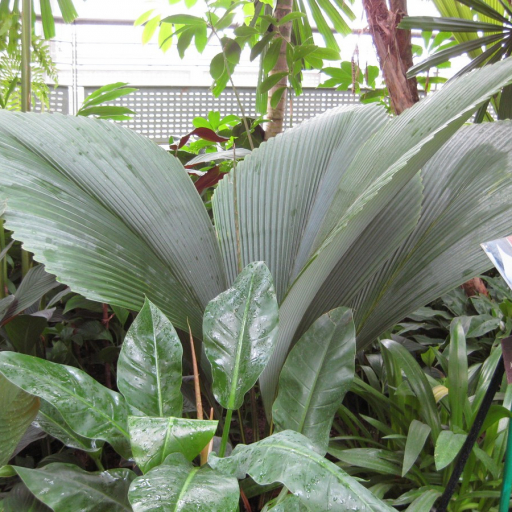
Often hailed as the "Holy Grail" of the palm world, the Johannesteijsmannia magnifica—commonly known as the Silver Joey Palm—looks more like a piece of high-end architectural art than a living plant. Native to the deep, humid rainforests of Malaysia, its massive, undivided leaves rise directly from the ground in a spectacular diamond shape. It carries an aura of ancient mystery, as if it belongs in a prehistoric landscape.
🔍 How to Identify
- 💎 The Leaves: Giant, pleated, diamond-shaped fronds that can reach up to 10 feet in length. Unlike most palms, these leaves are undivided, creating a solid, leathery wall of greenery.
- 🥈 The "Magnifica" Sheen: The underside of each leaf is coated in a stunning, silvery-white bloom. This gives the plant a metallic glow when the wind catches it, contrasting beautifully with the deep green upper surface.
- 🌱 Growth Habit: This is a "trunkless" palm. The stem remains mostly underground or very short, meaning the giant fans appear to emerge directly from the soil.
🏡 In Your Garden
- ☁️ Humidity is Life: Coming from the rainforest understory, this plant breathes moisture. It struggles in dry indoor air, requiring a dedicated humidifier or a sheltered, misty tropical spot to prevent the magnificent leaf tips from browning.
- ☂️ Shade Seekers: Because it lives under the canopy in the wild, direct sunlight will scorch those massive leaves almost instantly. It thrives in deep to dappled shade where it can stay cool and protected.
- 🚫 Root Sensitivity: The Joey Palm is notoriously sensitive to root disturbance. It develops a deep taproot early on, and any damage during transplanting can be fatal. If you plant it, choose its "forever home" carefully to avoid moving it later.
⚠️ Safety & Toxicity
- ✅ Safe Status: Good news for pet owners and parents! The Silver Joey Palm is non-toxic to cats, dogs, and humans.
- ⚔️ Physical Hazard: While not poisonous, the leaf edges are quite rigid and can be sharp. It’s best to place it away from narrow walkways where the "diamonds" might accidentally poke or scratch passersby.
✨ Fun Fact
The genus is named after Johannes Elias Teijsmann, a 19th-century Dutch botanist. Because these palms grow incredibly slowly and the seeds are difficult to germinate, a large, mature specimen is considered a true status symbol among rare plant collectors, often fetching thousands of dollars.

Detailed Care Instructions
To grow Johannesteijsmannia Magnifica, also known as the Angolan Palmyra Palm, follow these steps:
- Climate requirements: This plant thrives in tropical or subtropical climates with plenty of warmth and humidity. It prefers temperatures between 68-86°F (20-30°C) and high humidity levels.
- Light: Provide your Johannesteijsmannia Magnifica with bright, indirect sunlight. It can tolerate some morning or evening direct sunlight, but avoid harsh midday sun as it may burn the leaves.
- Soil: Use well-draining soil that is rich in organic matter. A mixture of peat moss, sand, and perlite generally works well. This plant prefers mildly acidic to neutral soil.
- Watering: Keep the soil consistently moist but not waterlogged. Water the plant when the top inch of soil feels dry. Adjust the watering schedule based on the climate and humidity levels. A lack of water can cause the leaves to dry out.
- Fertilizer: Feed the palm plant with a balanced, slow-release fertilizer during the growing season (spring and summer). Follow the instructions provided on the fertilizer packaging for the correct dosage and frequency.
- Repotting: Repot the Johannesteijsmannia Magnifica when it outgrows its current pot. Choose a container that is 2-4 inches larger than the previous one. Repotting every 2-3 years can help promote healthy growth.
- Pruning: Remove any yellow or dead leaves to maintain the plant's appearance and health. Trim away brown or damaged fronds but be careful not to remove too many as it may stress the plant.
- Pests and diseases: Watch out for common palm pests such as spider mites, mealybugs, and scale insects. Regularly inspect the plant and treat any infestations promptly. Keeping the plant in a clean and well-ventilated environment can help prevent pest issues.
- Propagation: Johannesteijsmannia Magnifica is typically propagated through seeds. Collect mature seeds and plant them in a pot filled with a well-draining soil mix. Keep the soil consistently moist and provide warmth and indirect light. Germination may take several months.
- Patience: Growing a Johannesteijsmannia Magnifica can be a slow process. It may take several years for the plant to reach its full potential, so patience is key.
Remember to research and adapt these guidelines to suit your specific location and growing conditions.
Johannesteijsmannia Magnifica is a tropical plant that requires a consistent and appropriate watering routine to thrive. Here are some tips on how to water this plant effectively:
- Soil moisture: Check the moisture level of the soil regularly by inserting your finger into the soil to a depth of about 1-2 inches. If the soil feels dry at this depth, it's time to water the plant.
- Water quality: Use clean, room temperature water for watering Johannesteijsmannia Magnifica. Avoid using cold or excessively hot water as it can shock the plant.
- Watering frequency: The watering frequency depends on various factors such as the size of the plant, the size of the container, and the environmental conditions. Generally, this plant prefers consistently moist soil, but not waterlogged. Water it when the top inch of soil feels dry, typically every 7-10 days.
- Water quantity: When watering, aim to moisten the soil thoroughly. Water until it drains out from the pot's bottom drainage holes. This ensures that the roots receive enough moisture and excess water does not accumulate, which can cause root rot.
- Drainage: Adequate drainage is essential for Johannesteijsmannia Magnifica. Ensure that the pot or container has proper drainage holes to allow excess water to escape. This prevents the roots from sitting in stagnant water, which can lead to root rot and other diseases.
- Humidity: This plant thrives in high humidity environments. To increase humidity levels, you can use a humidifier, place a tray filled with water near the plant, or mist the leaves daily with water. Maintaining higher humidity levels will reduce the need for frequent watering.
- Leaf condition: Observe the condition of the plant's leaves as they can indicate whether the plant needs more or less water. If the leaves appear droopy, it may indicate underwatering, while yellowing or browning leaves can be a sign of overwatering.
- Seasonal adjustments: Adjust your watering routine according to the seasons. During hot summer months, the plant may require more frequent watering, while in cooler months, the watering frequency can be reduced.
Remember, it is crucial to monitor the specific needs of Johannesteijsmannia Magnifica, as different growing conditions may require slight adjustments to the watering routine.
- Choose a well-draining potting mix specifically formulated for palms or tropical plants.
- Select a location with bright but indirect sunlight for your Johannesteijsmannia Magnifica plant. It can tolerate some shade, but direct sunlight should be avoided.
- Water the plant regularly, keeping the soil consistently moist but not soggy. Avoid letting the soil dry out completely between waterings.
- Fertilize your Johannesteijsmannia Magnifica plant with a balanced palm fertilizer. Choose a slow-release formula for long-lasting nutrition.
- Follow the fertilizer packaging instructions for proper dilution and application rates based on the size of your plant.
- Apply the fertilizer during the plant's active growing season, typically spring and summer. Reduce or halt fertilization during the plant's resting period in fall and winter.
- Distribute the fertilizer evenly on the soil surface around the base of the plant, taking care not to let it touch the crown or foliage.
- Water the plant thoroughly after applying the fertilizer to distribute it into the root zone.
- Monitor the plant for any signs of nutrient deficiencies or excesses. Common signs of nutrient deficiency include yellowing or browning of leaves. If observed, adjust the fertilizer application accordingly.
- Wipe the leaves gently with a damp cloth or sponge occasionally to remove dust and keep them clean, promoting better nutrient absorption.
Remember, fertilizing is just one aspect of caring for your Johannesteijsmannia Magnifica plant. Providing suitable environmental conditions, proper watering, and regular check-ups will contribute to overall plant health and growth.
Johannesteijsmannia magnifica, also known by its common names, requires a specific soil composition to thrive. Here are the details:
The ideal soil for Johannesteijsmannia magnifica should be well-draining to prevent waterlogging and allow roots to breathe. It should retain moisture adequately without becoming waterlogged or overly dry.
The soil should be rich in organic matter to provide essential nutrients to the plant. This can be achieved by adding compost, well-rotted manure, or leaf mold to the soil. The organic matter also improves soil structure and enhances water retention.
A slightly acidic to neutral soil pH of around 6.0 to 7.5 is suitable for Johannesteijsmannia magnifica. Testing the soil pH and adjusting it if necessary can help create optimal growing conditions.
The soil texture should be loamy or sandy, allowing for good drainage. A loose soil texture facilitates root development and prevents root rot.
It is important to avoid heavy clay soils, as they tend to retain excessive amounts of water and can suffocate the plant's roots.
Furthermore, incorporating perlite or sand into the soil mixture can help improve drainage and root aeration.
Overall, creating a well-draining, organically enriched soil with a slightly acidic to neutral pH is crucial for the healthy growth and development of Johannesteijsmannia magnifica.
Propagation of Johannesteijsmannia Magnifica plant can be achieved through various methods such as seed propagation, division, or using offshoots.
- Seed Propagation:
- Collect ripe, fresh seeds from the plant, preferably from a female tree as it produces viable seeds.
- Remove the outer fleshy layer from the fruits and extract the seeds carefully.
- Fill a pot with a well-draining soil mix, ensuring it is rich in organic matter.
- Sow the seeds evenly on the soil surface and cover them lightly with a thin layer of soil.
- Moisten the soil gently using a spray bottle. Be careful not to overwater.
- Place the pot in a warm and bright location, but away from direct sunlight.
- Maintain consistent moisture levels by misting regularly.
- Germination typically takes several weeks to a few months.
- Once the seedlings grow to a suitable size, they can be transplanted into individual containers or a suitable planting location.
- Division:
- Mature Johannesteijsmannia Magnifica plants develop multiple stems or trunks that arise from a basal point.
- Choose a healthy plant with multiple shoots or trunks.
- Carefully dig around the base of the plant to expose the root system.
- Gently separate the multiple stems, ensuring that each division has well-developed roots.
- Transplant the divided sections into individual containers or planting locations.
- Water the newly divided plants adequately and ensure they receive appropriate care to promote healthy growth.
- Offshoots:
- Johannesteijsmannia Magnifica plants often produce offshoots that arise from the base of the mother plant.
- Identify a well-established offshoot that has developed sufficient roots.
- Dig around the base of the offshoot to carefully separate it from the main plant.
- Transplant the offshoot into a suitable container or planting location, ensuring it has adequate space to grow.
- Water the newly separated offshoot regularly and provide appropriate care to ensure successful establishment.
It is recommended to propagate Johannesteijsmannia Magnifica plants during spring or early summer when they are actively growing. Additionally, ensuring proper care, including suitable moisture levels, temperature, and light conditions, will aid in successful propagation.








