Plant Overview
Known as the Southern Walnut or Nogal Criollo, Juglans australis is the majestic patriarch of the Andean cloud forests. Unlike its common supermarket cousins, this tree is a slow-growing titan, prized for its exceptionally dark, chocolate-colored wood. In its native habitat, it stands as a symbol of the lush South American "Yungas" ecosystem, often reaching heights that dwarf surrounding vegetation.
🔍 How to Identify
- 🌿 Compound Leaves: It features long, pinnate leaves consisting of 11 to 20 serrated leaflets that grow in opposite pairs along a central stem.
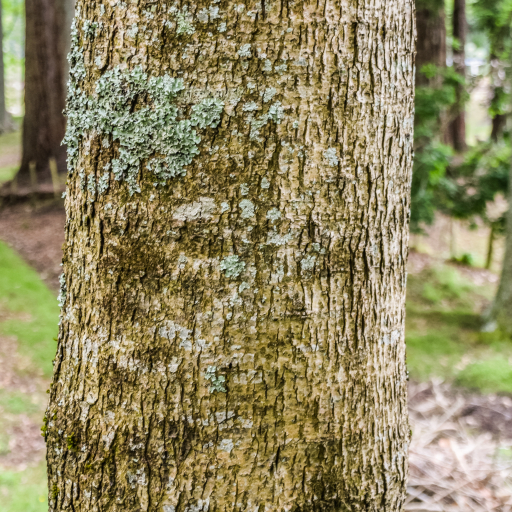
- 🧥 Rugged Bark: As the tree matures, its grey-brown bark develops deep, vertical furrows and a rough, corky texture that is unmistakable in the forest.
- 🌰 Fleshy Fruit: It produces round, lime-green husks about the size of a golf ball. These husks hide a hard-shelled, edible nut inside that darkens significantly as it ripens.
🏡 In Your Garden
- 🌳 Space Requirements: This is not a "pot plant" or a small backyard tree. It requires massive vertical and horizontal space, making it a "legacy tree" intended for large estates, parks, or reforestation projects.
- 🧪 Chemical Warfare: Like most walnuts, it produces juglone, a natural herbicide released from its roots and fallen leaves. This "allelopathy" prevents many other plants—especially tomatoes, potatoes, and azaleas—from growing within its root zone.
- ⚓ The Taproot Factor: It develops a deep, stubborn taproot early in life. While this makes the tree incredibly drought-resistant once established, it also means it hates being moved. Once planted, it should never be transplanted.
⚠️ Safety & Toxicity
- 🧤 Skin Staining: The green husks contain potent natural dyes and tannins. Handling them with bare hands will leave your skin stained a dark brown or black for several days.
- 🐕 Pet Safety: While the nut meat is generally safe, moldy walnuts that have fallen and rotted on the ground can develop "tremorgenic mycotoxins," which are highly toxic to dogs if ingested.
- 🐎 Equine Warning: If you have horses, keep them away from this tree. Contact with walnut sawdust or even standing in walnut shavings can cause laminitis (painful hoof inflammation) in horses.
✨ Fun Fact
Because of its incredible density and stunning dark grain, the wood of the Southern Walnut is a world-class "tonewood." It is a favorite among master luthiers for crafting high-end acoustic guitars and violins!

Detailed Care Instructions








