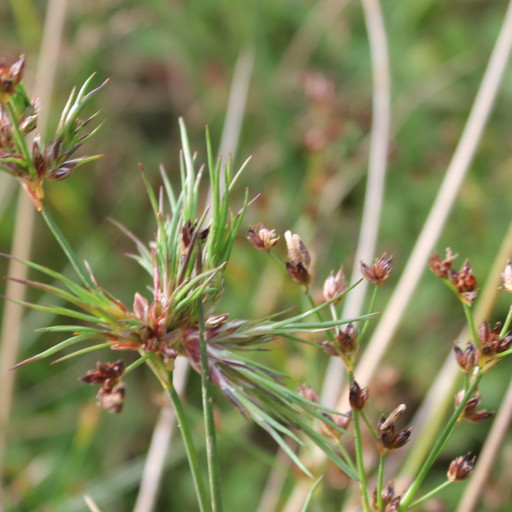
Plant Overview
Often called the "Chameleon of the Marsh," the Bulbous Rush is a master of adaptation found throughout Europe and parts of North Africa. Whether it is living submerged in a deep lake or perched on a muddy riverbank, this hardy perennial changes its physical shape to survive the environment. Its common name stems from the distinctive, onion-like swelling at the very base of its stems, a unique feature among its rush cousins.
🔍 How to Identify
- 🌿 The "Bulb" Base: The most defining feature is the swollen, bulbous base of the stems, which feels firm and serves as a nutrient storage organ.
- 🎋 Variable Foliage: On land, the leaves are stiff and grass-like; however, when submerged, they become delicate, hair-like threads that sway with the current.
- 🌸 Starry Clusters: It produces small, brownish-green flower heads that appear in loose, irregular clusters at the tips of the stems during the summer months.
🏡 In Your Garden
- 💧 Wetland Specialist: This plant is an elite choice for the "marginal" zone of a backyard pond or a bog garden. It thrives in shallow water or consistently soggy soil where most other plants would suffer from root rot.
- 🌱 Acid Lover: Unlike many garden plants that crave lime, the Bulbous Rush actually prefers acidic, nutrient-poor conditions, making it perfect for naturalizing damp, peaty areas of your yard.
⚠️ Safety & Toxicity
- ✅ Non-Toxic: Juncus bulbosus is generally considered safe and non-toxic for humans, cats, and dogs.
- 🐾 Wildlife Haven: While it isn't a primary food source, its dense, tufted growth provides an essential hiding spot for tadpoles, small fish, and beneficial aquatic insects.
✨ Fun Fact
The Bulbous Rush is a "morphological shape-shifter." If a pond floods, the plant can stretch its stems up to three feet long to reach the surface, but if the pond dries up, it will shrink down into a tiny, tufted mound just a few inches high to conserve moisture!

Detailed Care Instructions
Growing Juncus bulbosus, also known as bulbous rush, involves a few essential steps to mimic its natural wetland habitat. Here’s a straightforward guide to help you grow this plant:
Choosing the Right Location
- Water Source: Juncus bulbosus thrives in wet conditions, often found in bogs, marshes, and along the edges of ponds and streams. Make sure the location has consistent moisture, or consider planting it in a water garden.
- Sunlight: This plant prefers full sun to partial shade. Ensure the location receives at least 4-6 hours of direct sunlight daily.
Soil Preparation
- Soil Type: Juncus bulbosus prefers nutrient-poor, acidic soils that are consistently wet. A mix of peat, sand, and compost can help create a suitable substrate.
- Moisture: Maintain high soil moisture levels. The soil should never dry out completely. If you're planting in a garden bed, consider adding a liner or using a container to retain water.
Planting
- Propagation: Juncus bulbosus can be propagated by seeds or division.
- Seeds: Sow seeds in a tray filled with a moist peat-based mix. Press seeds lightly into the surface but do not cover them, as they need light to germinate.
- Division: Divide existing clumps of the plant during the spring or early summer. Simply separate a clump, ensuring each division has roots attached, and plant it in the desired location.
- Seeds: Sow seeds in a tray filled with a moist peat-based mix. Press seeds lightly into the surface but do not cover them, as they need light to germinate.
- Spacing: If planting multiple specimens, space them about 6-10 inches apart to allow for growth and spread.
Watering
- Consistency: Keep the soil consistently saturated. If planting in a container, ensure there is a water reservoir to maintain moisture.
- Overflow: Ensure good drainage to prevent stagnation, which can cause root rot.
Maintenance
- Pruning: Juncus bulbosus typically requires minimal pruning. Trim back any dead or damaged foliage to encourage healthy growth.
- Weed Control: Keep the area around the plant free of weeds, which can compete for nutrients and space.
- Fertilizing: Generally, fertilizing is not necessary if the soil is nutrient-poor, mimicking its natural habitat. Excessive nutrients can lead to overgrowth and potentially harm the plant.
Monitoring and Adjustments
- Pests and Diseases: Monitor for pests like aphids and treat them accordingly. Diseases are rare if the plant is kept in appropriate conditions.
- Seasonal Care: As a hardy plant, Juncus bulbosus can tolerate mild frost but may need protection or indoor transfer in extremely cold climates.
By mimicking the plant's natural conditions as closely as possible—maintaining high moisture levels, acidic soil, and appropriate sunlight—you can successfully grow Juncus bulbosus in your garden or water feature.

Place in a bright room that is sun drenched almost all day. Or directly in a south-facing window.

To properly water this plant, it is important to take into consideration the type of soil it is planted in and the environmental conditions it is exposed to. Juncus Bulbosus typically prefers moist or wet soils and can withstand periods of flooding. When watering, it is important to water thoroughly, making sure the water reaches the roots, and to avoid overwatering as this can lead to root rot. If planted in a container, make sure it has adequate drainage to prevent standing water. Consider using a watering can or hose attachment that allows for gentle and even watering. Regularly monitor the soil moisture levels and adjust watering frequency accordingly.
Here are fertilizing instructions for Juncus bulbosus:
- Timing: Apply a balanced, slow-release fertilizer in early spring when growth begins. This will provide essential nutrients throughout the growing season.
- Type of Fertilizer: Use a fertilizer with an N-P-K ratio of 10-10-10 or 14-14-14. These balanced formulations ensure that the plant receives an equal amount of nitrogen, phosphorus, and potassium.
- Application Rate: Follow the manufacturer’s instructions on the packaging for the specific rate of application. Generally, one tablespoon of slow-release fertilizer per square foot of planting area is sufficient.
- Method: Distribute the fertilizer evenly around the base of the plant, being careful not to apply it directly on the stems. Gently work the fertilizer into the top inch of soil to help it penetrate the root zone.
- Watering: After applying the fertilizer, water the area thoroughly to help dissolve the nutrients and ensure they reach the root zone.
- Frequency: A single application in early spring may be sufficient for the entire growing season. However, if the plant shows signs of nutrient deficiency (such as yellowing leaves or stunted growth), a light mid-season application may be beneficial.
- Organic Alternatives: If you prefer organic options, you can use compost or well-rotted manure. Apply a layer of about one inch around the base of the plant in early spring and lightly mix it into the soil.
- Monitoring: Regularly monitor the plant's growth and overall health. Adjust fertilization practices if you observe any signs of over-fertilization, such as burnt leaf tips or excessive growth that may indicate an imbalance of nutrients.
By following these guidelines, you can help ensure that your Juncus bulbosus receives the nutrients it needs to thrive throughout the growing season.
Juncus Bulbosus plant prefers well-draining soil that is rich in organic matter. The soil should be moist but not waterlogged, and it should have a pH of 6.0 to 7.5. The ideal soil type for this plant is a sandy loam or loamy soil. It is important to avoid heavy, compacted soils as they can lead to root rot and poor growth. Additionally, Juncus Bulbosus tolerates salt, so it can grow well in saline soils. It is recommended to plant this species in fertile and well-draining soil, with a preference for moist or wet environments.
Propagating Juncus bulbosus involves several key steps to ensure the successful growth of new plants. Here's a detailed guide on how to propagate it:
1. Division Method
One of the most effective ways to propagate this species is through division. This method involves separating the plant into multiple sections, each containing roots and shoots, then planting them separately.
Steps:
- Timing: The best time to divide the plant is during its dormant period, typically in early spring or late autumn.
- Prepare Tools: Use a sharp, clean knife or spade to minimize damage to the plant.
- Uproot the Plant: Carefully dig up the clump to avoid damaging the roots.
- Divide the Clump: Gently separate the clump into smaller sections. Ensure each section has a portion of the rhizome and some roots attached.
- Replanting: Plant each section in a suitable location, ideally in moist, well-drained soil. Water them thoroughly after planting to help establish the roots.
2. Seed Propagation
Growing the plant from seeds is another way to propagate it, although this method is slower compared to division.
Steps:
- Collecting Seeds: Harvest seeds from mature plants when the seed heads have dried and turned brown.
- Preparing the Soil: Use a seed tray filled with a mix of sand and peat moss or any well-draining seed-starting mix.
- Sowing Seeds: Scatter the seeds evenly over the surface of the soil. Lightly press them down, ensuring good contact with the soil, but do not bury them too deep.
- Watering: Mist the soil lightly to keep it consistently moist. Avoid waterlogging, which can cause the seeds to rot.
- Germination: Place the tray in a location with indirect sunlight. Maintain a steady temperature and humidity to encourage germination, which can take several weeks.
- Transplanting: Once seedlings are large enough to handle and have developed a couple of sets of true leaves, transplant them into individual pots or directly into the garden.
3. Environmental Conditions
Regardless of the propagation method, consider the following environmental conditions for optimal growth:
- Soil: Prefers moist, well-drained soils but is fairly adaptable to various soil types.
- Light: Thrives in full sun to partial shade.
- Watering: Keep the soil consistently moist, especially during the establishment phase.
- Spacing: Ensure enough spacing between plants to allow for growth and air circulation.
4. Aftercare
Proper aftercare is critical for the young plants to thrive:
- Mulching: Add a layer of mulch around the plants to retain moisture and regulate soil temperature.
- Feeding: Apply a balanced, slow-release fertilizer during the growing season to provide essential nutrients.
- Pruning: Remove any dead or damaged foliage to maintain plant health and appearance.
By following these detailed steps, you can effectively propagate Juncus bulbosus and ensure healthy growth of the new plants.








